Serbia's Independent Media Under Siege as Freedom of Press Faces Dire Threat
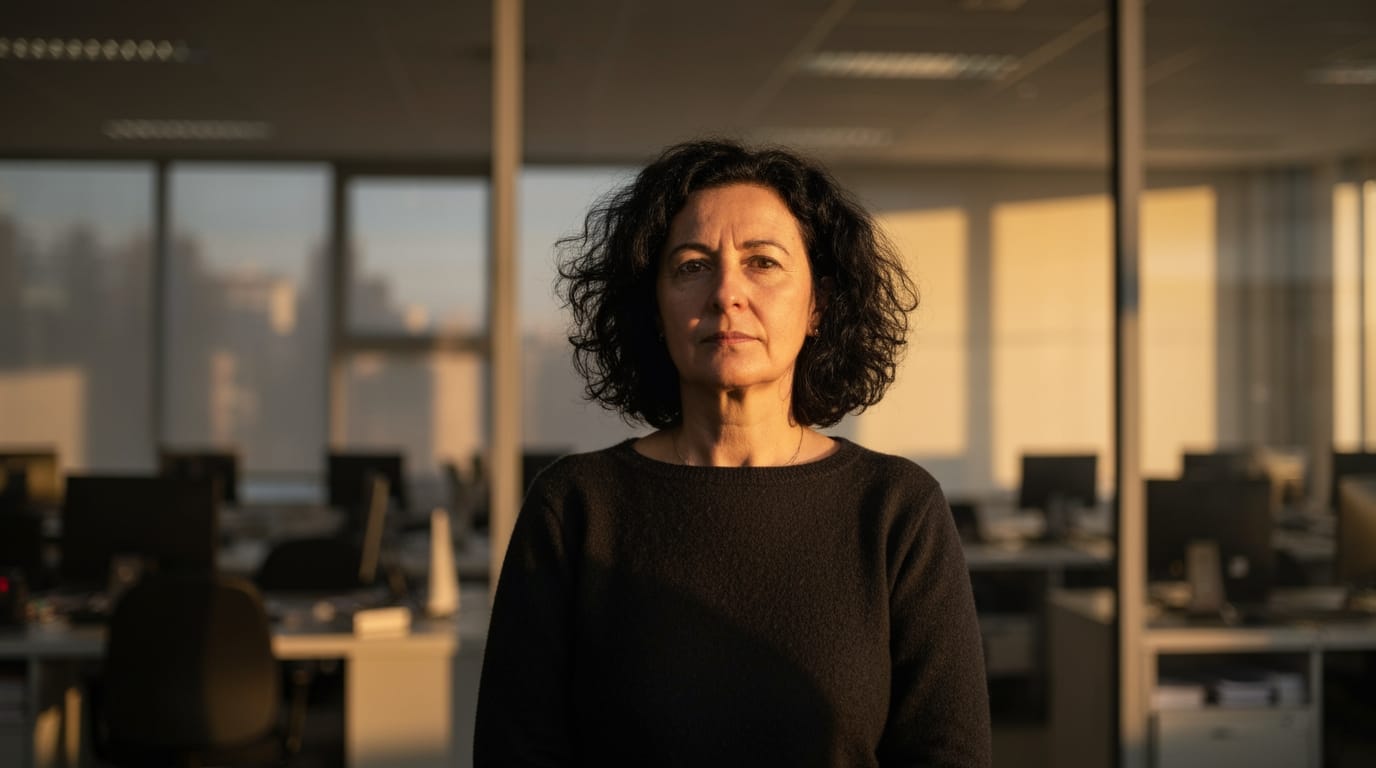
Belgrade, Serbia – A pervasive and intensifying campaign of pressure on independent media outlets in Serbia has sparked alarm among journalists, civil society groups, and international observers, raising fears for the future of press freedom and democratic accountability in the Balkan nation. Reports indicate a "state of emergency" for media freedom, with critical voices facing a multi-pronged assault that includes physical attacks, vexatious lawsuits, financial strangulation, and relentless smear campaigns. This escalating environment threatens to silence the last remaining bastions of independent journalism, leaving citizens with a diminished capacity to access unbiased information and hold power accountable.
The Alarming Erosion of Media Freedom
Serbia's media landscape has seen a significant and sustained deterioration over recent years, a trend that has drawn widespread condemnation from international bodies. The country's ranking in global press freedom indices has consistently declined, with Reporters Without Borders noting a sharp drop of 24 places between 2017 and 2020. Freedom House classifies Serbia as "partly free," highlighting the increased government control and political pressure on journalists. Experts and media associations alike describe the situation as the worst in recent history, characterized by an increase in fake news, polarized media, and overt editorial pressure. This dire assessment has been amplified by recent events, including increased pressure following reporting on the deadly collapse of a Novi Sad canopy railway, which has been described as a "dangerous turning point" for press freedom.
A solidarity mission by the Media Freedom Rapid Response (MFRR) to Belgrade and Novi Sad in April 2025 concluded that free and independent journalism in Serbia is facing a "state of emergency," demanding urgent attention from national authorities and the European Union. The report emphasized that media workers operate in a hostile environment where perpetrators, including state authorities and government officials, often act with impunity.
Multi-faceted Pressure Tactics
The challenges faced by independent media in Serbia are diverse and systematic, ranging from overt violence to subtle, yet effective, forms of control. Journalists routinely confront threats to their physical safety, including harassment, verbal abuse, and physical attacks. The Independent Journalists' Association of Serbia (IJAS) documented 137 violations against journalists in 2022, including verbal threats, physical attacks, and pressure attempts. Instances of death threats and physical assaults have reportedly reached unprecedented levels, particularly amidst anti-government protests, with journalists covering these events often targeted by government supporters and even police, who are sometimes accused of failing to intervene.
Beyond direct violence, independent media outlets are increasingly burdened by Strategic Lawsuits Against Public Participation (SLAPPs). Investigative platforms, such as KRIK, face an "avalanche of vexatious lawsuits," forcing them to divert significant time and financial resources to legal defense. While some of these lawsuits have been dismissed, Serbia remains one of the worst countries in Europe for SLAPPs, with a rising number of cases primarily initiated by public officials, politicians, and businesspeople.
Financial pressure serves as another critical tool in undermining independent reporting. State advertising and direct subsidies are frequently allocated in an arbitrary and non-transparent manner, largely benefiting pro-government media outlets, even those that disregard journalistic ethics. Independent media also face scrutiny through constant financial and tax inspections, and companies are often dissuaded from advertising with non-government media. This economic strangulation, coupled with opaque media ownership structures where many outlets are controlled by entities close to the ruling party, creates an uneven playing field that systematically disadvantages independent journalism.
Furthermore, journalists critical of the government are often subjected to aggressive smear campaigns, frequently initiated by state authorities and public officials. These campaigns brand independent journalists as "foreign agents," "enemies of the state," "terrorists," or "anti-Serbs," fostering public distrust and normalizing hostility. This rhetoric, amplified by pro-government tabloids, can incite further threats and attacks from non-state actors. Digital violence and online attacks are also on the rise, adding another layer of intimidation.
The Targeted Outlets and the Government's Shadow
A significant portion of the pressure is concentrated on the few remaining independent voices, particularly those within the United Media group, which includes major television news channels like N1 and Nova TV, along with print and digital outlets such as Nova and Danas. These outlets are consistently singled out by government figures. President Aleksandar Vučić has reportedly labeled N1 as "doing pure terrorism" and has consistently portrayed independent media as opponents of the state.
Recent developments, such as a management overhaul at United Group's media outlets in early 2026, have intensified concerns that these leading independent voices could be subtly reshaped into more regime-friendly platforms. This move, following revelations by the Organized Crime and Corruption Reporting Project (OCCRP) and KRIK about alleged political interference, suggests a long-standing strategy to influence the editorial policies of key independent media. Despite assurances of editorial freedom by the new management, skepticism persists, particularly given the backgrounds of some new board members and Serbia's political and economic ties with their associated entities. These incidents highlight the precarious position of outlets striving to maintain editorial independence in a highly charged political environment.
A Chilling Effect and Public Impact
The relentless pressure on independent media creates a chilling effect, leading to widespread self-censorship among journalists. Surveys indicate that more than half of journalists in Serbia have, at some point, refrained from reporting on a topic due to pressure, with women journalists reporting even higher instances. This pervasive environment where critical journalism is viewed as an "unpatriotic threat" rather than a vital component of a healthy democracy undermines the very essence of public discourse.
The consequences extend far beyond the newsrooms. When independent media are suppressed, citizens are deprived of objective and unbiased information, making it difficult to form informed opinions and effectively participate in democratic processes. A highly concentrated and polarized media market, dominated by pro-government outlets, leaves critical voices marginalized and less influential, severely weakening public debate and accountability. The public service broadcaster, despite its role, often suffers from a lack of editorial independence and displays clear bias in its programming. This ultimately erodes public trust in the media sector as a whole and hinders democratic development.
International Calls for Action and an Uncertain Future
International organizations, including the International Federation of Journalists (IFJ), Reporters Without Borders (RSF), and the Council of Europe, have consistently called on Serbian authorities to address the deteriorating media freedom situation. These bodies emphasize that media freedom and pluralism are fundamental values, and crucial indicators for Serbia's readiness to join the European Union. The EU has requested Serbia improve and guarantee freedom of expression and the press, with some suggesting that negotiations on Chapter 23 (Judiciary and fundamental rights) of the EU accession process should be suspended until substantial reforms are made.
Despite these calls and occasional regulatory reforms by the Serbian government as part of the EU accession process, implementation often falls short, with the ruling party finding ways to maintain and even increase control over the media landscape. The persistent impunity for attacks on journalists, coupled with the systemic nature of pressure, paints a grim picture for the future of independent media in Serbia. Without genuine political will to safeguard journalistic integrity and protect media professionals, the critical voices essential for a functioning democracy face an increasingly precarious existence, leaving the Serbian public in an environment of diminishing independent information.


