Europe's Unstoppable Blazes: A Confluence of Climate, Land Use, and Human Factors Fuels Record Wildfires
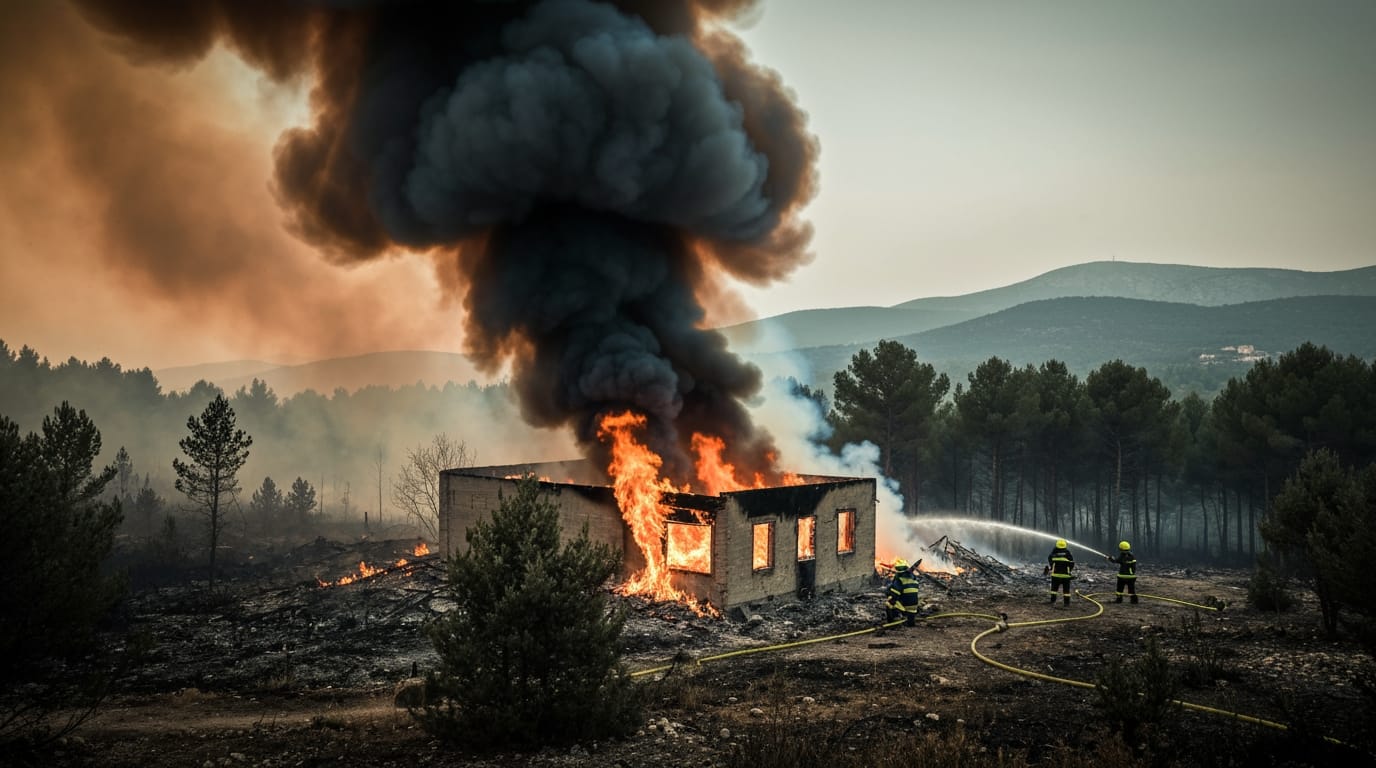
Wildfires across Europe are intensifying at an alarming rate, transforming landscapes, displacing communities, and posing an unprecedented challenge to firefighting efforts. This isn't merely an uptick in seasonal blazes; a dangerous synergy of human-caused climate change, evolving land management practices, and direct human activity is creating conditions where fires ignite more easily, spread with ferocious speed, and become exponentially harder to contain. From the scorching plains of Spain to the dense forests of France and Greece, regions traditionally accustomed to summer fires are now battling "megafires" of a scale and intensity rarely seen, demanding a fundamental re-evaluation of prevention and response strategies.
The New Reality: Larger, Fiercer, and More Frequent
Europe is currently experiencing a wildfire season that significantly surpasses historical averages in both scale and frequency. As of July 29, 2026, wildfires have scorched 434,976 hectares across the European Union, a figure that not only exceeds the area burned by the same date in 2025—a record-setting year—but also triples the long-term average over the last two decades. This devastation is the result of 1,407 detected fires, more than double the average. The traditional "fire season" in Mediterranean regions has notably extended, stretching from early spring into late autumn.
These are not the wildfires of the past. Experts and firefighters report a dramatic shift: modern fires behave more aggressively, spreading faster and burning hotter. Southern Europe, particularly Spain, Portugal, Greece, France, Italy, and Cyprus, has been the epicenter for what are increasingly termed "megafires"—blazes exceeding 10,000 hectares that exhibit extreme behavior, including high intensity and rapid spread. The sheer ferocity of these infernos has led experienced firefighters to describe them as unlike anything they have encountered in decades.
Climate Change: The Overriding Catalyst
At the heart of Europe's escalating wildfire crisis is human-caused climate change. Scientific analyses unequivocally link global warming to the extreme fire weather conditions now prevalent across the continent. Studies indicate that human-induced climate change made the hot and dry conditions responsible for Spain's record-sized inferno at least 20 times more likely, and doubled the chances of extreme fire conditions for blazes in France. This trend suggests an emerging change in regional fire dynamics, leading to increased impacts.
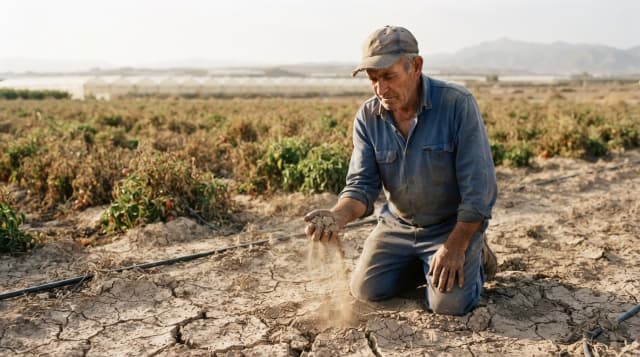
Rising temperatures, prolonged droughts, and successive heatwaves create a landscape ripe for ignition and rapid fire spread. A phenomenon known as "weather whiplash" further exacerbates the situation: unusually wet winters and springs foster abundant vegetation growth, which then dries out rapidly under intense summer heat and drought, transforming into vast fuel loads. The atmosphere, warming due to climate change, becomes "spongier and thirstier," absorbing more moisture from the land and retaining it for longer periods. This leads to less frequent but more intense rainfall events, further contributing to extended dry spells.
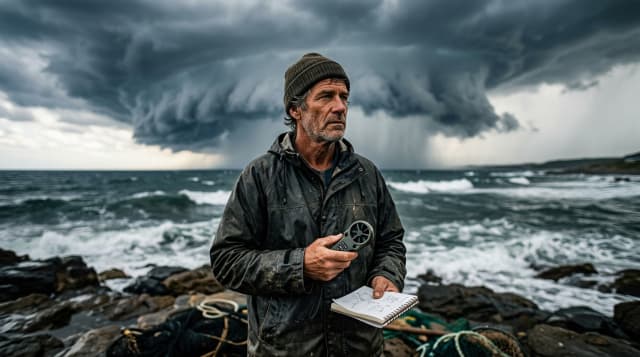
The intensity of these fires can also generate their own weather systems. Rare pyrocumulonimbus clouds, or "fire clouds," are forming over large blazes, particularly in France. These fire-generated thunderstorms create an updraft of superheated, fast-rising air, capable of spitting lightning bolts and carrying embers miles ahead, sparking new fires and making existing ones even more unpredictable and dangerous.
Land Management and Human Factors: Fueling the Flames
While climate change sets the stage, human activities remain the primary ignition source for most wildfires. An estimated 90% to 95% of fires are triggered by human action, whether accidental or deliberate. However, changes in land management have significantly altered the landscape's vulnerability to these ignitions.
Rural depopulation and the abandonment of traditional agricultural practices are critical contributing factors. As populations migrate from rural to urban areas, agricultural lands are left untended, and forests receive less human intervention. This leads to an accumulation of dry vegetation and scrubland, creating a continuous and highly flammable fuel load. The decline in traditional grazing, particularly by sheep, which historically helped clear undergrowth, further exacerbates this problem.
Furthermore, urban sprawl and the expansion of residential areas into wildland-urban interfaces increase the risk of both ignition and damage. Certain forestry practices, such as monoculture plantations of fire-prone species like pine, also create less resilient landscapes compared to diverse, native forests. These homogenous timber plantations can be twice as flammable as natural forests. Coupled with accidental ignitions from discarded cigarettes, campfires, or machinery, and instances of deliberate arson, these factors transform vulnerable areas into tinderboxes.
The Mounting Challenges for Firefighting
The combination of extreme fire weather and increased fuel loads presents unprecedented challenges for firefighting agencies. The sheer scale and intensity of these blazes mean they often overwhelm initial suppression efforts, quickly evolving into catastrophic events. Fires generate their own strong, gusty winds, making their behavior erratic and difficult to predict.
The rugged terrain prevalent in many parts of Southern Europe, characterized by mountains and narrow valleys, restricts access for heavy ground equipment, forcing a heavy reliance on specialized aerial suppression. However, water bombers and helicopters face significant limitations; they cannot operate at night, are grounded by heavy smoke that reduces visibility, or by high winds that exceed safe flying limits. When aerial support is unavailable, ground crews are often forced into defensive postures, prioritizing evacuations and property protection rather than direct fire suppression, leaving remote areas to burn unchecked.
This scenario underscores a growing consensus among experts: a strategy focused solely on reactive firefighting is failing. There is an urgent call for a shift towards proactive prevention and integrated land management to reduce fuel loads and create more resilient landscapes.
A Call for Integrated Resilience
The escalating wildfire crisis in Europe demands a comprehensive and multi-faceted approach that integrates prevention, preparedness, response, and recovery. The complex interplay of climate change, land-use dynamics, and human actions necessitates moving beyond traditional emergency response.
Strategies must include nature-based solutions, such as restoring diverse forest ecosystems, rewetting peatlands, and promoting agroforestry. Replacing flammable monocultures with native, fire-resistant species and reintroducing managed grazing can help break up continuous fuel loads and create natural firebreaks. Prescribed burns, when carefully managed, can also reduce accumulated biomass, renewing soils and creating firefighting pathways.
The European Commission has launched a new strategy to tackle the rising wildfire threat, emphasizing an integrated approach. This includes expanding the rescEU firefighting fleet with additional planes and helicopters, developing advanced risk modeling tools, and fostering greater public awareness and community involvement in fire preparedness. While global efforts to mitigate climate change are paramount, strengthening local land management, fostering community resilience, and investing in preventative measures are crucial steps to building a more fire-resilient Europe. The future of Europe's forests and communities hinges on a collaborative and adaptive response to this growing challenge.