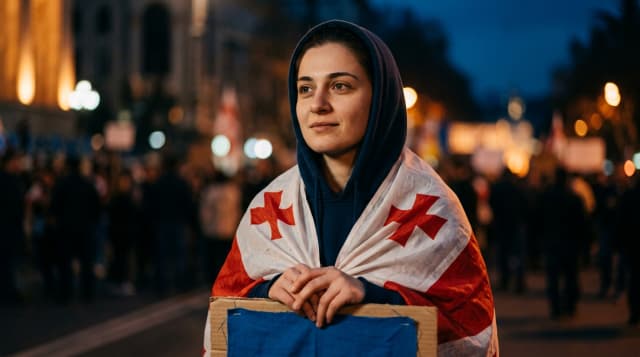
Eurovision 2026: A 70th Anniversary Marred by Geopolitical Fault Lines
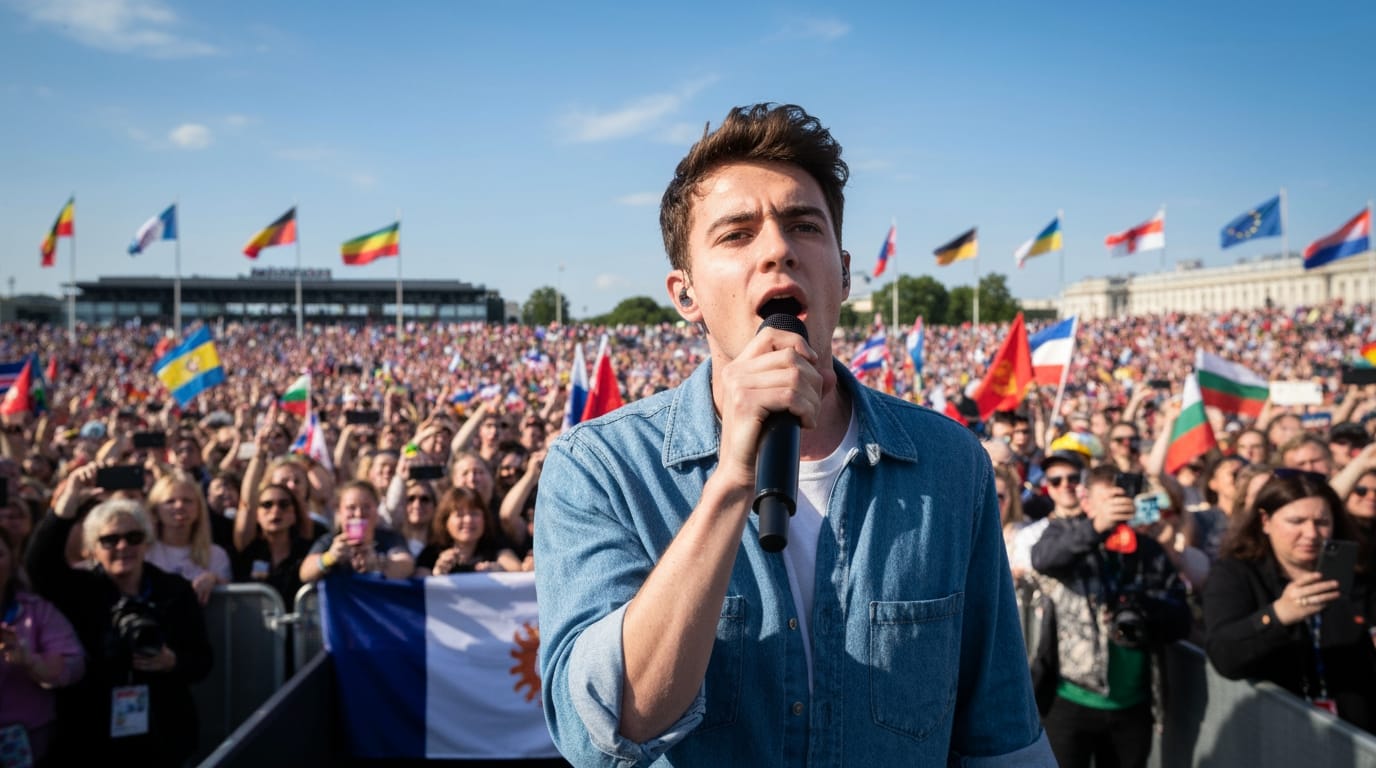
Vienna, Austria, stands ready to host the 70th edition of the Eurovision Song Contest this May, promising a spectacle of music, glitter, and unity. Yet, as the final preparations unfold for the grand event scheduled for May 16, 2026, at the Wiener Stadthalle, the contest finds itself deeply entangled in a geopolitical storm, with widespread boycotts and unprecedented rule changes casting a long shadow over its celebratory intent. Once a beacon of European solidarity, Eurovision 2026 is poised to become a flashpoint for international political tensions, challenging its long-held assertion of being a non-political cultural event.
The Gathering Storm in Vienna
The decision to hold the 2026 contest in Vienna came after Austrian artist JJ secured victory in the 2025 competition with his song "Wasted Love." However, the triumph and the subsequent hosting duties are now overshadowed by a contentious debate surrounding Israel's continued participation amidst the ongoing conflict in Gaza. As the contest approaches, several prominent nations, including Ireland, Spain, Slovenia, and the Netherlands, have announced their withdrawal, citing the humanitarian crisis in Gaza and the European Broadcasting Union's (EBU) decision to allow Israel to compete. Iceland has also followed suit, pulling out of the contest. These withdrawals represent one of the most significant political boycotts in Eurovision's history, underscoring the severe polarization impacting the beloved cultural event.
EBU's Tightrope Walk: Rules and Reactions
The European Broadcasting Union, the organizer of Eurovision, has consistently attempted to maintain the contest's apolitical image, but this stance is under severe strain. In response to mounting controversies, the EBU has introduced stringent new rules aimed at curbing political expressions. These regulations explicitly ban political statements during performances, interviews, and official events, with potential disqualification and financial penalties for violators. Stage props and costumes now require pre-approval, specifically targeting "potentially inflammatory" items like keffiyehs, flags, or slogans. This move follows heightened political displays and protests at previous contests, including incidents during the 2024 event in Malmö, Sweden.
Further adjustments have been made to the voting system, prompted by allegations of state-backed online promotion influencing Israel's public vote in the 2025 contest. The EBU has limited viewer votes per device and reinstated the professional jury's 50% weighting in the semi-finals, seeking to enhance integrity and neutrality. However, critics argue these measures appear inconsistent, particularly when juxtaposed with the EBU's decision to exclude Russia from the contest in 2022 following its invasion of Ukraine. The EBU's refusal to hold a vote on Israel's inclusion in Eurovision 2026 has further fueled discontent among participating broadcasters and the public.
A Contest Divided: The Human Element and Broader Implications
The political turmoil surrounding Eurovision 2026 extends beyond official statements and rule changes, profoundly affecting artists and national delegations. JJ, the reigning champion from Austria, publicly voiced his disapproval of Israel's participation, expressing a hope for a contest "without Israel" in Vienna. Protests against Israel's involvement have been a feature of recent contests, with significant demonstrations outside the venues in 2024 and 2025. In a notable decision, the Austrian host broadcaster ORF has stated it will not prohibit Palestinian flags in the audience or censor any booing directed at Israel's performance, indicating a departure from previous attempts to suppress such expressions.
The boycotts also carry significant financial implications. Spain, a "Big Five" nation that contributes substantially to Eurovision's funding and automatically qualifies for the final, is among those withdrawing, potentially impacting the contest's financial stability. Italy's state broadcaster RAI is also facing internal pressure to boycott, further highlighting the widespread nature of the opposition. Martin Green, the director of the Eurovision Song Contest, has acknowledged the challenges, expressing a desire to win back the boycotting countries. However, the current geopolitical climate, marked by the 70th anniversary of the contest, underlines a deepening challenge to Eurovision's founding principles of uniting Europe through music.
Music's Enduring Test
As Vienna prepares to open its doors to performers and fans, Eurovision 2026 stands at a critical juncture. The contest, originally conceived as a means to foster post-war unity and cultural exchange, is now a stark reflection of Europe's complex political landscape. Despite the EBU's efforts to enforce neutrality and curb overt political messaging, the fundamental tensions persist, demonstrating that even a global music spectacle cannot fully insulate itself from the realities of international geopolitics. The stage is set for a contest where the music, while central, will undeniably compete with the resounding echoes of political discord, testing the very essence of its "United by Music" slogan.