EU's Delicate Dance: Balancing Values and Interests in Turkey Relations
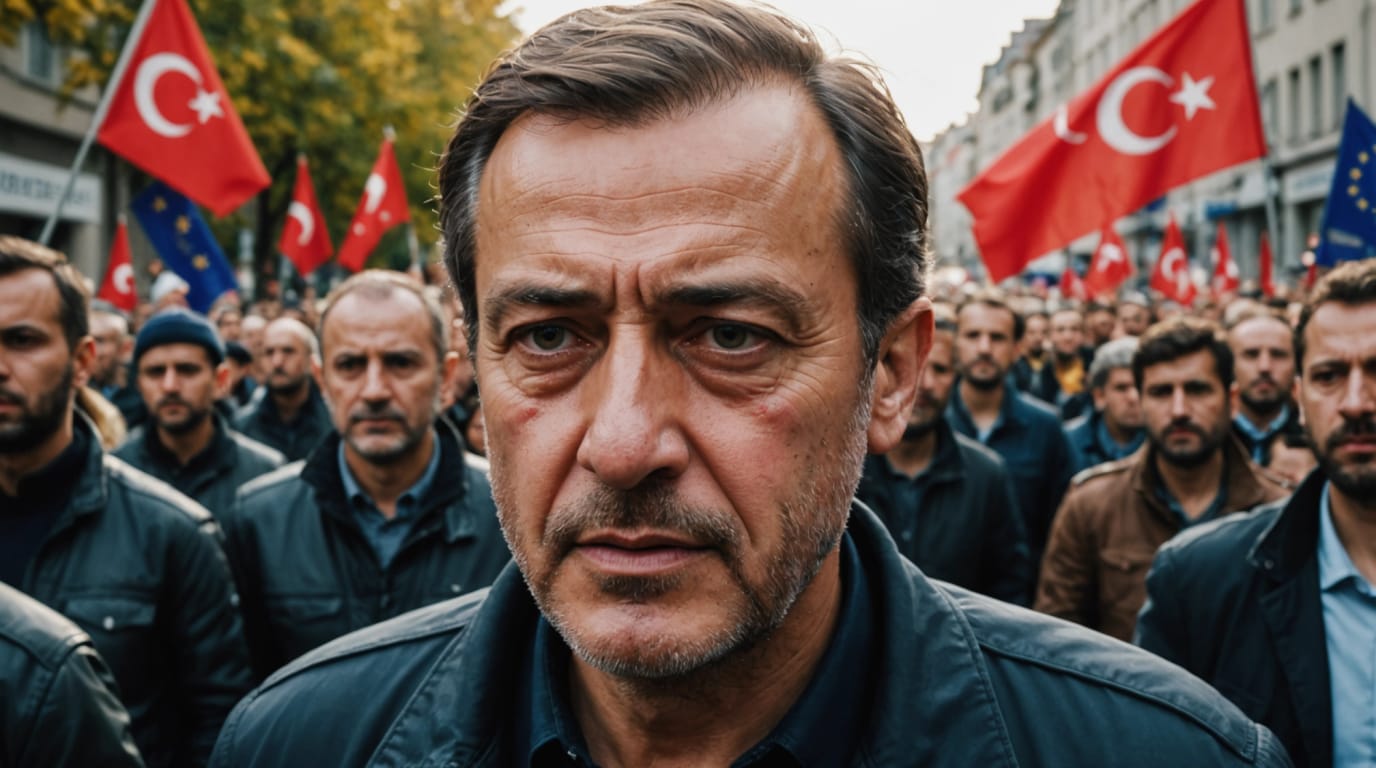
The European Union faces a persistent dilemma in its relationship with Turkey: how to reconcile its commitment to human rights and democratic values with its strategic and economic interests in a complex geopolitical landscape. Despite increasing concerns over Turkey's human rights record, the EU has refrained from taking decisive action, leading to criticism and questions about the effectiveness of its foreign policy.
A Deteriorating Human Rights Situation
Over the past decade, Turkey has experienced a significant erosion of democratic norms and a decline in human rights. The government, under President Recep Tayyip Erdoğan, has been accused of targeting perceived government critics and political opponents, undermining the independence of the judiciary, and hollowing out democratic institutions.
Freedom of expression has been severely curtailed, with Turkey holding one of the world's highest rates of imprisoned journalists. Independent media outlets have been shut down, and journalists face constant threats, self-censorship is widespread amid fears that criticizing the government could prompt reprisals. The government has also been criticized for restricting freedom of assembly, banning LGBTQ+ pride marches, and cracking down on peaceful protests.
The Turkish government's human rights record has been further tarnished by its treatment of minorities, particularly Kurds, and its withdrawal from the Istanbul Convention on preventing and combating violence against women. There have also been credible allegations of torture and ill-treatment in police custody and prisons.
The EU's Response: A Mix of Criticism and Engagement
The EU has consistently voiced concerns about the human rights situation in Turkey. Successive reports from the European Commission have been strongly critical of the Turkish government's actions, and the European Parliament has repeatedly called for the suspension of accession talks.
In February 2025, the European Parliament adopted a resolution condemning the dismissal and arrest of opposition mayors in Turkey, calling for sanctions on officials responsible for replacing them with government-appointed trustees. The resolution cited concerns over the erosion of local democracy.
The EU has also used financial tools to signal its disapproval. European funds allocated to Turkey are strictly tied to its commitment to maintaining the rule of law and guaranteeing fundamental freedoms. The EU has also urged the Turkish government to fully implement all European Court of Human Rights (ECtHR) rulings.
Despite these criticisms and measures, the EU has maintained a level of engagement with Turkey, driven by strategic and economic considerations.
Strategic and Economic Interests at Play
Turkey's strategic importance to the EU is undeniable. As a NATO member with the second-largest army in the alliance, Turkey plays a crucial role in European security. It is also a key partner in managing migration flows, particularly in the aftermath of the Syrian civil war. The EU-Turkey migration deal, though controversial, has been effective in curbing illegal migration to Europe.
Economically, Turkey is a major trading partner for the EU, and both are members of the European Union–Turkey Customs Union. Closer cooperation and dialogue between Turkey and the EU may facilitate a paradigm change in the Eastern Mediterranean from a region beset by conflict over hydrocarbons to one exemplifying cooperation over renewables.
These strategic and economic interests have led the EU to adopt a pragmatic approach, balancing its concerns about human rights with the need to maintain a working relationship with Turkey.
The Dilemma of Conditionality
The EU's policy of conditionality, which links progress in accession talks and financial assistance to improvements in human rights and democracy, has had limited success in influencing Turkey's behavior. Some argue that the EU's engagement with Turkey, despite its human rights record, has given Ankara a free pass and undermined the credibility of its conditionality policy.
Others argue that cutting off all ties with Turkey would be counterproductive, as it would further isolate the country and reduce the EU's ability to influence its policies. They advocate for a more nuanced approach that combines criticism with engagement, using targeted sanctions and financial incentives to encourage reforms.
The Future of EU-Turkey Relations
The future of EU-Turkey relations remains uncertain. The accession process is effectively frozen, and there is little prospect of it being revived in the near future. However, both sides have an interest in maintaining a working relationship, particularly in areas such as security, migration, and trade.
Some analysts suggest that the EU and Turkey should move towards a more transactional relationship, focusing on areas of mutual interest while setting aside the more contentious issues of human rights and democracy. Others argue that the EU should not abandon its commitment to its values and should continue to press Turkey to improve its human rights record.
In February 2025, Carl Bildt, former prime minister of Sweden and co-chair of the European Council on Foreign Relations, said that the Turkish protest and instability will certainly not be a good thing for EU-Turkey relations. He added, "we have an interest in good relationship and stable relationship with Turkey. It's a significant EU strategic actor. It's a significant economy. But of course, when we have these arrests of a prominent opposition, politicians, we have massive protests that are repressed, that we have massive violations of social media and arrests of journalists and things like that. It does complicate things to put it very mildly."
Conclusion
The EU's relationship with Turkey is a complex and multifaceted one, characterized by both cooperation and conflict. The EU faces a difficult balancing act between its commitment to human rights and its strategic and economic interests. While the EU has consistently criticized Turkey's human rights record, it has refrained from taking decisive action, leading to questions about the effectiveness of its foreign policy.
Moving forward, the EU needs to find a way to maintain a working relationship with Turkey while upholding its values and promoting human rights and democracy. This will require a nuanced approach that combines criticism with engagement, using targeted sanctions and financial incentives to encourage reforms. The EU must also be prepared to reassess its relationship with Turkey if the human rights situation continues to deteriorate.


