EU's Electric Vehicle Ambitions Face Roadblock as 2035 Combustion Engine Ban Faces Potential Revision
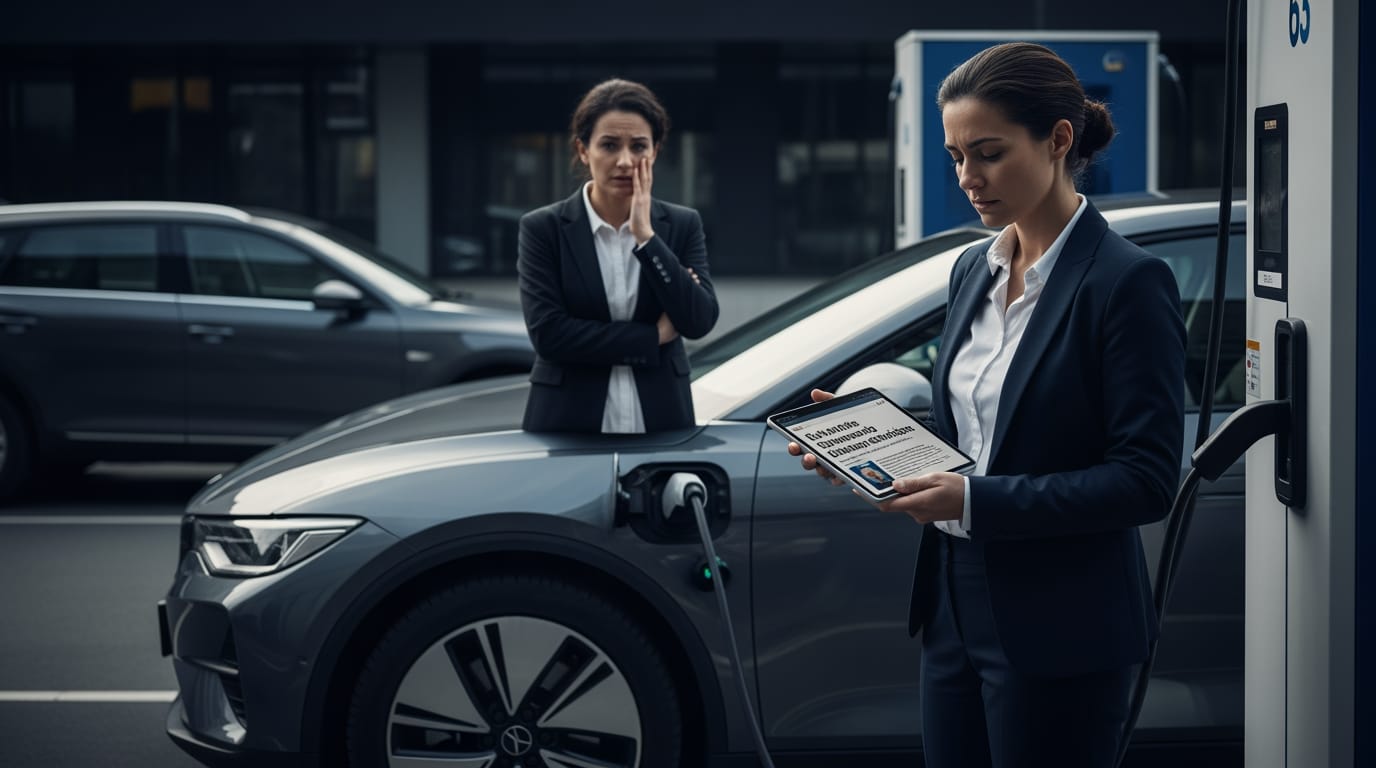
The European Union's ambitious 2035 deadline for phasing out new combustion engine vehicles, once a cornerstone of its climate strategy, is now under intense scrutiny, sending ripples of uncertainty and concern throughout the automotive sector. A growing chorus of political leaders and some car manufacturers are advocating for a review and potential softening of the ban, citing a slower-than-anticipated transition to electric vehicles (EVs) and mounting economic pressures. However, this potential backtrack is "spooking" other segments of the industry and environmental groups who warn of dire consequences for investment, competitiveness, and climate targets.
The debate has intensified with key political figures and industry associations openly challenging the feasibility and economic wisdom of the rigid deadline. German Chancellor Friedrich Merz has been a vocal proponent of rethinking the ban, asserting that the EU "must remain a strong industrial location" and that politically motivated bans should not lead to economic setbacks. This sentiment echoes concerns from major carmakers like Stellantis and Volkswagen, who report struggling with lower-than-expected EV sales and fierce competition, particularly from Chinese manufacturers. The European Commission, acknowledging these pressures, has indicated a willingness to introduce "flexibility" into the framework, with a review of the 2035 policy already fast-tracked from its original 2026 schedule.
The Genesis of the Ban and its Green Intent
The EU's original decision, adopted in 2022 and formalized in 2023, mandated that all new cars sold after 2035 must produce zero CO2 emissions, effectively banning the sale of new petrol and diesel vehicles. This landmark policy was designed to accelerate the bloc's transition to a climate-neutral economy by 2050 and drastically reduce emissions from the transport sector, a significant contributor to greenhouse gases. The move was lauded by environmental advocates as a clear signal for innovation and a necessary step to combat climate change, providing a stable regulatory framework for the automotive industry to retool and invest in electric mobility.
The underlying rationale was that a firm deadline would drive technological advancements, increase the availability of affordable EVs, and ultimately benefit European consumers through cleaner air and lower running costs. It aimed to cement Europe's position as a leader in green technology and ensure the long-term competitiveness of its automotive industry in a rapidly evolving global market.
Political and Economic Winds Shift the Course
However, the political and economic landscape has shifted considerably since the ban's initial adoption. The European People's Party (EPP), now the largest political group in the European Parliament, has spearheaded the push for a review, advocating for allowing the continued sale of combustion engine vehicles that run on sustainable fuels, such as e-fuels and advanced biofuels, as well as plug-in hybrids, beyond 2035. This push gained momentum following the European elections, where the EPP secured a majority, having campaigned on a platform that included reconsidering the ban.
The automotive industry's pleas for relief are primarily driven by market realities. Demand for electric vehicles has not met earlier projections, leading to stockpiles and hindering profitability for some manufacturers. High electricity costs and "charging anxiety" among consumers are cited as significant hurdles. Moreover, European carmakers face intense competition from Chinese EV manufacturers, who offer more affordable alternatives, further complicating the transition. Industry leaders warn that without adjustments, the sector risks an "irreversible decline," potentially leading to substantial job losses—with some estimates pointing to 50,000 jobs in Germany alone that could be affected—and billions in fines for failing to meet stringent emissions targets.
In response, the EU's Transport Commissioner, Apostolos Tzitzikostas, has confirmed that the European Commission will propose revisions, emphasizing an "open to all technologies" approach. This could mean a future where new internal combustion engine cars, if powered by certified e-fuels or biofuels, could still be registered in the EU after 2035, alongside an increased role for plug-in hybrids.
The Auto Sector's Unease: A Divided Industry
While some powerful voices in the auto industry and political sphere welcome the potential flexibility, others are "spooked" by the prospect of backtracking. A coalition of car manufacturers (including Renault Group, Volvo, Ford, and Tesla) and a multitude of environmental organizations, such as the Platform for Electromobility, Transport & Environment (T&E), and Greenpeace, have issued urgent warnings against revoking or weakening the ban.
Their primary concern is the erosion of investor confidence. Companies that have already committed significant resources – billions of euros – to retooling factories, developing EV platforms, and securing battery supply chains based on the 2035 deadline fear that regulatory uncertainty will undermine their investments. "To 'hit reverse' now would significantly penalize all industrial actors... who have already invested in this transition," stated the Platform for Electromobility. They argue that a clear, consistent regulatory framework is essential to attract the necessary investment for Europe's net-zero industrial ecosystem.
Furthermore, critics argue that weakening the ban could compromise Europe's long-term competitiveness. Retreating from the zero-emission target risks ceding the lead in EV technology to global rivals, especially China, and could endanger thousands of jobs in the burgeoning green economy. Environmental groups like T&E warn that allowing more flexible interpretations could lead to an additional 500 to 1,400 million tonnes of CO2 emissions. They also argue that "e-fuels will remain scarce and expensive," making them an unfeasible solution for mass-market vehicles.
Beyond climate implications, environmental think tanks and some political factions, such as Germany's Social Democrats, caution that diluting the ban would destroy "planning and investment security for companies." This sentiment highlights a fundamental tension: while some call for flexibility due to current market challenges, others believe that maintaining the firm deadline is crucial for fostering long-term stability and driving necessary innovation.
Balancing Act: Europe's Industrial Future and Climate Goals
The European Union now faces a critical balancing act: how to support its vital automotive industry through a turbulent transition without compromising its ambitious climate goals or undermining the significant investments already made in electric mobility. The upcoming "automotive package" from the European Commission is keenly awaited, expected to outline revised rules and support mechanisms. This package will likely seek to bridge the divide, potentially offering concessions such as the inclusion of sustainable fuels and hybrid technologies, while still aiming for a decarbonized transport sector.
The ultimate decision will have profound implications for millions of jobs, billions in investments, and the credibility of Europe's commitment to fighting climate change. As the continent grapples with economic headwinds and geopolitical shifts, the future of the internal combustion engine in the EU remains a subject of intense debate, underscoring the complexities of transitioning an entire industrial sector towards a sustainable future.