FBI Searches Washington Post Reporter's Home Amid Classified Document Probe, Raising Press Freedom Alarms
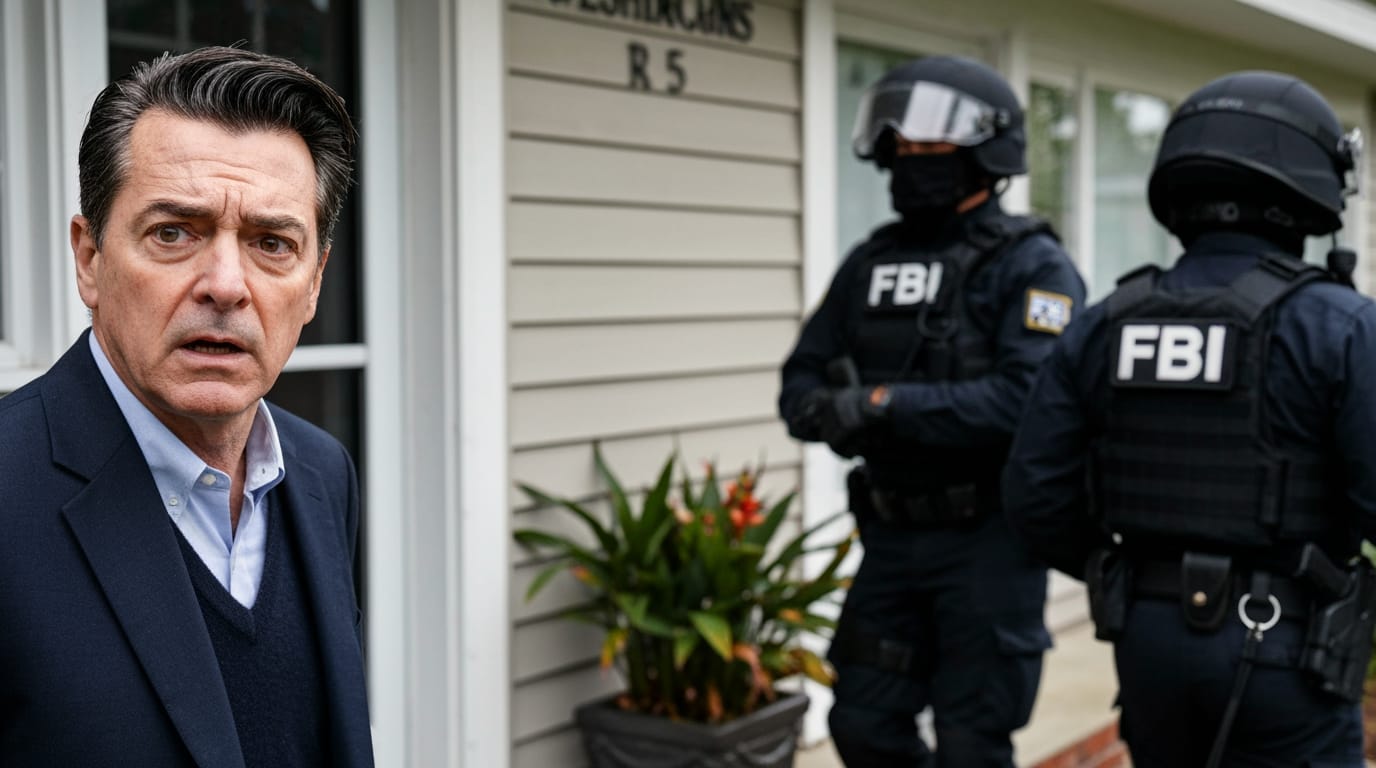
WASHINGTON – In a move described by The Washington Post as "highly unusual and aggressive," the Federal Bureau of Investigation on Wednesday searched the Virginia home of reporter Hannah Natanson, seizing electronic devices as part of an investigation into a government contractor accused of illegally retaining classified materials. The raid has ignited widespread condemnation from press freedom advocates and reignited concerns about government actions against independent journalism.
The unprecedented search, conducted early Wednesday morning, saw federal agents descend on Natanson's residence in Virginia. During the search, agents confiscated her phone, a Garmin watch, and two laptop computers, one personal and one issued by The Washington Post. Investigators reportedly informed Natanson that she was not the focus of the probe and was not accused of any wrongdoing. Natanson, a reporter known for her coverage of the Trump administration's restructuring of the federal government, recently published an article detailing how she had gained hundreds of new sources within the federal workforce, earning her the moniker "the federal government whisperer" from a colleague.
The Underlying Leak Investigation
The FBI's search warrant indicated the action was connected to an ongoing investigation into Aurelio Perez-Lugones, a system administrator in Maryland who held a top-secret security clearance. Perez-Lugones was charged earlier this month with unlawful retention of national defense information. Authorities allege he accessed and took home classified intelligence reports, with documents marked "SECRET" reportedly found in his lunchbox and basement during a search of his Maryland home and vehicle. Perez-Lugones is currently in custody.
Attorney General Pam Bondi confirmed the raid in a social media post, stating that the search was executed at the request of the "Department of War," now known as the Department of Defense, in conjunction with the Justice Department and FBI. Bondi emphasized the Trump administration's stance against "illegal leaks of classified information" that she claimed pose a grave risk to national security. She further stated the search was at the home of a journalist "who was obtaining and reporting classified and illegally leaked information from a Pentagon contractor," and that the "leaker is currently behind bars".
Alarms Raised Over Press Freedom
The search of Natanson's home has been widely criticized by press organizations and advocates as a significant escalation in governmental actions against the media. The Washington Post's Executive Editor Matt Murray characterized the search as an "extraordinary, aggressive action" that raises "profound questions and concern around the constitutional protections for our work".
Bruce D. Brown, president of the Reporters Committee for Freedom of the Press, underscored the gravity of the situation, stating that "physical searches of reporters' devices, homes and belongings are some of the most invasive investigative steps law enforcement can take". He added that specific federal laws and Justice Department policies are intended to restrict such searches to the most extreme cases to prevent endangering confidential sources and impairing public interest reporting. Marty Baron, the Post's former executive editor, remarked that the incident signaled "a clear and appalling sign that this administration will set no limits on its acts of aggression against an independent press".
Typically, federal inquiries into classified information leaks do not involve searches of journalists' homes, instead often relying on phone records or email communications. This makes the search of Natanson's home a notable departure from established norms. Critics argue that such actions create a chilling effect, potentially making sources hesitant to provide information and stifling the flow of crucial information to the public.
Broader Implications for Journalism and Public Trust
The incident comes after the Trump administration last year reversed a policy that had restricted the Justice Department's ability to investigate journalists' data in most leak cases. Attorney General Bondi previously justified this reversal by citing the need to protect sensitive information. However, press freedom advocates contend that such policy shifts and aggressive investigative tactics undermine journalistic independence and the public's right to know.
Searches of this nature have significant implications beyond the immediate case. They can disrupt newsroom operations, especially if essential reporting equipment and documents are seized. The psychological toll on journalists working under the specter of government surveillance or intervention can be considerable, potentially leading to self-censorship. Moreover, the erosion of trust between the public and the media, stemming from perceptions of government influence or intimidation, can have serious consequences for democratic discourse.
The Justice Department has historically developed internal guidelines for handling investigations involving the media, often aiming to protect journalistic privilege and confidential sources. However, the application and interpretation of these guidelines, particularly concerning national security investigations, remain a contentious area. The use of national security letters and FISA surveillance, which sometimes operate under different rules than subpoenas and warrants, has also raised concerns about the government's ability to obtain journalists' information without robust oversight.
The search of Hannah Natanson's home represents a rare and concerning development in the ongoing tension between national security interests and press freedom. While the immediate focus remains on the investigation into the alleged leaker, the broader implications for journalists' ability to report on government activities and protect their sources are profound. The incident is likely to intensify debates about governmental transparency, the limits of investigative powers, and the essential role of a free press in a democratic society.


