Federal Immigration Surge in Minneapolis Concludes Amidst Controversy and Backlash
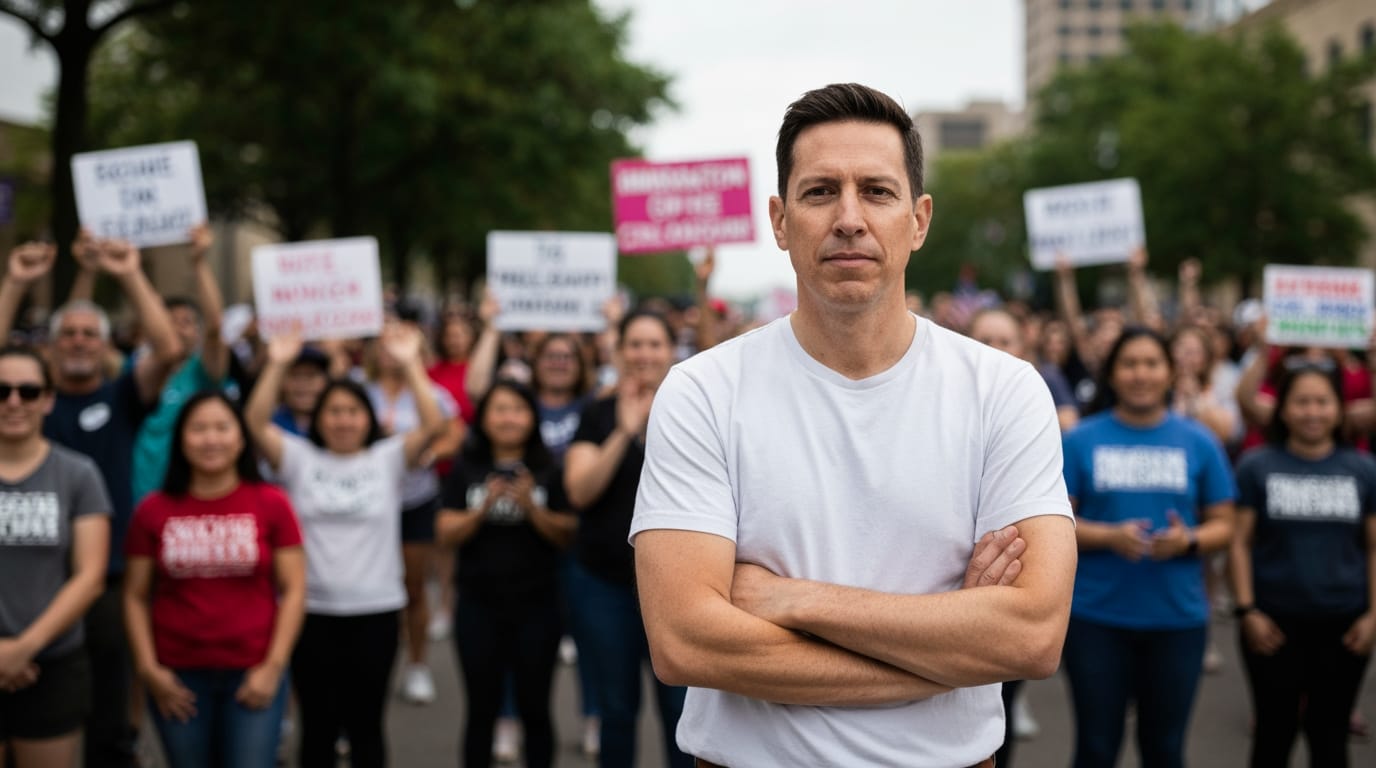
Minneapolis, MN – The federal government's intensive immigration enforcement operation in Minnesota, known as Operation Metro Surge, is concluding after months of heightened activity that led to widespread protests, mass detentions, and civilian deaths. Tom Homan, the White House border czar, announced the end of the surge on Thursday, February 12, 2026, citing its success in addressing public safety threats and fostering cooperation with local authorities. This development marks a significant shift in federal immigration tactics that had drawn sharp criticism from state and local leaders, as well as community advocates.
The Genesis of Operation Metro Surge
Operation Metro Surge commenced in early December 2025, initially focusing on the Twin Cities of Minneapolis and Saint Paul, before expanding across Minnesota. The Department of Homeland Security characterized it as the largest immigration enforcement operation ever undertaken, deploying between 2,000 and 3,000 federal agents from various agencies, including U.S. Immigration and Customs Enforcement (ICE) and Customs and Border Protection (CBP). The stated objective of the surge was to apprehend undocumented immigrants for deportation, with federal officials emphasizing a focus on individuals deemed dangerous criminal illegal aliens. More than 4,000 people were arrested during the operation.
However, the operation quickly generated considerable controversy. Reports indicated that many individuals detained had no criminal records, including children and U.S. citizens. The tactics employed by federal agents, such as sweeping street enforcement and random stops, particularly targeting communities of color, fueled public outrage. Community members described fears of roving patrols and being arbitrarily stopped and asked to prove their citizenship. The intense enforcement efforts disrupted daily life, impacting local economies and leading some schools to transition to remote learning as families feared sending their children outside.
Mounting Tensions and Fatal Incidents
The situation escalated dramatically with two fatal shootings involving federal immigration agents and U.S. citizens. Renee Good and Alex Pretti, both U.S. citizens, were killed during incidents related to the operation, sparking national outcry and intensifying scrutiny of federal agents' use of force. These deaths, coupled with videos that appeared to contradict official accounts of self-defense in some confrontations, further eroded public trust and amplified calls for accountability.
The mounting criticism prompted a leadership change within the operation. Tom Homan, known for his long career in immigration enforcement and his role as acting director of ICE during the first Trump administration, was dispatched to Minnesota in late January 2026 to take over command. Homan, appointed "border czar" in November 2024 for the current administration, had previously advocated for aggressive immigration policies, including family separations and opposition to sanctuary city designations. His arrival signaled a potential shift in strategy, with initial indications of a move towards more targeted enforcement.
A Pivot Towards "Targeted Operations"
Under Homan's direction, federal officials began to acknowledge flaws in the sweeping approach of Operation Metro Surge. He indicated a shift in strategy, emphasizing that ICE would pivot to more targeted operations, focusing enforcement efforts on immigrants with criminal records and national security risks, and explicitly avoiding broad street sweeps. Homan also stated that engagements with "agitators" would be limited, aiming to de-escalate tensions. This tactical adjustment was presented as a more "smarter" approach to law enforcement, rather than a reduction in overall enforcement efforts.
A partial drawdown of federal personnel preceded the final announcement. On February 4, 2026, Homan announced the withdrawal of 700 federal agents from the region, though approximately 2,000 remained. The subsequent announcement on February 12 confirmed the complete conclusion of the surge operation, with Homan proposing the wind-down to President Trump, who reportedly concurred with the decision. Homan attributed the end of the surge to its success in arresting "public safety threats" and establishing "unprecedented levels of coordination" with state and local law enforcement, particularly regarding access to county jails for detaining individuals upon release. He maintained that Minnesota was now "less of a sanctuary state for criminals" as a result of the operation.
Local Reactions and Future Implications
The conclusion of Operation Metro Surge elicited a complex range of reactions from Minnesota officials and residents. Governor Tim Walz had previously characterized the federal presence as an "occupation" and a "retribution campaign" against the state, indicating he expected the operation to end quickly based on his discussions with senior administration officials. Minneapolis Mayor Jacob Frey also reported positive meetings with Homan regarding a potential drawdown.
While some community members expressed relief at the announcement, skepticism remained regarding the long-term implications. Concerns were voiced that federal agents might simply be redeployed to other communities or that a smaller, less visible federal presence could continue similar enforcement tactics without the overt show of force. The contentious nature of the crackdown, marked by the civilian deaths and widespread fear, left many questioning the administration's stated motives and methods.
The end of Operation Metro Surge signifies a recalibration of federal immigration enforcement in Minnesota, moving away from a high-visibility, broad-sweeping approach towards more targeted actions. While federal authorities declared the operation a success, local leaders and residents grappled with its divisive legacy, including the human cost and the erosion of trust between communities and law enforcement. The focus will now shift to how these revised enforcement strategies will be implemented and their impact on the state's immigrant populations and overall community relations.


