Supreme Court Orders Urgent Medical Examination for Imran Khan Amid Alarming Vision Loss Claims
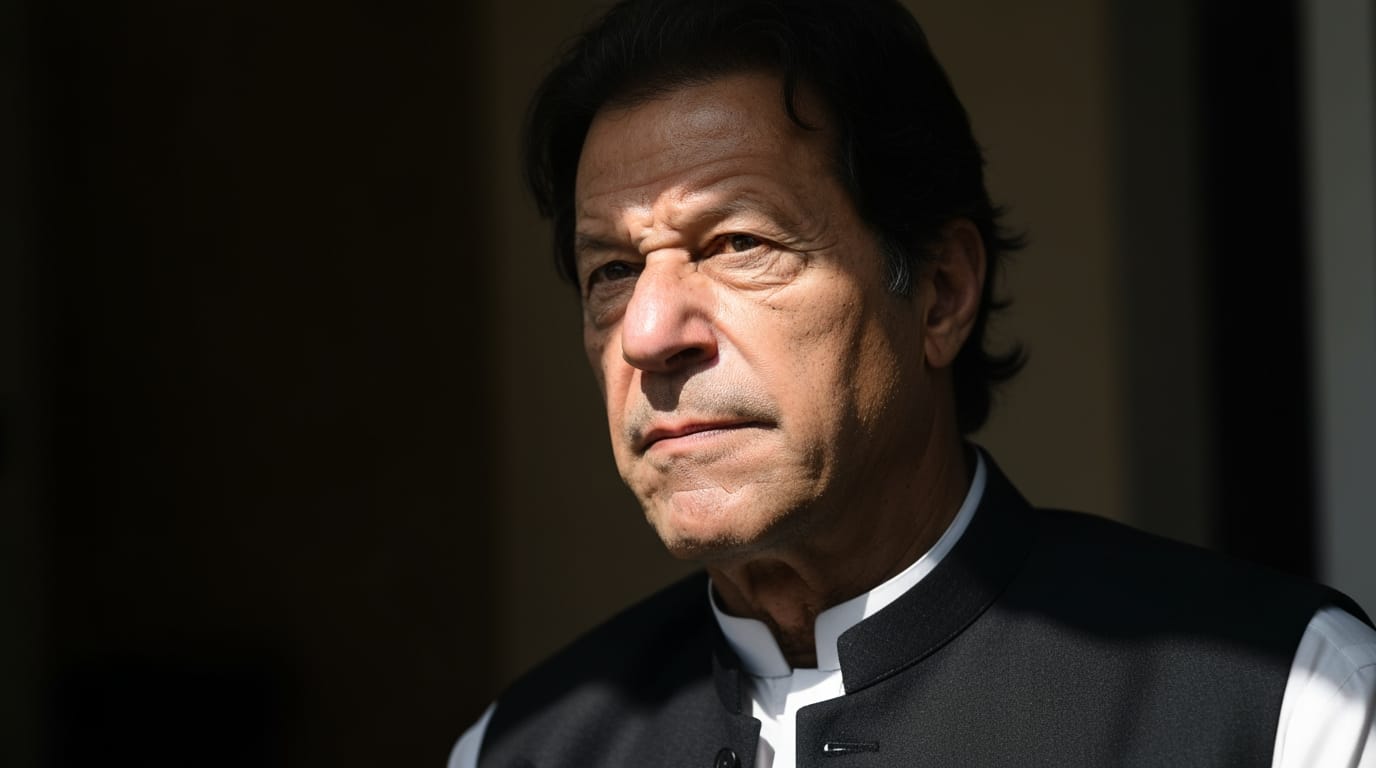
Islamabad, Pakistan – Pakistan's Supreme Court has mandated an urgent medical examination for former Prime Minister Imran Khan, currently imprisoned, following grave claims of significant vision loss in his right eye. The court's directive, issued on Thursday, February 12, 2026, instructs authorities to form a specialized medical team to assess Khan's condition before February 16, adding another layer of scrutiny to the high-profile detention of the 73-year-old political figure. This development emerges from a detailed report submitted by a court-appointed lawyer, highlighting a severe deterioration in Khan's eyesight and raising critical questions about the standard of medical care afforded to prisoners, especially those of national prominence.
The Escalating Health Crisis and Judicial Intervention
The Supreme Court's order comes in response to a report by Barrister Salman Safdar, appointed as amicus curiae, who visited Khan at Rawalpindi's Adiala Jail on February 10. According to Safdar's findings, which were presented to the court, Khan claims to have lost approximately 85% of vision in his right eye, with only about 15% remaining. This alarming reduction in sight is reportedly due to a "central retinal vein occlusion," a serious condition caused by a blood clot in the retinal vein that can lead to permanent damage if untreated. Khan informed his attorney that he had maintained normal 6/6 vision in both eyes until October 2025. Subsequently, he began experiencing persistent blurred and hazy vision, which he states he repeatedly reported to jail authorities, but no effective action was taken. He later suffered a sudden and complete loss of vision in the affected eye. Chief Justice Yahya Afridi, presiding over a two-member bench, underscored the gravity of the situation, observing that "the issue of Imran's health is most important. Intervention is necessary."
Allegations of Medical Neglect Amidst Political Tensions
The claims of vision loss and delayed treatment have ignited a fierce debate, with Khan's political party, Pakistan Tehreek-e-Insaf (PTI), and his family alleging severe medical neglect. His sister, Aleema Khan, stated that her brother complained of blurred vision for three months, but prison authorities allegedly did not act until a late January hospital visit. She argues that this delay contributed significantly to his worsened condition. Khan's son, Kasim Khan, publicly attributed his father's deteriorating eyesight to "solitary confinement, medical neglect" and the alleged denial of blood tests, squarely placing responsibility on the "regime in power" and military leadership. These accusations contrast sharply with statements from government officials. Information Minister Attaullah Tarar had previously asserted that Khan was in "good health" after undergoing a "brief medical procedure for an eye condition" at an Islamabad hospital on January 24, a development confirmed by the hospital itself, which stated the procedure was conducted with Khan's consent. However, Khan's family and legal team contend they were not consulted before this procedure, and that verifiable details about his condition, the treatment administered, or the involved doctors were not provided, raising "more questions than answers."
Khan has been incarcerated since August 2023, following a conviction in a corruption case. He faces multiple other legal battles, which he and his party maintain are politically motivated attempts to sideline him from Pakistan's political landscape. His party has repeatedly voiced concerns over his general health, alleging that he has been kept in solitary confinement for extended periods and denied unrestricted access to his personal physicians and family, despite court orders in some instances.
Broader Implications for Prisoner Rights and Judicial Oversight
The Supreme Court's intervention extends beyond just Khan's medical condition. In a significant move to uphold basic rights, the court also directed authorities to facilitate communication between Khan and his two sons, who reside in the United Kingdom. This instruction addresses a long-standing complaint from Khan's family and party regarding restricted access, including limited family visits and phone calls. The Chief Justice emphasized that the state bears the responsibility to provide medical facilities to all prisoners, irrespective of their status. This ruling reinforces the principle of humane treatment for those in state custody and sets a precedent for judicial oversight in ensuring fundamental rights are protected within the prison system. The situation has garnered considerable attention on social media and from human rights organizations, who are closely monitoring the treatment of the former prime minister.
The Path Forward: Medical Clarity and Political Ramifications
The upcoming medical examination, ordered to be completed before February 16, is expected to provide definitive clarity on the extent of Imran Khan's vision loss and the efficacy of previous treatments. The report from the independent medical team will be crucial in determining subsequent medical care and could have significant implications for his detention conditions. Should the findings corroborate the severe nature of Khan's claims, it could intensify public pressure on authorities and potentially lead to further legal challenges regarding the treatment of high-profile political prisoners. For the Pakistan Tehreek-e-Insaf, the outcome of this examination is vital, not just for their leader's well-being but also as a focal point for their ongoing political narrative concerning the alleged suppression of dissent and the politicization of state institutions. The situation underscores the delicate balance between state security, political stability, and the fundamental human rights of individuals, even those facing serious legal charges.
In conclusion, the Supreme Court's decisive action to order an independent medical assessment of Imran Khan's vision loss claims marks a pivotal moment in the ongoing saga surrounding the imprisoned former prime minister. While the state maintains its commitment to providing adequate healthcare, the allegations of neglect from Khan's family and party, coupled with the detailed report from the amicus curiae, have brought the issue of his health to the forefront of national discourse. The impending medical report and the court's directives on family access will undoubtedly shape both Khan's personal circumstances and the broader narrative concerning justice and human rights within Pakistan's complex political landscape.


