Switzerland Poised for Historic Vote on Population Cap, Sparking Intense National Debate
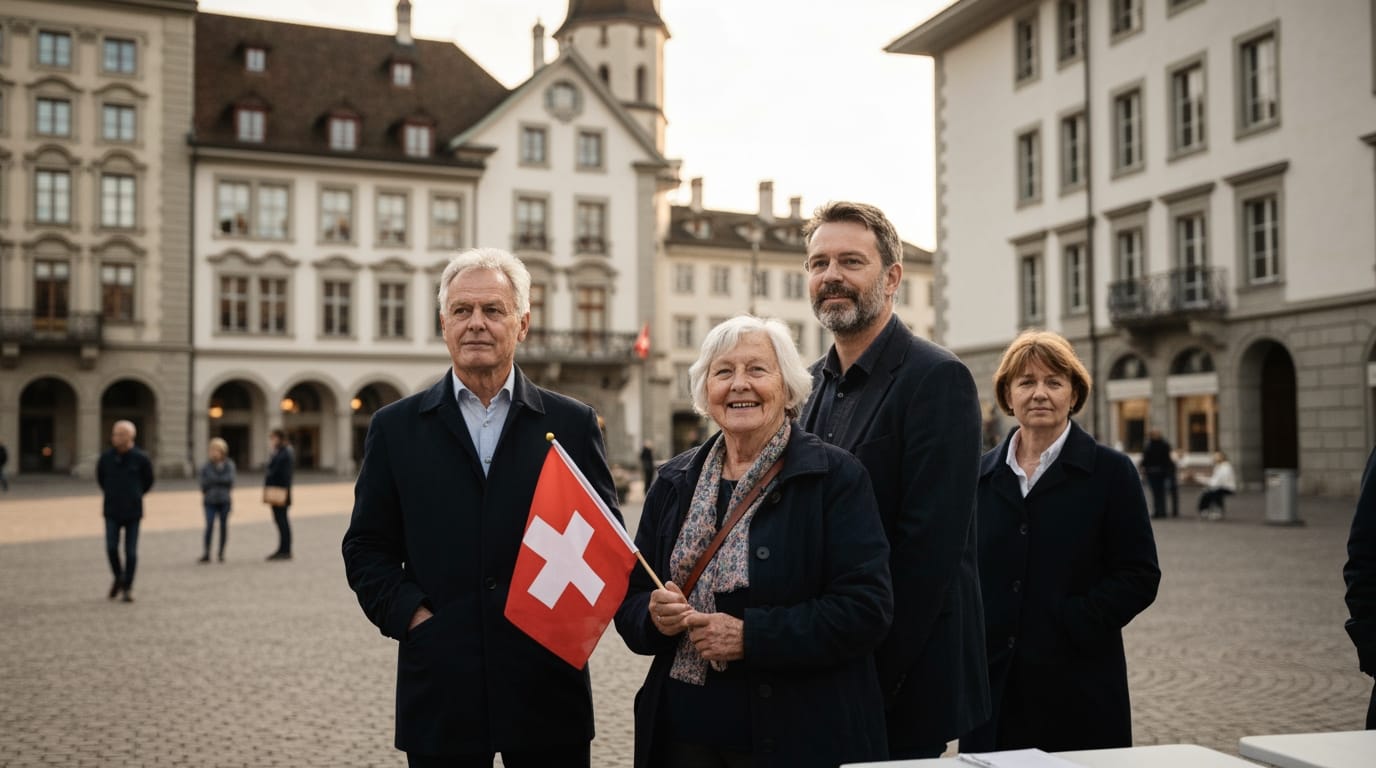
BERN, Switzerland – Switzerland, a nation long grappling with the societal impacts of its robust economic success and high quality of life, is gearing up for a pivotal nationwide vote on June 14 to decide whether to cap its permanent resident population at 10 million people. The initiative, spearheaded by the right-wing Swiss People's Party (SVP), has ignited a fierce national debate, pitting concerns over infrastructure strain and national identity against dire warnings of economic fallout and compromised international relations.
The forthcoming referendum, often referred to as the "sustainability initiative" or "No to a 10 Million Switzerland," comes as the country's population, currently standing at approximately 9.1 million, has experienced significant growth, largely driven by immigration. Proponents argue that unchecked demographic expansion threatens the Alpine nation's pristine environment, overburdens its public services, and erodes its unique cultural fabric. Opponents, including the Swiss government and parliament, contend that such a restrictive measure would cripple the economy, exacerbate labor shortages, and jeopardize vital agreements with the European Union. With recent polls indicating nearly half of the electorate supports the cap, the vote presents a defining moment for Switzerland's future trajectory.
The Core of the "Sustainability Initiative"
The "No to a 10 Million Switzerland" initiative, launched by the SVP, aims to enshrine a constitutional limit on the country's permanent resident population, stipulating it must not exceed 10 million people before 2050. Should the population reach 9.5 million before this target, the initiative mandates that the government and parliament implement stringent measures to curb growth. These preventative actions would specifically target immigration, including restrictions on asylum applications, limits on family reunification for foreign residents, and tighter controls on residency permits.
The SVP and its supporters contend that the rapid population increase, with Switzerland's population growing by approximately 70% since 1960, has created an unsustainable burden on the country's resources. They point to visible signs of strain such as rising rents, congested public transport and roads, increased pressure on schools and healthcare facilities, and concerns about environmental degradation. The party, known for its anti-immigration stance, frames the initiative as essential for preserving the quality of life, natural resources, and the distinctive identity of Switzerland. They argue that while a small economic elite benefits from easier access to labor, the broader populace shoulders the social and financial costs of rapid demographic expansion.
Economic Apprehensions and International Commitments
In stark contrast, a broad coalition of political parties, business leaders, and the Swiss Federal Council has strongly urged voters to reject the initiative. Their primary concern centers on the severe economic repercussions that a population cap could trigger. Switzerland's economy relies heavily on foreign talent, with foreign nationals comprising about 27-30% of its resident population, many coming from European Union countries. Businesses, particularly in high-demand sectors like pharmaceuticals, finance, technology, and healthcare, warn that restricting immigration would lead to critical labor shortages, stifle innovation, and undermine the country's global competitiveness. Business lobby groups, such as Economiesuisse, have labeled the proposal a "chaos initiative," predicting that companies might be forced to relocate if they cannot recruit necessary personnel.
A central and highly contentious aspect of the initiative is its potential impact on Switzerland's meticulously crafted bilateral agreements with the European Union. The proposal explicitly states that if the population reaches the 10 million ceiling and other measures prove insufficient, the Swiss government would be compelled to renegotiate or even terminate international agreements that contribute to population growth. This clause is widely understood to target the crucial free movement of persons agreement with the EU. Opponents warn that withdrawing from this agreement could trigger the "guillotine clause," potentially unraveling a comprehensive suite of bilateral treaties that govern trade, transport, and research, severely impacting Switzerland's access to its largest export market. Such a move, critics argue, would not only damage the economy but also create significant legal uncertainty for foreign employees and their employers. Furthermore, a reduction in EU and EFTA workers could strain the Swiss pension system, as these individuals contribute disproportionately to social insurance finances.
Switzerland's Unique Democratic Landscape and Demographic Trends
Switzerland's system of direct democracy allows citizens to directly influence policymaking through referendums, often held several times a year. The SVP has a history of leveraging this system to advance its nativist agenda, notably with a successful ban on minarets in 2009. The collection of over 114,000 valid signatures for the "No to a 10 Million Switzerland" initiative underscores the significant public sentiment behind the proposal.
Historically, Switzerland has seen substantial population growth. From 1800 to 1990, its population quadrupled, and it has grown by about 70% since 1960, largely due to demand for labor, attractive wages, and high quality of life. As of the end of the third quarter of 2025, the federal statistics office reported Switzerland's population at 9.1 million. The country's population has grown five times faster than its EU neighbors over the last decade, primarily fueled by economic success attracting both high-skilled and lower-skilled workers. Approximately 30% of the population are foreign-born, one of the highest proportions in Europe. This demographic reality sets the stage for the current debate, with concerns about cultural erosion and the perceived strain on public services deeply embedded in the proponents' arguments.
Societal Cohesion and the Road Ahead
Beyond economic and infrastructural concerns, the initiative also touches upon fundamental questions of societal cohesion and Switzerland's role in the international community. The proposal's clauses, such as denying entry to asylum seekers or suspending family reunification, raise humanitarian concerns. The potential revocation of temporary protection status for thousands of Ukrainians currently residing in Switzerland, should numbers approach the threshold, highlights the immediate human impact of such policies.
The upcoming vote reflects a growing "dichotomy of success" within Switzerland: the very prosperity that has drawn people to the country has also created the conditions—such as crowding and increased cost of living—that fuel the backlash against immigration. While critics argue the initiative oversimplifies a complex issue and that domestic policy options exist to address frustrations with healthcare and housing, the widespread support for the cap indicates a deep-seated anxiety among a segment of the population. The decision on June 14 will not merely be about a numerical cap; it will be a referendum on Switzerland's openness, its economic model, and its identity in an increasingly interconnected world. The outcome will undoubtedly have profound and lasting implications for the future of this Alpine nation.