Federal Judge Blocks Deportation of Palestinian Student, Citing First Amendment Concerns
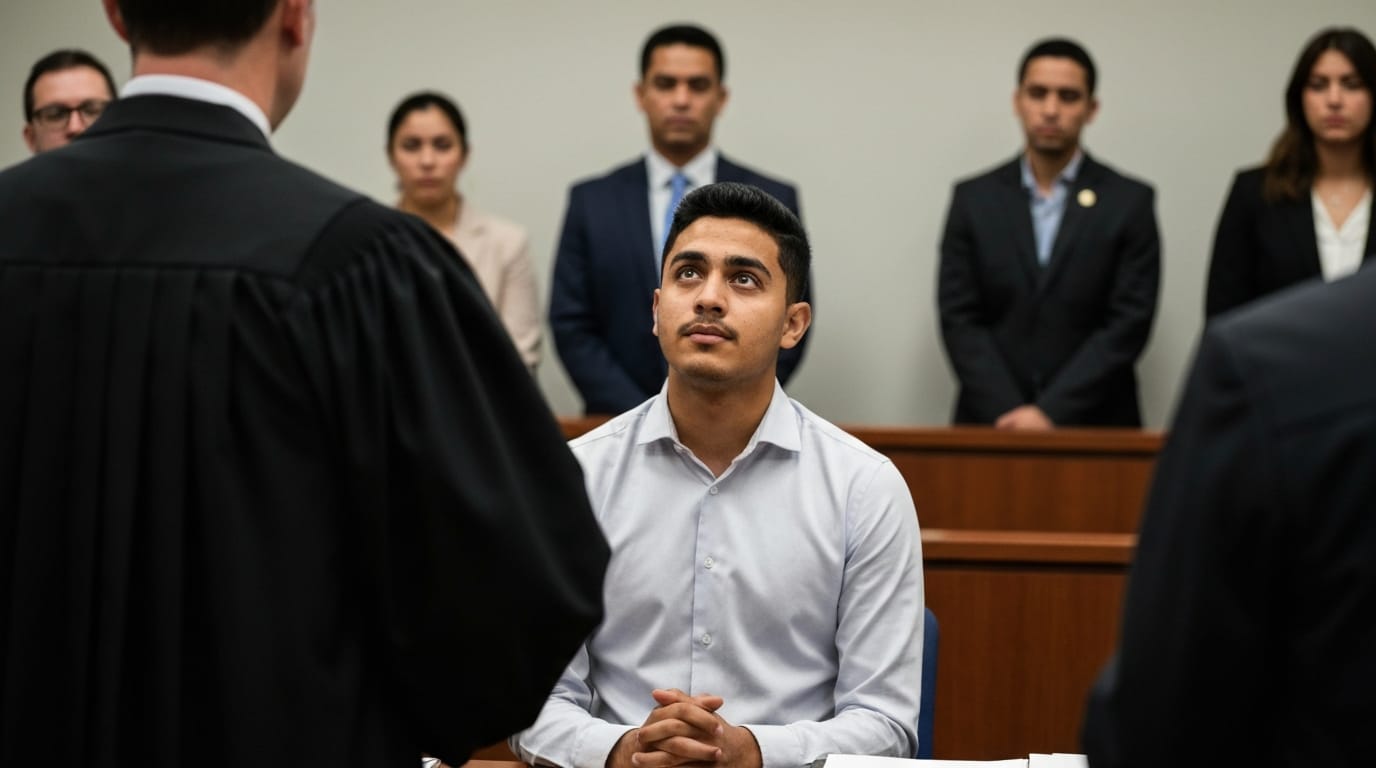
A federal judge has issued a significant ruling, temporarily halting the deportation of a Palestinian student activist, a decision that underscores the ongoing legal debate surrounding free speech rights for non-citizens in the United States. The order provides a reprieve for the student, whose case has drawn national attention and sparked broader discussions about academic freedom, political advocacy, and the scope of government power in immigration matters. The ruling highlights potential due process concerns and the importance of constitutional protections, even for those on temporary visas, marking a notable development in a case with wide-ranging implications.
A Legal Victory Amidst Mounting Scrutiny
The judicial intervention came in response to a petition filed by the student's legal team, challenging a deportation order initiated by immigration authorities. The judge's decision, specifically a temporary restraining order or preliminary injunction, found that the student had demonstrated a likelihood of success on the merits of their claims, particularly regarding potential violations of First Amendment rights and due process. This legal finding means the court saw substantial grounds to believe that the government's actions might have been unconstitutional or procedurally flawed, warranting an immediate pause to prevent irreparable harm to the individual. The move provides a critical opportunity for the student to fully present their case and for the court to conduct a thorough review of the government's allegations and the underlying legal framework.
The Heart of the Matter: Advocacy and Visa Revocation
At the center of the controversy is Malak Mattar, a recognized Palestinian artist and student enrolled at George Washington University. Mattar, who arrived in the U.S. on an F-1 student visa, faced imminent deportation after U.S. Citizenship and Immigration Services (USCIS) revoked her visa and initiated removal proceedings. The government's stated rationale for these actions often involves national security concerns or alleged violations of visa terms. However, Mattar's legal representatives have contended that the government's true motivation stemmed from her outspoken advocacy for Palestinian human rights and her artistic expressions, which often depict the realities of life in Gaza. Her art and public speaking engagements have gained international recognition, positioning her as a prominent voice on Palestinian issues, which her legal team argues became the basis for unwarranted scrutiny and subsequent punitive action. The revocation of her visa effectively cut short her academic pursuits and threatened her ability to continue her artistic work and advocacy from within the U.S.
Navigating Complex Legal Terrain: Free Speech and Due Process
The legal arguments presented in court delved into the complex interplay between immigration law, national security prerogatives, and constitutional rights. Mattar's legal team asserted that the government failed to provide adequate evidence to justify the revocation of her visa or the deportation order, suggesting that the actions were arbitrary and politically motivated. They argued that her advocacy, while potentially controversial to some, falls squarely within the bounds of protected free speech under the First Amendment, which courts have, in certain contexts, extended to non-citizens within the United States. Furthermore, they contended that the process leading to her visa revocation and deportation order lacked sufficient due process, denying her a fair opportunity to challenge the allegations against her. The judge's decision to temporarily block the deportation signals an acknowledgment of these serious legal questions, indicating that the court views the student's First Amendment and due process claims as substantial enough to warrant judicial intervention and further review. The outcome of this case could establish important precedents regarding the extent to which non-citizens can exercise free speech in the U.S. without risking their immigration status.
Broader Implications for Students, Scholars, and Activism
This ruling reverberates far beyond the individual case, sending a ripple effect through academic institutions, advocacy groups, and immigrant rights organizations. It highlights the precarious position of foreign students and scholars who engage in political speech, particularly on sensitive international issues. The case has raised concerns among universities about academic freedom and the potential chilling effect on open discourse if students fear deportation for expressing their views. Advocacy groups see the ruling as a crucial victory for free speech, suggesting that the government cannot easily silence dissenting voices, even those of non-citizens. Conversely, government agencies tasked with national security and immigration enforcement often emphasize their authority to regulate who enters and remains in the country, especially when perceived threats or visa violations are at play. The ongoing legal battle underscores the tension between these competing interests and will likely fuel continued debate about the balance between national security concerns and the fundamental rights enshrined in the U.S. Constitution.
The Path Forward: Scrutiny and Precedent
The federal judge's decision ensures that Mattar will not be immediately deported, allowing her legal team to pursue a more comprehensive challenge to the government's actions. The temporary block opens the door for a more thorough examination of the evidence (or lack thereof) presented by immigration authorities and a deeper legal analysis of the First Amendment and due process arguments. This case has drawn significant attention from civil liberties organizations, who view it as a test of the protections afforded to non-citizens engaging in political speech. Should the student ultimately prevail, it could set a powerful precedent, reinforcing the principle that the U.S. government cannot use immigration law as a tool to suppress lawful political expression. Conversely, if the government successfully appeals or ultimately prevails, it could broaden the scope of permissible actions against non-citizens based on their speech.
The federal judge's decision to block the deportation of the Palestinian student activist represents a critical moment in the ongoing national conversation about civil liberties, immigration enforcement, and the rights of non-citizens. By granting a temporary reprieve, the court has signaled the substantial nature of the legal and constitutional questions at stake, particularly concerning freedom of speech and due process. This ruling not only offers a measure of immediate relief to the individual involved but also sets the stage for a potentially landmark legal battle that could redefine the boundaries of political advocacy for foreign nationals in the United States and inform future judicial and policy decisions on these complex issues.


