Federal Judge Orders Release of Epstein Grand Jury Transcripts, Shattering Decades of Secrecy
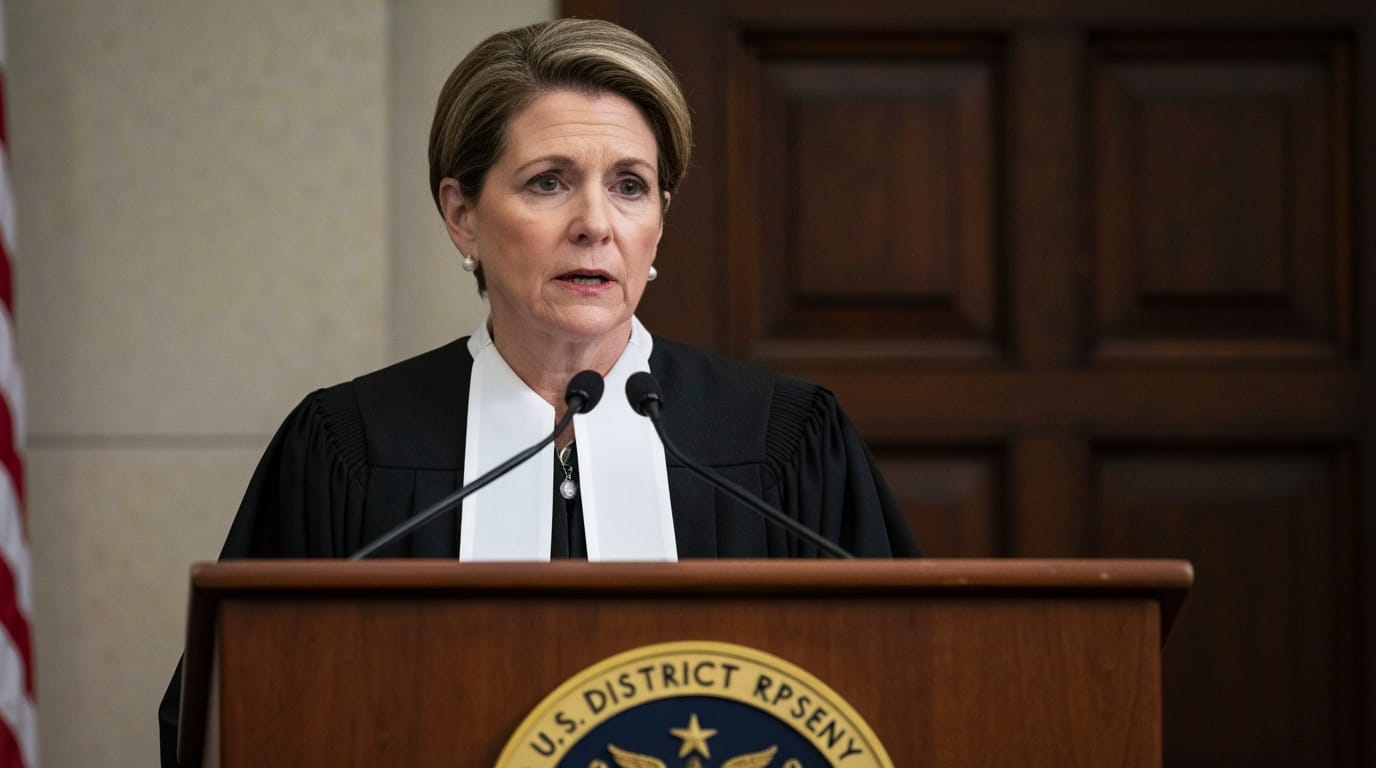
Orlando, Florida – In a pivotal legal development, a federal judge in Florida has ordered the unsealing of grand jury transcripts related to a long-dormant federal investigation into convicted sex offender Jeffrey Epstein. U.S. District Judge Rodney Smith's ruling Friday marks a significant victory for transparency advocates and victims, allowing public access to materials from the 2005 and 2007 West Palm Beach grand jury proceedings that preceded Epstein's controversial 2008 plea deal. The decision comes on the heels of the recently enacted "Epstein Files Transparency Act," a bipartisan legislative effort overriding the stringent secrecy typically afforded to grand jury records and pushing for greater accountability in a case that has captivated and horrified the nation.
A Landmark Ruling for Transparency
Judge Smith's order specifically addresses transcripts from the initial federal inquiries that examined Epstein's alleged abuse of underage girls in Florida. These grand jury proceedings, held nearly two decades ago, were part of an investigation that ultimately saw Epstein evade federal prosecution through a non-prosecution agreement with federal authorities, leading him instead to plead guilty to state charges of soliciting prostitution. The judge's decision directly cited the Epstein Files Transparency Act, signed into law by President Donald Trump last month, as the legal basis for overriding traditional federal rules that mandate the secrecy of grand jury materials.
For years, attempts by the Justice Department to unseal these very documents had been rebuffed by judges in both Florida and New York, who upheld the conventional protections surrounding grand jury secrecy. However, the new federal statute explicitly provides a pathway for the release of unclassified records pertaining to Epstein, compelling the Justice Department to disclose a vast trove of investigative materials. This legislative intervention, spurred by persistent public outcry and demands for a fuller accounting of Epstein's network, has fundamentally altered the legal landscape, prioritizing public interest over long-standing confidentiality norms in this high-profile case.
Unraveling the 2008 Plea Deal
The transcripts now slated for release are particularly significant because they stem from the original federal investigation in Florida, which predated the much-criticized 2008 non-prosecution agreement. That deal, orchestrated by then-U.S. Attorney Alexander Acosta, allowed Epstein to serve a mere 13 months in a county jail with extensive work-release privileges, effectively shielding him from more severe federal charges despite dozens of underage victims coming forward.
The contents of these grand jury records could shed crucial light on the information federal prosecutors possessed at the time, the scope of their investigation, and the factors that led to the decision not to pursue a federal indictment. This retrospective insight is vital for understanding why Epstein, a wealthy financier with connections to powerful figures, received what many considered an extraordinarily lenient sentence. The release may clarify whether key evidence was presented, how witnesses were handled, and the internal deliberations that shaped the federal government's approach to Epstein's initial criminal conduct. While state grand jury records from the period have already been made public, these federal transcripts offer a potentially deeper understanding of the federal government's engagement with the case.
Broader Implications and Ongoing Quest for Accountability
The unsealing of these Florida transcripts is part of a larger, concerted effort to bring greater transparency to all aspects of the Jeffrey Epstein saga. The Epstein Files Transparency Act sets a firm deadline of December 19 for the Justice Department to release all unclassified records and investigative materials related to the case. This mandate extends beyond grand jury transcripts, encompassing a wide array of documents that could include emails, financial records, and other evidence gathered during various federal investigations.
While the immediate focus is on the Florida proceedings, the Justice Department has also filed separate requests to unseal grand jury transcripts related to Epstein's 2019 federal sex trafficking indictment in New York and the subsequent 2021 prosecution of his longtime associate, Ghislaine Maxwell. Judges in New York are currently deliberating these requests, with decisions anticipated soon. Maxwell's legal team has voiced concerns that the release of grand jury materials in her case could prejudice her attempts to secure a new trial, arguing such disclosures contain "untested and unproven allegations" that could create "undue prejudice." However, her attorneys acknowledged the new law's requirement for disclosure.
The Justice Department has committed to redacting all victim-related and personal identifying information from the released documents to protect those who suffered at Epstein's hands. Crucially, the new law also stipulates that records cannot be withheld merely to prevent embarrassment or reputational damage to public figures, government officials, or foreign dignitaries, signaling a clear intent to prioritize truth over the protection of powerful individuals.
A Step Towards Full Disclosure
Jeffrey Epstein's criminal enterprise, which involved the sexual exploitation of numerous underage girls, spanned decades and implicated a vast network of individuals. His death by suicide in a New York jail cell in 2019 while awaiting trial for federal sex trafficking charges left many unanswered questions and fueled widespread speculation about potential accomplices and the extent of official complicity. Ghislaine Maxwell's subsequent conviction for facilitating his abuse further underscored the depth of his criminal network.
This latest ruling represents a significant step in the ongoing pursuit of full disclosure. By peeling back layers of secrecy, these grand jury transcripts have the potential to offer critical insights into the early stages of federal scrutiny, the decisions made, and the individuals involved. While the exact impact of the newly released documents remains to be seen, they contribute to a growing body of public information, fostering greater transparency and reinforcing the principle that even the most powerful individuals cannot permanently evade accountability. The public now awaits the December 19 deadline with heightened anticipation, hoping these revelations will bring a measure of clarity and justice to a case long shrouded in mystery and controversy.


