Federal Reserve Under Fire: DOJ Subpoenas Ignite Fears for Central Bank's Independence
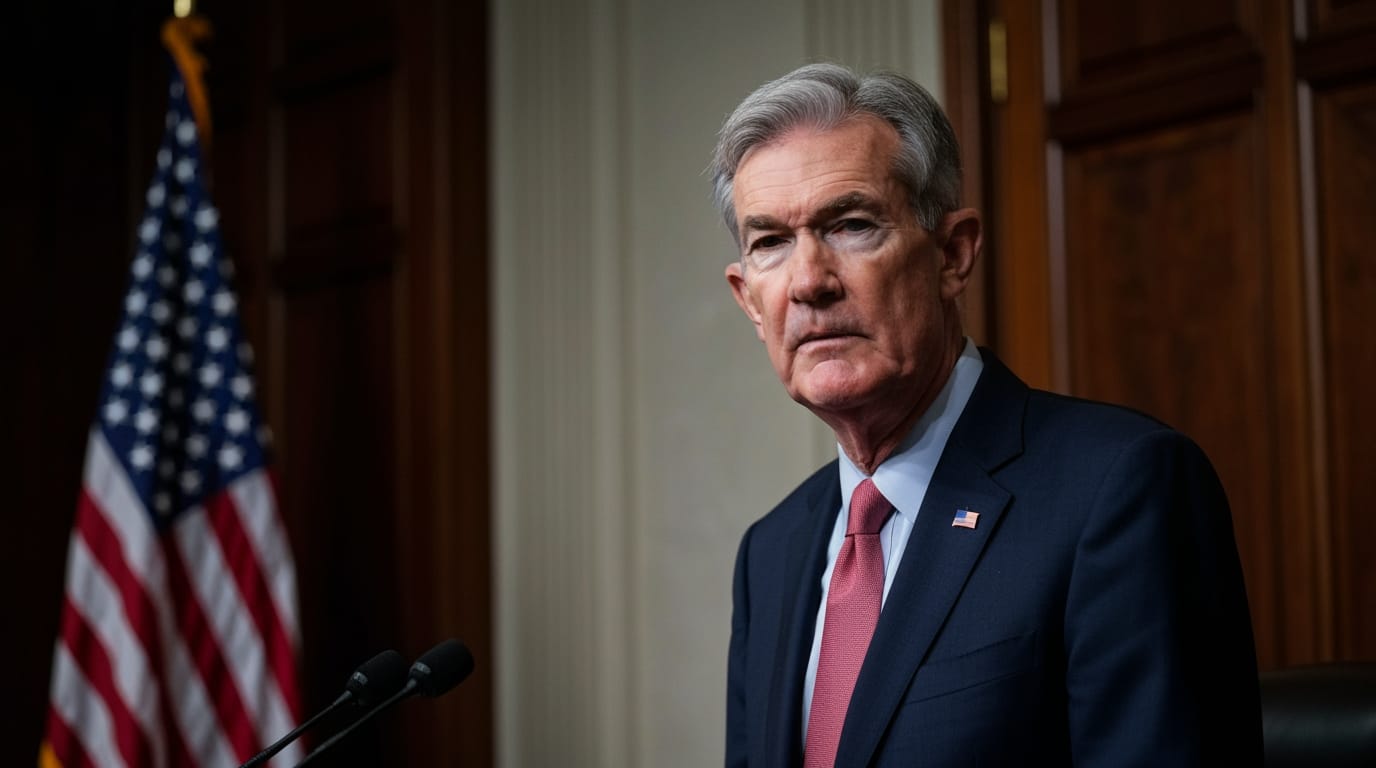
WASHINGTON D.C. – In an extraordinary escalation of tensions between the White House and the nation's central bank, Federal Reserve Chairman Jerome Powell announced Sunday that the Department of Justice (DOJ) has issued grand jury subpoenas to the Federal Reserve, threatening a criminal indictment related to his testimony about the institution's building renovations. Powell vehemently characterized the action as an "unprecedented" attempt to undermine the Fed's critical independence in setting monetary policy, asserting that the criminal charges are mere "pretexts" stemming from the central bank's refusal to align with presidential preferences on interest rates. The development sends shockwaves through financial markets and raises profound questions about the future autonomy of an institution historically shielded from direct political interference.
The subpoenas, served on Friday, January 10, 2026, pinpoint Powell's June 2025 testimony before the Senate Banking Committee. This testimony addressed a multi-year, multi-billion-dollar project to renovate historic Federal Reserve office buildings. While the DOJ, through U.S. Attorney Jeanine Pirro's office, approved an inquiry in November to analyze Powell's statements and spending records, the timing and nature of the subpoenas have drawn sharp criticism. Attorney General Pam Bondi has stated that U.S. Attorneys are instructed to prioritize investigations into the abuse of taxpayer dollars. However, Powell contends the focus on building renovations is a smokescreen, arguing that the threat of criminal charges is a direct consequence of the Federal Reserve's commitment to setting interest rates based on its assessment of public interest, rather than bending to the President's wishes.
This latest action by the Justice Department unfolds against a backdrop of persistent and often public friction between President Donald Trump and the Federal Reserve. For years, the President has been an outspoken critic of Powell and the central bank, repeatedly demanding faster and deeper cuts to interest rates. This pressure campaign has included attempts to influence the Fed's decisions and even efforts to remove officials who did not align with the administration's economic viewpoints. Notably, the administration previously sought to dismiss Fed Governor Lisa Cook and installed a close ally of the president onto the powerful board of governors, underscoring a broader strategy to exert greater control over the institution. Prior disputes often revolved around the perceived cost and opulence of the renovation project, with Office of Management and Budget Chair Russell Vought accusing Powell of overseeing an "ostentatious" renovation. President Trump himself had publicly cited higher figures for the renovation cost than those provided by Powell.
The potential criminal indictment of a sitting Federal Reserve Chairman for congressional testimony marks a significant and arguably unprecedented challenge to the central bank's institutional independence. The Federal Reserve's ability to conduct monetary policy free from political interference is considered a cornerstone of its effectiveness, allowing it to make decisions based on economic data and long-term stability rather than short-term political cycles. Experts and policymakers have long argued that this independence is crucial for maintaining market confidence, controlling inflation, and fostering sustainable economic growth. Any perception that the Fed's decisions could be swayed by political pressure or fear of legal repercussions risks undermining its credibility and potentially leading to erratic monetary policy with detrimental economic consequences, including increased inflation.
The gravity of the situation was underscored by Senator Thom Tillis, a Republican member of the Senate Banking Committee, who voiced strong concerns. Senator Tillis stated that he would oppose any future nominees to the central bank, including any potential replacement for Powell, until the legal matter is fully resolved. He highlighted the event as definitive proof that advisers within the Trump administration are actively working to dismantle the Federal Reserve's independence. While President Trump has denied knowledge of the specific investigation, his past rhetoric regarding Powell's performance and the renovation project demonstrates a clear divergence of priorities with the Fed leadership. With Chairman Powell's term set to expire in May, and the administration having previously signaled a willingness to name a potential replacement, the coming months will be critical in determining the extent to which the Federal Reserve can maintain its autonomy in the face of such intense political pressure.


