Federal Standoff Escalates: US Weighs Halting Immigration at Sanctuary City Airports
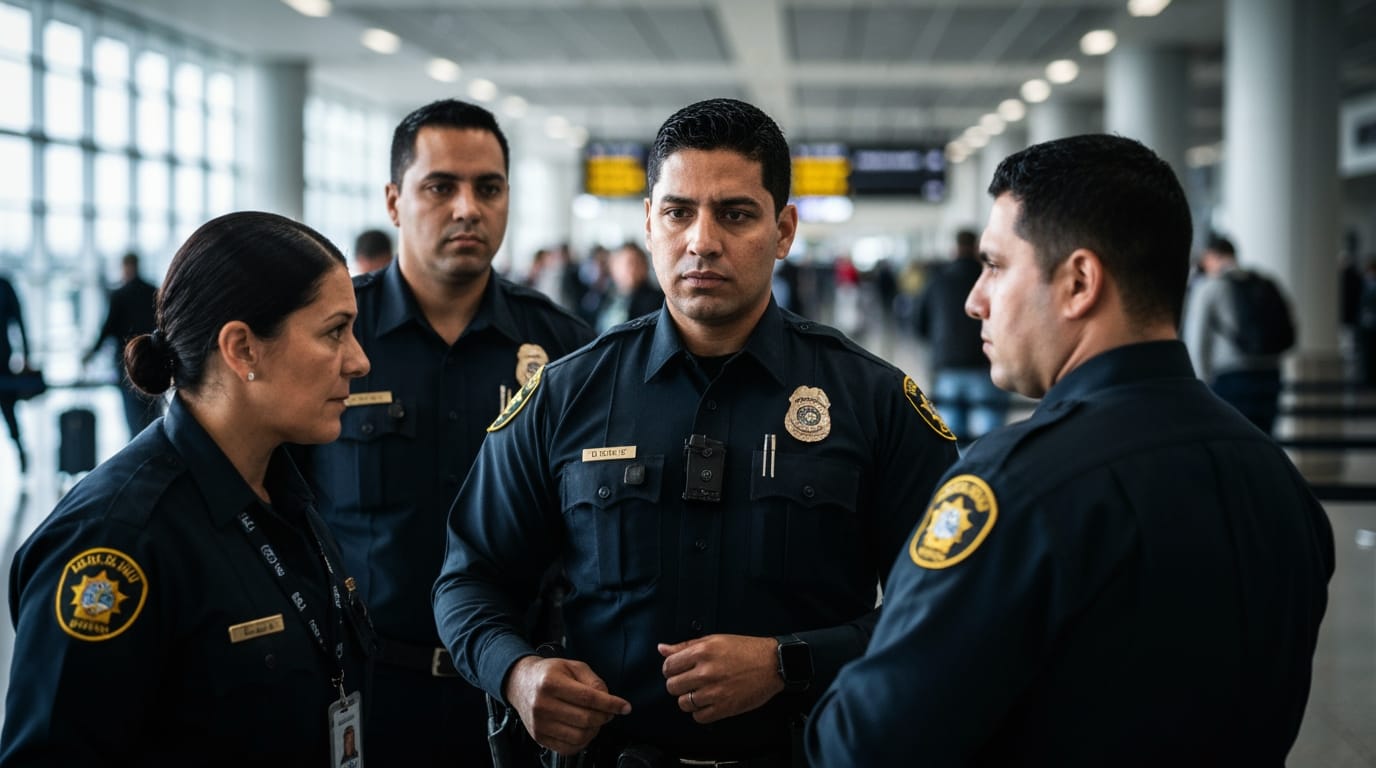
WASHINGTON — The U.S. government is actively developing plans that could lead to a drastic measure: halting international travel and cargo processing at major airports located within "sanctuary cities" nationwide. Homeland Security Secretary Markwayne Mullin has indicated this move is under consideration should these cities continue to decline cooperation with federal immigration enforcement efforts. This potential policy shift could trigger significant economic and logistical disruptions across the country, particularly in key travel and trade hubs.
The announcement marks an escalation in the ongoing tension between the federal administration and local jurisdictions that have adopted sanctuary policies. Secretary Mullin, during a recent interview, stated that if cities refuse to enforce immigration policies, it would be illogical for federal agencies to process international travelers through those locations. While no final decision has been made, discussions with White House officials have taken place, and Mullin privately conveyed these possibilities to U.S. travel executives earlier this month. Airports in major metropolitan areas including New York City, Los Angeles, Chicago, Denver, Philadelphia, Newark, Seattle, and San Francisco have been specifically identified as potential targets for such action.
The Heart of the Matter: Defining Sanctuary
The term "sanctuary city" lacks a precise legal definition, but it generally refers to jurisdictions that limit their cooperation with federal immigration authorities. These policies aim to prioritize the safety and well-being of all residents by restricting local law enforcement's involvement in federal detention and deportation efforts. Sanctuary policies often include measures such as declining to honor administrative detainer requests from Immigration and Customs Enforcement (ICE) without a judicial warrant, or prohibiting local police from inquiring about immigration status in routine encounters. Advocates for sanctuary policies contend that these measures build trust between immigrant communities and local law enforcement, encouraging individuals to report crimes and access essential services without fear of deportation. The movement gained traction in the 1980s, offering refuge to Central American asylum seekers, and today, hundreds of cities and about a dozen states operate under some form of sanctuary policy.
Conversely, critics argue that sanctuary policies undermine the rule of law and obstruct federal efforts to enforce immigration statutes. They assert that such policies create havens for individuals who have violated federal immigration laws, potentially compromising public safety. The current administration views the non-cooperation of these cities as a direct impediment to its immigration enforcement agenda, prompting the consideration of more assertive federal responses. The Department of Justice has previously compiled lists of jurisdictions considered to be sanctuaries, many of which are located in states with major international airports.
Widespread Economic Fallout Feared
The prospect of withdrawing Customs and Border Protection (CBP) officers from international airports has ignited alarm across the travel and tourism sectors. Industry groups, including Airlines for America and the U.S. Travel Association, have strongly cautioned against such a move, predicting a "devastating effect" on airlines, tourism, and the flow of international cargo. Without CBP personnel to conduct passport control and customs inspections, international flights would be unable to legally de-plane passengers, effectively halting inbound and outbound international air travel at affected airports. Similarly, cargo operations, which rely heavily on CBP for freight release and agriculture inspections, would face severe disruption.
The economic ramifications could be substantial. Millions of international travelers arrive annually at the targeted airports, contributing billions of dollars to local and national economies. The U.S. Travel Association estimates potential economic losses exceeding a billion dollars per month if foreign tourists and business travelers are forced to reroute. Furthermore, the timing of this proposed action, potentially occurring after the FIFA World Cup set to commence in early June, adds another layer of concern, given the anticipated influx of international visitors for major events. Even Transportation Secretary Sean Duffy has expressed reservations, stating that shutting down air travel in states that do not align with federal politics does not make sense.
Legal Battlegrounds and Precedent
The federal government's authority to implement such a policy is likely to face immediate and formidable legal challenges. Past attempts by the administration to penalize sanctuary jurisdictions, particularly through the withholding of federal funds, have been largely unsuccessful in court. Federal courts have previously struck down efforts to cut funding to these cities, citing Supreme Court precedent that limits the federal government's ability to coerce state and local governments through spending power.
Legal experts assert that sanctuary jurisdictions generally possess a constitutional right to limit their involvement in enforcing federal immigration laws. The anti-commandeering doctrine, rooted in the Tenth Amendment, prevents the federal government from compelling states and localities to enforce federal programs. City officials in San Francisco and Chicago have already indicated their intent to sue should the administration proceed with this plan, arguing that such a move would be punitive and exceed the Department of Homeland Security's authority. While the administration retains some discretion to reassign personnel, legal challenges could arise under statutes requiring the federal government to provide customs services at designated ports of entry. A bipartisan group of lawmakers is also reportedly drafting legislation that would require significant notice and a public-interest finding before DHS could reassign a substantial portion of airport staff.
An Uncertain Path Forward
The proposed plan to halt immigration and customs processing at airports in sanctuary cities represents a significant escalation in the federal government's ongoing battle over immigration enforcement. While the administration views this as a necessary step to compel cooperation, the potential economic fallout and complex legal landscape suggest a tumultuous path ahead. The travel industry is bracing for potential disruptions, and cities are preparing for legal challenges, highlighting the deep divide between federal and local authorities on immigration policy. The outcome of this standoff remains uncertain, but its implications could reshape international travel and commerce for years to come.


