Federal Terror Probe Launched After Arson Attack Plunges Berlin into Darkness
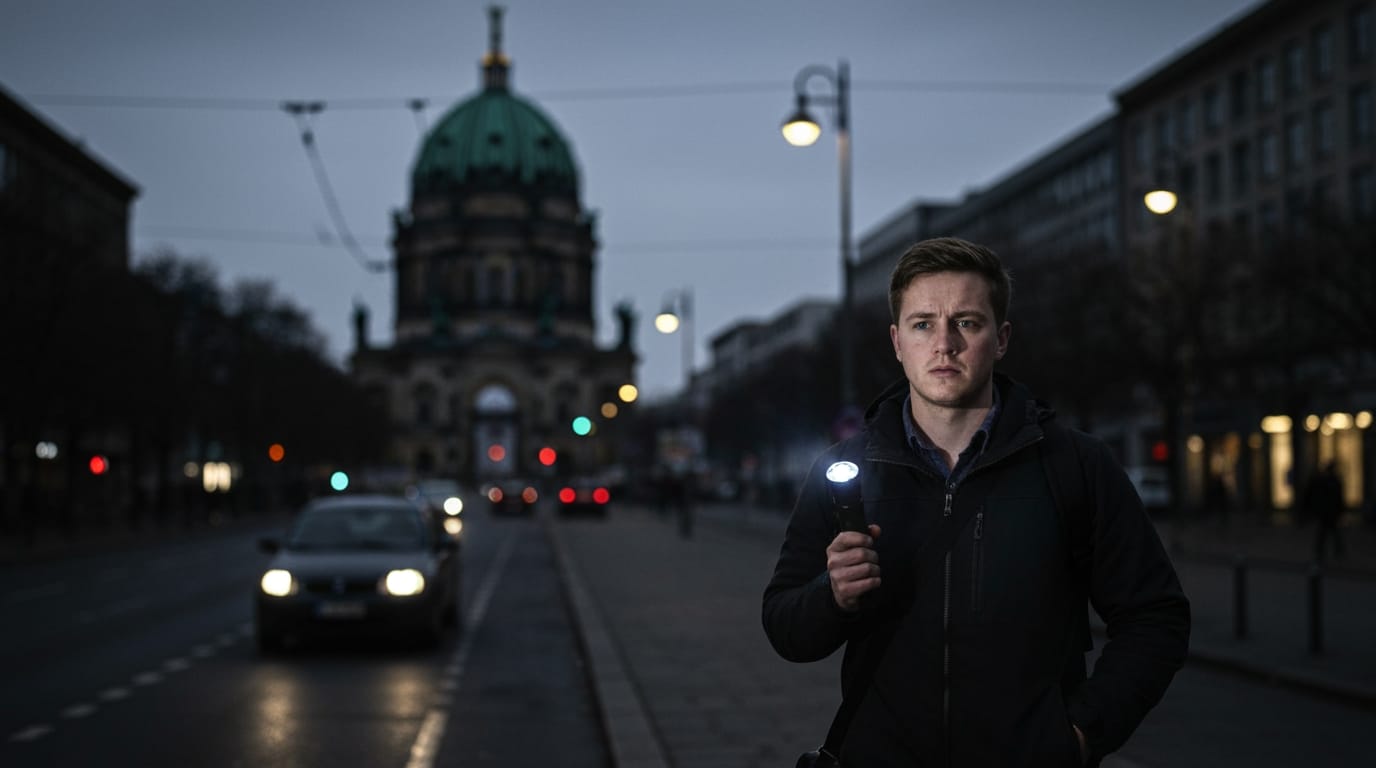
BERLIN, Germany – German federal prosecutors have initiated a terrorism investigation following an arson attack on high-voltage power cables that triggered a widespread blackout across southwest Berlin on January 3, 2026. The incident, which left up to 50,000 households and thousands of businesses without electricity and heating amidst freezing temperatures, has been claimed by a far-left extremist group and underscored the acute vulnerability of critical infrastructure.
The Federal Prosecutor General (Generalbundesanwalt) took over the probe on January 6, citing the "particular significance of the individual case" and outlining charges that include membership in a terrorist organization, sabotage, arson, and disruption of public services. This escalation reflects the gravity with which German authorities are treating the deliberate act of sabotage, which severely disrupted daily life and endangered vulnerable populations in the capital.
The Attack That Shut Down a City
The coordinated arson attack occurred early on Saturday, January 3, targeting a cable bridge over the Teltow Canal near the Lichterfelde power plant. Incendiary devices were used to set fire to several high-voltage cables, causing extensive damage that severed power supply to numerous districts. Initial reports indicated that approximately 45,500 homes and 2,200 businesses were immediately affected, with the outage impacting crucial services including heating, hot water, and even mobile phone networks. Repair efforts were complicated by the severe damage and sub-zero temperatures, with full restoration of power not expected until January 8.
Berlin’s Mayor Kai Wegner vehemently condemned the incident, stating that "suspected left-wing extremists knowingly put lives at risk, especially those of patients in hospitals, as well as the elderly, children and families." The city swiftly declared a state of emergency, establishing emergency shelters equipped with charging stations and offering to cover hotel costs for residents displaced by the blackout. The disruption also affected hospitals and nursing homes, some of which had to evacuate patients and residents due to the loss of power.
The "Volcano Group" and its Ideology
Responsibility for the attack was swiftly claimed by a far-left extremist group identifying itself as "Vulkangruppe" (Volcano Group) through an online statement. In their communication, the group articulated an anti-fossil fuel and anti-corporate ideology, asserting that they were targeting "the fossil fuel economy" and protesting against the perceived environmental destruction driven by "the greed for energy." The group’s statement notably included an apology to less affluent residents affected by the blackout but expressed no sympathy for wealthy homeowners in the targeted neighborhoods, which they claimed were deliberately chosen to "cut the juice to the ruling class."
This is not the first time the Vulkangruppe has come to the attention of authorities. Domestic intelligence services indicate the group has been active since 2011, involved in numerous arson attacks on critical infrastructure across Berlin and the surrounding state of Brandenburg. Their past targets include railway lines, radio masts, and power supply systems. Notably, the group also claimed responsibility for an arson attack in March 2024 that disrupted power lines supplying the Tesla Gigafactory near Berlin, halting production for days. German officials, including Berlin's Interior Senator Iris Spranger, have consistently characterized such actions as "left-wing terrorism."
National Security Implications and Infrastructure Vulnerability
The Berlin blackout has reignited a critical debate surrounding the security and resilience of Germany's vital infrastructure. The incident marks the second major power outage in Berlin due to suspected arson within months, following a September 2025 attack that left tens of thousands without power for approximately 60 hours. These events, alongside previous attacks on railway facilities and communication networks, highlight a troubling pattern of politically motivated sabotage.
Industry associations, such as the BDEW, have voiced concerns that current transparency requirements for critical infrastructure might inadvertently provide blueprints for potential attackers. They are calling for a reassessment of regulations that oblige network operators to publish sensitive information, suggesting that security considerations should, in some cases, outweigh the push for open data. Experts point out that such attacks, while requiring little specialized knowledge, can have dramatic and far-reaching consequences, exposing the vulnerabilities inherent in densely interconnected urban systems.
The economic fallout from the recent blackout is also expected to be significant, with business lobby groups estimating losses in the millions of euros for affected companies. The repeated targeting of infrastructure has raised questions about Germany's preparedness and response mechanisms for such "hybrid threats," particularly in a geopolitical landscape where state-sponsored destabilization efforts are also a concern.
Looking Ahead: Repair, Resilience, and Investigation
As repair crews race against time and the elements to restore full power to all affected areas by the January 8 deadline, the federal terror probe continues its meticulous work. Investigators are analyzing video footage, following up on tips, and scrutinizing the authenticity of the Vulkangruppe's claim of responsibility. While initial assessments rule out foreign involvement and focus on domestic left-wing extremism, the long-term implications for Germany's national security strategy and the protection of its critical assets remain a paramount concern.
The Berlin blackout serves as a stark reminder of how easily modern societies can be brought to a standstill by targeted acts of sabotage. The ongoing investigation will determine the full extent of the conspiracy and the individuals responsible, but the incident has already prompted urgent calls for enhanced physical and cybersecurity measures to safeguard the essential services that underpin everyday life. The challenge now for German authorities is not only to apprehend the perpetrators but also to fortify the nation's infrastructure against a growing array of threats, ensuring that such disruptions do not become a more frequent reality.