Finland's Nuclear Pivot: A Strategic Leap Towards Energy Sovereignty and Russian Disengagement
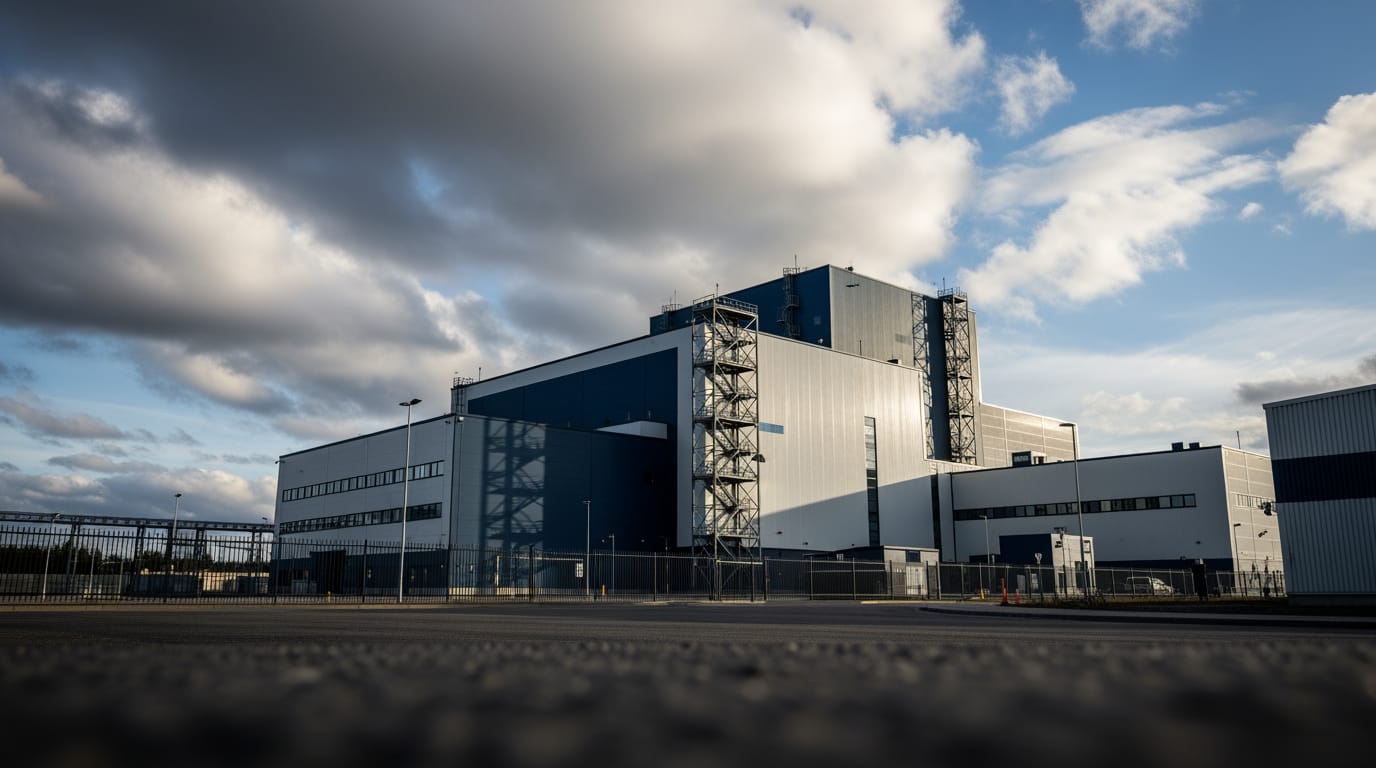
HELSINKI – In a profound geopolitical shift, Finland has decisively embarked on an ambitious nuclear power strategy to shed its historical reliance on Russian energy, a move accelerated by the full-scale invasion of Ukraine in February 2022. The commissioning of the Olkiluoto 3 (OL3) nuclear reactor and the swift cancellation of a Russian-backed project underscore Finland's commitment to energy independence, transforming its energy landscape and bolstering national security. The nation, sharing a 1,300-kilometer border with Russia, has demonstrated a rapid and comprehensive decoupling from its eastern neighbor's energy supply, setting a precedent for other European states.
The Geopolitical Catalyst: An Urgent Reassessment
For decades, Finland maintained a complex energy relationship with Russia, importing approximately one-third of its total energy and a substantial portion of its crude oil, natural gas, and electricity. However, Russia's aggression in Ukraine served as a stark awakening, exposing the vulnerabilities inherent in such dependencies. As Moscow cut off electricity supplies to Finland in May 2022, reportedly due to payment disputes, Helsinki was compelled to urgently re-evaluate its energy infrastructure. This critical juncture galvanized Finland's resolve to achieve energy autonomy, recognizing that strategic self-sufficiency was paramount for national sovereignty in a volatile geopolitical environment. Finnish Minister of Climate and the Environment, Sari Multala, articulated this sentiment, stating the nation "cannot depend on a hostile partner."
Olkiluoto 3: A Beacon of Self-Sufficiency
Central to Finland's energy independence drive is the Olkiluoto 3 nuclear power plant, which began commercial operations in April 2023. The 1,600-megawatt European Pressurized Water Reactor (EPR) is the largest nuclear power generation unit in Europe and the third largest globally, representing a colossal investment and a testament to perseverance. Its journey to operation was protracted, with construction commencing in 2005 and originally slated for completion in 2009, suffering numerous delays. Despite the challenges and a final cost that nearly quadrupled to an estimated €11 billion, OL3's strategic value now outweighs its turbulent development history.
The impact of OL3's launch was immediate and significant. The reactor alone supplies approximately 14% of Finland's electricity demand, and combined with the existing Olkiluoto 1 and Olkiluoto 2 units, nearly one-third of the country's electricity now originates from the Olkiluoto island. This monumental addition has propelled Finland towards near self-sufficiency in electricity supply, increasing nuclear energy's share in the national electricity production from 28% in 2022 to 39%. Preliminary data from 2024 indicates that 95% of Finland's electricity production originated from fossil-free sources, with nuclear power forming the single largest component.
Abandoning Russian Ties: The Hanhikivi Cancellation
While OL3 symbolizes Finland's proactive nuclear future, the abrupt cancellation of the Hanhikivi 1 nuclear power plant project underscores its definitive break from Russian energy entanglement. Initiated with Russia's state nuclear corporation Rosatom, the Hanhikivi project was designed to host a 1,200 MWe AES-2006 VVER reactor, with Rosatom holding a 34% minority stake in the Finnish consortium Fennovoima. However, the war in Ukraine irrevocably altered its fate.
In May 2022, Fennovoima terminated its contract with Rosatom, citing "significant delays" and "increased risks resulting from the war in Ukraine." Finland's economy minister declared it "absolutely impossible" to grant a construction permit for the Russian-backed project following the invasion. The cancellation sparked a bitter legal dispute, with both Rosatom and Fennovoima filing multibillion-euro claims for damages, leading to ongoing international arbitration proceedings. This decisive action, despite the financial repercussions, sent an unequivocal message about Finland's determination to sever energy ties that carried geopolitical risks.
Beyond Reactors: A Holistic Energy Transformation
Finland's energy transformation extends beyond large-scale nuclear plants. The nation has pursued a comprehensive strategy to diversify its entire energy mix away from Russian sources. Imports of Russian crude oil have been replaced by supplies from Norway, the UK, and the United States, while natural gas, previously accounting for 5% of the energy mix, is now sourced as liquefied natural gas (LNG), facilitated by a new floating LNG terminal in Inkoo. The country is also significantly boosting its wind power capacity, with an "exceptional amount" of new wind power commissioned in recent years.
Looking ahead, Finland is focused on its long-term energy security and environmental goals. The nation aims for carbon neutrality by 2035, relying heavily on its expanded nuclear fleet and growing renewable energy sectors. Finland is also nearing completion of the world's first deep geological repository for spent nuclear fuel, Onkalo, designed to safely store high-level waste for millennia, showcasing a full-lifecycle commitment to nuclear power. Furthermore, Finland's Minister of Climate and the Environment has advocated for the European Union to expand its RePower Europe initiative, which aims to phase out Russian oil and gas, to include the nuclear energy sector, recognizing nuclear's critical role in achieving energy independence across the bloc. While challenges remain, particularly in diversifying uranium supplies for older reactors still reliant on Russian sources, Finland's proactive measures demonstrate a concerted effort to mitigate all remaining energy dependencies.
Conclusion: A Model for Energy Resilience
Finland's strategic shift in its energy policy represents a pivotal response to an altered geopolitical reality. By accelerating its nuclear power ambitions, particularly with the successful operation of Olkiluoto 3 and the termination of the Hanhikivi project, the country has made significant strides toward energy sovereignty. This transformation not only enhances Finland's national security but also provides a compelling case study for other nations seeking to reduce reliance on potentially unreliable energy suppliers. The journey, while marked by substantial investments and complex challenges, underscores a firm commitment to a future powered by secure, domestic, and low-carbon energy sources.