Food Crisis Deepens in Iran as War and Economic Woes Drive Prices Skyward
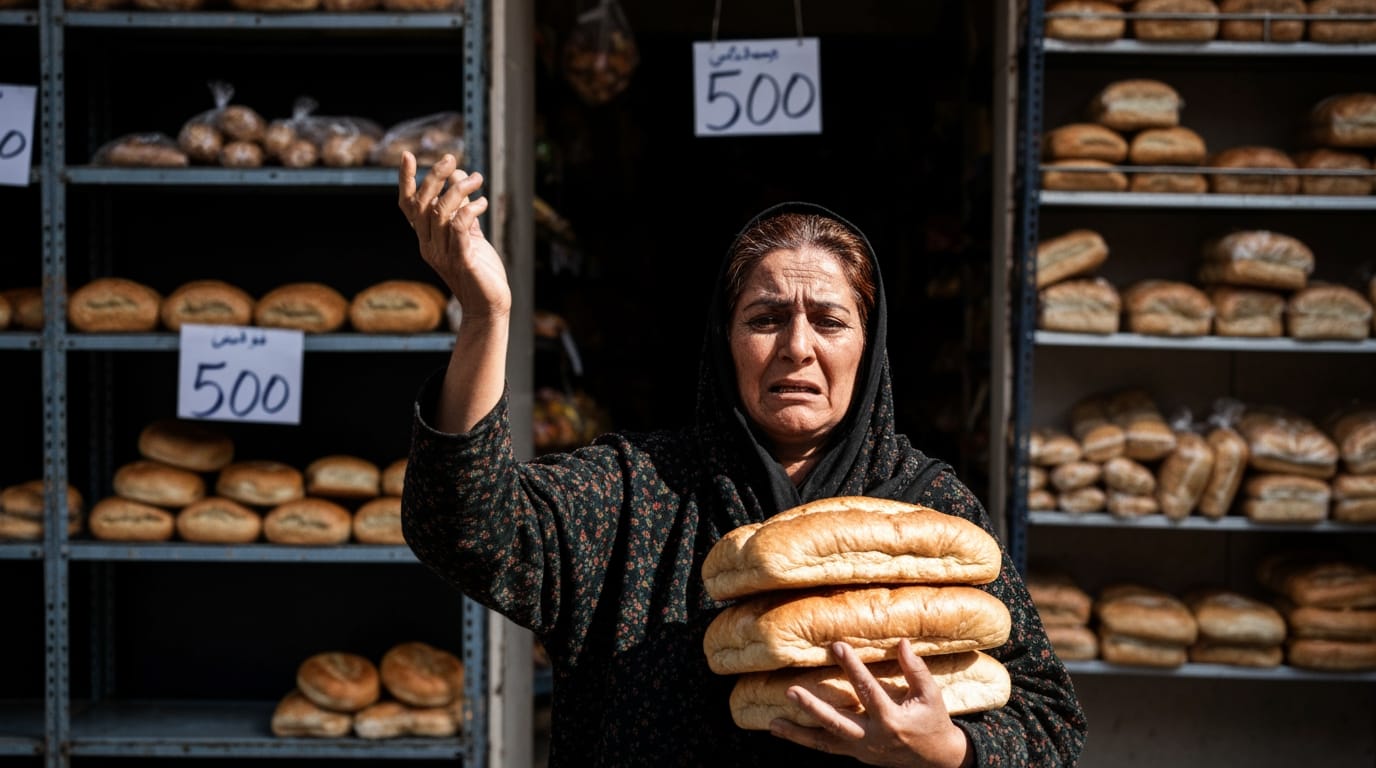
TEHRAN – Families across Iran are facing an increasingly dire struggle to afford basic necessities as food prices continue their relentless ascent, driven by a confluence of regional conflicts, crippling international sanctions, and persistent domestic economic instability. The soaring cost of staples, coupled with a severely devalued national currency, has pushed millions closer to the brink of food insecurity, transforming everyday grocery shopping into an arduous and often disheartening endeavor.
The economic landscape in Iran has been marred by a spiraling inflationary trend, exacerbated significantly by recent regional conflicts. The annual inflation rate surged to a staggering 77.2% year-on-year between April 21 and May 20, 2026, marking the highest rate recorded in the country since 1942. On a point-to-point basis, inflation for goods exceeded 113%, underscoring the rapid pace at which daily essentials are becoming unaffordable. This drastic depreciation of the Iranian rial against major foreign currencies has made imports prohibitively expensive. Between October 2014 and October 2024, the rial saw an approximate 37% depreciation, with a further steep decline of over 30% against major currencies since January 2024 alone. This rapid devaluation was notably compounded following heightened tensions between Iran and Israel in April 2024. As the purchasing power of the average Iranian diminishes, with the median net salary growing by only 33% between 2020 and 2023 amidst inflation surpassing 50%, the struggle to maintain a basic standard of living intensifies.
Regional instability, particularly the "Iran War" and its ramifications for global supply chains, has emerged as a significant accelerator of the food crisis. The conflict, often linked to a broader US-Israeli war against the Islamic Republic and Iranian retaliation, has led to disruptions, especially through the critical Strait of Hormuz. This vital waterway, through which a substantial portion of the world's oil, natural gas, and fertilizer trade passes, has seen shipping severely impacted, driving up global energy and transport costs. For Iran, heavily reliant on imports for many food items and agricultural inputs, these disruptions translate directly into higher prices at local markets. The World Bank projects that fertilizer prices, crucial for agricultural production, could jump an average of 31% this year due to these disruptions. Beyond direct conflict, international sanctions, re-imposed particularly by the United States, have long weakened Iran's economy by targeting its oil sector and banking systems. These measures restrict Iran's ability to earn foreign currency and import essential goods, including vital food products, seeds, fertilizers, and agricultural machinery, thereby escalating production costs and overall food prices.
The direct impact on consumers is stark and immediate. Food and beverage prices in Iran have nearly tripled, increasing by 194% from March 2021 to August 2024. Specific staples have seen even more dramatic increases: the price of rice surged 2.11 times between 2012 and 2023, bread rose 3.4 times from 2011 to 2023, and potatoes tripled in price over the same period. More recently, bread prices increased by 66% and milk prices by 25% over a period of several weeks in 2024. By May 2026, vegetable oil prices had jumped 308% annually, chicken 190%, and rice 170%. The average worker's cost-of-living basket climbed from 300 million rials (approximately $325) to 380 million rials (approximately $413) between December 2024 and February 2025. With the minimum monthly wage for a worker with two children reported at just $120, a healthy diet has become nearly impossible for many. This has forced a fundamental shift in consumer behavior, with many shoppers opting for cheaper alternatives, reducing their purchases, or even resorting to buying basic food items like meat and dairy on installment plans.
The growing economic hardship has significantly expanded the ranks of the food insecure. Approximately 32 million Iranians, accounting for over one-third of the population, were living below the poverty line by March 2022 and are now contending with food insecurity. This figure marks a substantial increase from around 18 million people in 2017 to over 26 million by early 2020. The poverty rate reached 30.1% in 2023, indicating that at least one-third of the population could not meet their basic needs. Even before the 2026 war, between 35% and 40% of Iran's citizens were living near the poverty line on less than $10 a day. The crisis has also affected the broader economy, with cafes and restaurants in Tehran reportedly struggling due to surging supply costs. The United Nations World Food Programme (WFP) has highlighted the broader global impact of the conflict, warning that millions more people could be pushed into acute hunger worldwide, particularly in already vulnerable countries like Somalia, Afghanistan, and Sri Lanka.
In response to the escalating crisis, the Iranian government has implemented various measures. These include efforts to crack down on hoarding and market manipulation, alongside considering increased subsidies and tax relief. A "resistance economy committee" was also launched to address price gouging and shortages. However, government reforms, such as the elimination of subsidized exchange rates for basic goods and animal feed imports, while aimed at curbing corruption, are simultaneously expected to lead to further price hikes of 20% to 30% for staples such as chicken, eggs, and cooking oil. Officials have acknowledged the depth of the country's economic problems, with President Masoud Pezeshkian attributing Iran's economic woes to "economic warfare" by the United States. However, critics suggest that internal mismanagement and the entrenched influence of entities like the Iranian Revolutionary Guard Corps (IRGC) in the economy also contribute to inefficiencies and corruption in the agricultural and food sectors.
The confluence of protracted regional conflicts, stringent international sanctions, and domestic economic challenges has created a profound and multifaceted food crisis in Iran. The struggle to afford basic foodstuffs is not merely an abstract economic indicator but a daily reality for millions of Iranian families, reflecting a deep societal strain. As the costs of essential goods continue to outpace wages and the broader global and regional landscape remains volatile, the prospect of widespread food insecurity and deepening poverty continues to cast a long shadow over the nation.


