Former Energy Minister Arrested in Nepal Amid Escalating Anti-Corruption Drive
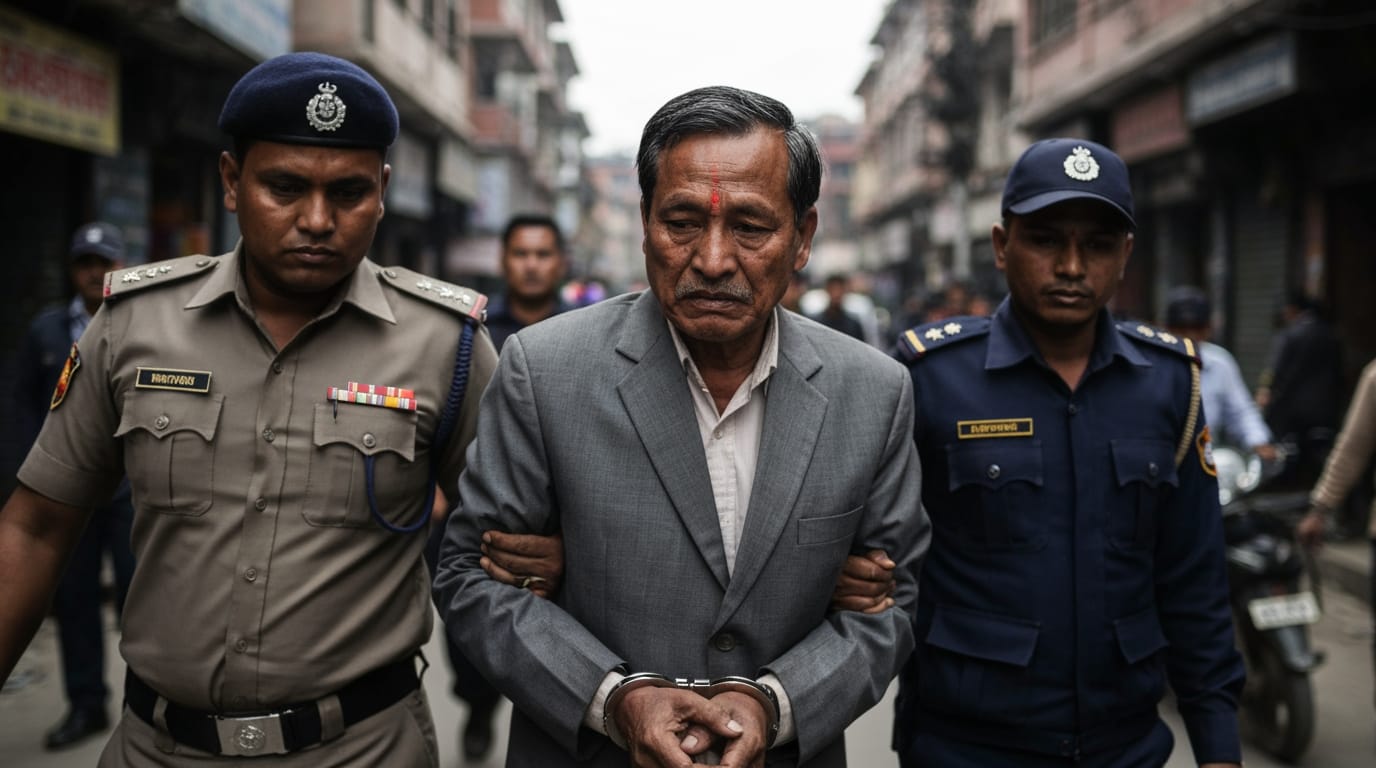
Kathmandu, Nepal – Dipak Khadka, a prominent leader of the Nepali Congress and former Energy Minister, was arrested Sunday on allegations of money laundering, marking a significant development in Nepal’s intensifying campaign against corruption. The high-profile detention comes as part of a wider crackdown initiated by the nation's new government, scrutinizing the financial probity of past administrations and public figures. The arrest is directly linked to an incident during last September's widespread "Gen Z protests," when large sums of cash were reportedly discovered at his residence, igniting public outrage and prompting official investigation.
The Arrest and Initial Investigation
Nepali police, acting on a request from the Department of Money Laundering Investigation, took Dipak Khadka into custody on March 29, 2026. The Central Investigation Bureau (CIB) of Nepal Police confirmed the arrest, stating that the former minister is under probe for money laundering activities. The investigation gained traction following a widely publicized event during the September 2025 youth-led protests. As demonstrators set fire to Khadka's residence, videos quickly circulated online depicting bundles of cash being thrown into the air, ostensibly from within his property. This visual evidence served as a crucial catalyst, leading to questions about the origins of the wealth and subsequently, a formal money laundering inquiry. Spokesperson for the CIB, Shiva Kumar Shrestha, indicated that the Department of Money Laundering Investigation would oversee the probe.
The Genesis of Public Outcry: Gen Z Protests
The September 2025 "Gen Z protests" were a watershed moment for Nepal, fundamentally altering its political landscape. What began as a localized response to a brief social media ban quickly escalated into a broad-based movement against deep-seated corruption and pervasive economic hardship. The youth-led uprising channeled years of public frustration, demanding accountability from government officials and an end to endemic graft. Demonstrations turned violent in some instances, with protesters targeting government buildings and the residences of prominent politicians. An inquiry commission later reported that at least 76 people were killed during a security crackdown on September 8 and 9.
The intensity of these protests ultimately led to the collapse of the previous administration led by K.P. Sharma Oli. It was amidst this tumultuous period that Khadka’s residence became a focal point of public scrutiny, with the viral videos of cash fueling accusations of illicit wealth and misuse of public office. Images and videos of burnt currency fragments were also reported at the residences of other political figures, including former Prime Minister Sher Bahadur Deuba, with forensic tests later confirming their authenticity. These incidents underscored the profound public distrust in political elites and amplified calls for stringent measures against financial misconduct.
A Broader Sweep: The Anti-Corruption Offensive
Khadka's arrest is not an isolated incident but rather a component of a larger, concerted effort to tackle corruption in Nepal. It follows closely on the heels of other high-profile detentions, most notably those of former Prime Minister K.P. Sharma Oli and former Home Minister Ramesh Lekhak. Both were arrested a day prior to Khadka, facing charges related to their alleged roles in the deadly crackdown on the September anti-corruption protests. An independent inquiry commission had previously recommended their prosecution for negligence in failing to prevent security forces from firing on protesters.
This wave of arrests coincides with a significant shift in Nepal's political leadership. Following elections held earlier this month, the Rastriya Swatantra Party (RSP), led by rapper-turned-politician Balendra Shah, secured a landslide victory. Prime Minister Shah formally took office recently and his new government has wasted no time in unveiling an ambitious 100-point agenda for governance reform. A cornerstone of this agenda is the commitment to establish a dedicated investigation committee tasked with scrutinizing the assets of politicians and high-ranking state employees. This renewed focus on accountability signals a potentially transformative period for Nepalese governance, moving beyond rhetoric to concrete action against corruption.
Past Controversies and Public Scrutiny
Dipak Khadka's career as Energy Minister was not without its share of controversies, which may provide additional context to the current investigation. During his tenure, Khadka reportedly became embroiled in disputes related to the management of Nepal's hydropower projects. He was also known for openly clashing with Kul Man Ghising, the then-Managing Director of the Nepal Electricity Authority (NEA), a confrontation that eventually led to Ghising's removal from his post. These past events, coupled with allegations concerning the issuance of licenses and awarding of contracts for hydropower projects, suggest a history of public and official scrutiny regarding his financial dealings and decision-making processes while in office. Furthermore, disputes over the Scout land in Lainchaur have also implicated him, adding another layer to the ongoing investigation into his assets and financial conduct.
Implications for Nepal's Political Future
The arrest of Dipak Khadka, alongside other prominent political figures, underscores a pivotal moment for Nepal's democracy and its struggle against systemic corruption. The new government, under Prime Minister Balendra Shah, appears to be making good on its electoral promises to establish greater accountability and transparency within the political establishment. These arrests send a strong message that no individual, regardless of their past position or political affiliation, is above the law. The ongoing investigations, particularly those initiated by the Department of Money Laundering Investigation, could potentially uncover extensive networks of illicit financial activities, leading to further arrests and significant reforms.
This aggressive stance against corruption reflects the deep-seated frustration of the Nepalese populace, particularly the youth who spearheaded the "Gen Z protests." The outcomes of these investigations and subsequent legal proceedings will be closely watched by citizens and the international community alike, as they will undoubtedly shape public trust in governmental institutions and define the trajectory of political accountability in Nepal for years to come. The ongoing crackdown signals a determined effort to cleanse the political system and uphold the principles of good governance, with potentially far-reaching implications for the nation's democratic future.