Former Malaysian Prime Minister Najib Razak Found Guilty in Major 1MDB Graft Trial, Expanding Legal Woes
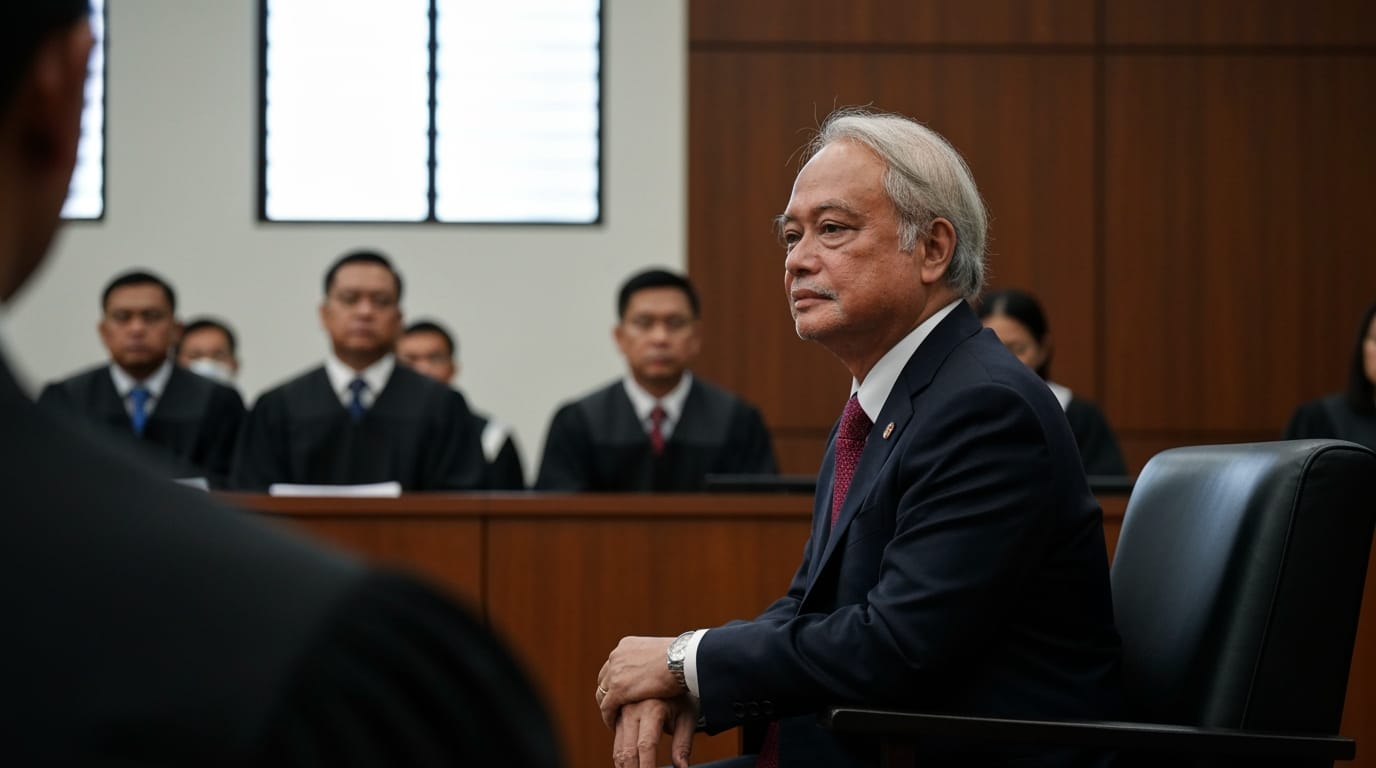
Putrajaya, Malaysia – In a landmark decision solidifying Malaysia’s ongoing battle against corruption, former Prime Minister Najib Razak was today found guilty of abuse of power in the most significant criminal case yet linked to the multi-billion dollar 1Malaysia Development Berhad (1MDB) financial scandal. The verdict, delivered after a seven-year trial, marks a pivotal moment in the legal saga that has captivated a nation and reverberated across global financial markets, potentially extending the jail term for the once-impregnable political figure already serving time behind bars.
The Kuala Lumpur High Court, sitting in Putrajaya, convicted Najib on multiple charges, including four counts of abuse of power directly tied to the misappropriation of approximately 2.2 billion ringgit (around US$568 million) from the sovereign wealth fund. Prosecutors had meticulously detailed how Najib allegedly abused his position to siphon these vast sums, which he subsequently faced 21 additional counts of money laundering for. This latest conviction adds another layer to his legal troubles, underscoring the judiciary's resolve in pursuing accountability for one of the world's largest financial frauds.
The Verdict: A Culmination of Years of Scrutiny
Justice Collin Lawrence Sequerah, presiding over the lengthy proceedings, systematically dismantled the defense's arguments, notably rejecting claims that Najib was merely a victim, misled by the elusive financier Low Taek Jho, widely known as Jho Low. The court found that the evidence presented demonstrated an "unmistakable bond" and a clear relationship where Low operated as a "proxy or agent" of Najib concerning 1MDB's operations. This ruling firmly placed responsibility on the former prime minister, who served at the helm from 2009 to 2018. If the sentences run consecutively, or even partially so, this conviction could significantly lengthen his existing prison term, deepening the fall from grace for a man once considered political royalty in Malaysia. The maximum penalty for each charge could range from 15 to 20 years imprisonment, alongside a fine up to five times the value of the alleged misappropriations.
Tracing the Billions: The Genesis of the 1MDB Scandal
The 1MDB scandal began to unfold shortly after its establishment in 2009 by then-Prime Minister Najib Razak, who also chaired its advisory board. The state investment fund was initially conceived to drive strategic development projects for Malaysia. However, what began as an ambitious national endeavor soon devolved into a sprawling international financial controversy. Over several years, 1MDB raised billions of dollars through bond sales for various projects and joint ventures, but quickly amassed significant debt, fueling suspicions of mismanagement and corruption.
Reports emerged in 2015, most notably from The Wall Street Journal, alleging that nearly $700 million—a figure later reported to be around $1 billion—from 1MDB had been illicitly channeled directly into Najib's personal bank accounts. These revelations ignited widespread public outrage and triggered investigations across multiple jurisdictions, including the United States, Switzerland, and Singapore. International probes eventually estimated that at least $4.5 billion was siphoned from 1MDB between 2009 and 2014. These funds were allegedly used to purchase a lavish array of assets globally, ranging from luxury real estate, private jets, and a mega-yacht to priceless artworks by masters like Picasso and Monet, and even financing Hollywood productions, notably "The Wolf of Wall Street." The scandal profoundly impacted Malaysia's political landscape, contributing significantly to the ousting of Najib's long-ruling Barisan Nasional coalition in the 2018 general election, an unprecedented defeat that ended six decades of continuous power.
A String of Legal Battles and Prior Convictions
Today's verdict is not Najib Razak's first encounter with the Malaysian justice system. He is currently serving a six-year prison sentence, which began in August 2022, following his conviction in a separate 1MDB-linked case involving SRC International, a former subsidiary of the state fund. In July 2020, Najib was found guilty on seven charges related to criminal breach of trust, money laundering, and abuse of power for illegally receiving 42 million ringgit from SRC International. This initial conviction carried a 12-year jail term and a 210 million ringgit fine, which was later reduced by a pardons board in February 2024 to six years and 50 million ringgit, respectively.
Throughout these trials, Najib consistently maintained his innocence, claiming he was misled by intermediaries and that the funds in his accounts were legitimate political donations from Saudi Arabian royalty. However, these defenses have largely been rejected by the courts. His legal team has vigorously pursued appeals at every level, transforming his journey from the prime minister's office to the courtroom into a protracted and closely watched legal saga.
Implications for Malaysian Governance and Rule of Law
The conviction of a former prime minister on charges of such gravity carries profound implications for Malaysia. It serves as a powerful testament to the independence and integrity of the nation's judiciary, signaling that no individual, regardless of their past stature, is above the law. This principle is particularly crucial in a country striving to strengthen its democratic institutions and combat systemic corruption. The judiciary's unwavering stance in these high-profile cases can help restore public trust in government and deter future acts of malfeasance.
However, the path to full accountability has not been without its complexities. The decision by the pardons board to halve Najib's sentence in the SRC International case earlier this year drew concern from some quarters, with critics arguing it could undermine efforts to combat corruption and potentially erode public confidence in the government's stated commitment to reform. Despite such concerns, the perseverance of the courts in delivering a guilty verdict in this latest, major 1MDB trial reinforces a narrative of justice slowly but surely being served. This outcome will undoubtedly be a central point of discussion as Malaysia navigates its political future and continues to rebuild its international reputation following the extensive damage inflicted by the 1MDB scandal. It reiterates that engaging in corruption comes at a significant personal cost when brought to justice.
Conclusion
Today's guilty verdict against Najib Razak in the main 1MDB graft trial marks a significant and perhaps final chapter in the legal proceedings surrounding one of the most audacious financial scandals in recent history. It underscores the enduring impact of the 1MDB affair on Malaysian politics and society, from the fall of a long-ruling coalition to the ongoing efforts to reclaim stolen assets and restore public faith in governance. While Najib's legal journey has been long and arduous, culminating in an unprecedented incarceration for a former Malaysian leader, this latest ruling reaffirms the principle of accountability and further solidifies the judiciary's role as a bulwark against corruption, sending a clear message that justice, though often slow, can ultimately prevail.


