Former South Korean Prime Minister Han Duck-soo Jailed 23 Years for Role in 2024 Martial Law Insurrection
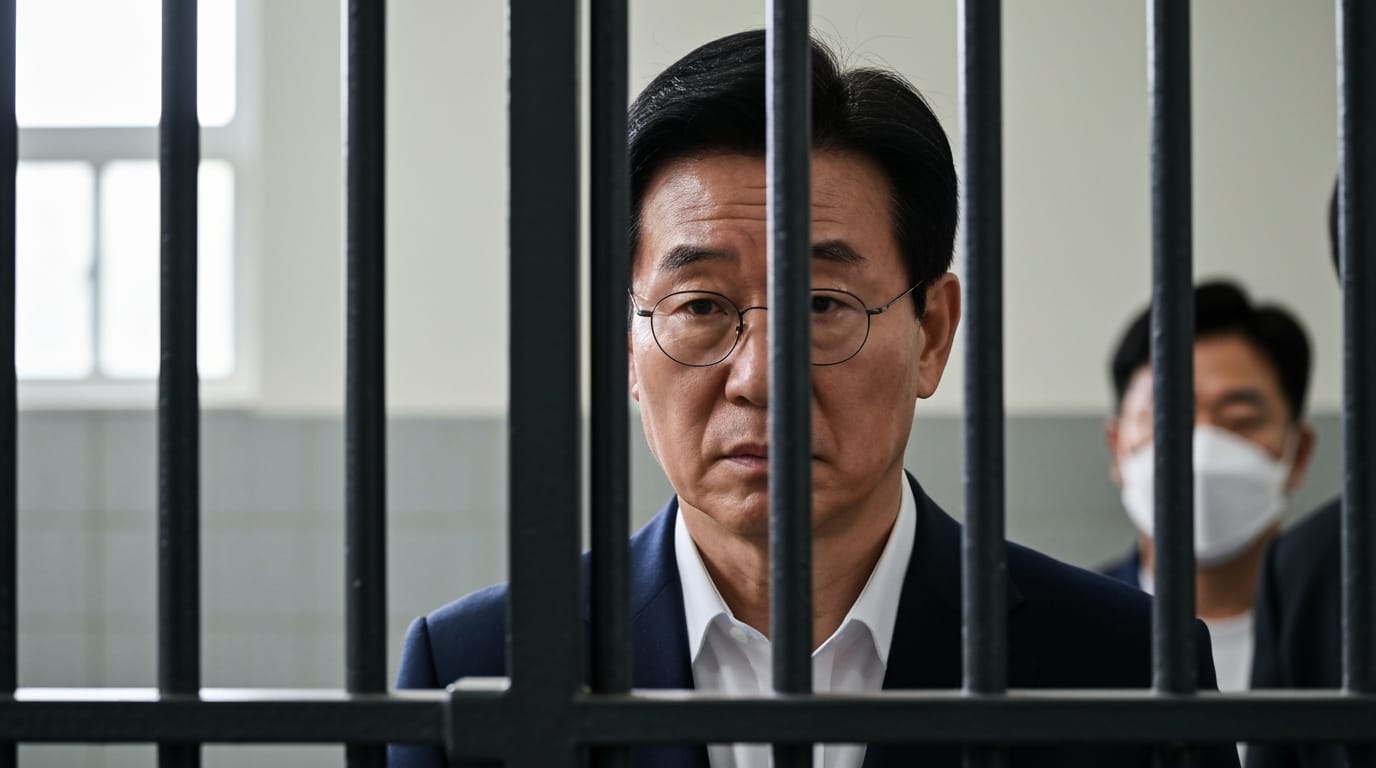
SEOUL – In a landmark decision underscoring South Korea’s commitment to constitutional rule, former Prime Minister Han Duck-soo has been sentenced to 23 years in prison for his pivotal involvement in an attempted martial law declaration in December 2024. The Seoul Central District Court delivered the verdict on Wednesday, definitively classifying the failed declaration as an act of insurrection and marking the first criminal conviction of a cabinet member tied to the tumultuous event. The ruling sends a clear message regarding accountability for high-ranking officials and has significant implications for the nation’s political future.
The Verdict: A Historic Conviction for Undermining Democracy
The sentence handed down to the 76-year-old former prime minister represents a severe condemnation of his actions during the 2024 crisis. Han Duck-soo was found guilty on multiple charges, central among them being his role in what the court deemed a "key action of insurrection". Specifically, the court found that Han forged and signed a martial law decree on December 6, 2024, an act committed three days after the initial declaration, in a clear attempt to retroactively legitimize the unlawful move. Further adding to the gravity of his offenses, he was convicted of ordering the destruction of the incriminating document and committing perjury during former President Yoon Suk Yeol's impeachment trial by falsely testifying he had no prior knowledge of the decree. The court also highlighted his failure to convene a lawful cabinet meeting, a constitutional prerequisite for any martial law declaration in South Korea, as a critical misstep. Despite Han’s consistent denial of the charges throughout the investigation and trial, asserting ignorance of the martial law plans, the court's judgment stands as a powerful legal rebuke of his conduct.
The 2024 Martial Law Crisis: A Nation on Edge
The December 2024 martial law attempt, now officially termed "the 12.3 insurrection" by the court, plunged South Korea into a period of acute political uncertainty. Former President Yoon Suk Yeol’s declaration sought to impose sweeping restrictions, bypassing established democratic processes and constitutional safeguards. The court detailed how the decree failed to adhere to constitutional procedures, aiming to suppress fundamental constitutional rights, including the functions of the National Assembly, the party system, and the freedoms of press and assembly. Crucially, the martial law order involved the mobilization of military and police forces with the intent to seize control of the National Assembly and the National Election Commission, actions that the court deemed severe enough to constitute an insurrection. However, the crisis was short-lived. A swift and unified response from lawmakers, who converged on the National Assembly to pass a resolution rejecting the declaration, effectively thwarted the attempt within hours. This decisive parliamentary action is widely credited with upholding the nation's constitutional order and preventing a deeper slide into authoritarianism. The current ruling provides the first official judicial determination that these events indeed constituted an insurrection, solidifying the historical narrative of the crisis.
Broader Implications and Ongoing Legal Scrutiny
Han Duck-soo’s conviction represents a significant milestone in the ongoing efforts to hold those responsible for the 2024 martial law attempt accountable. It marks the first time a member of former President Yoon’s cabinet has faced criminal sentencing in connection with the incident, setting a powerful precedent for future cases involving high-level political figures. The legal pressure on former President Yoon Suk Yeol himself remains intense. He was already sentenced to five years in prison last week for obstructing investigators during a separate attempt to detain him. Moreover, a special prosecutor has sought the death penalty for Yoon on charges directly related to the insurrection, with a court decision anticipated on February 19. These intertwined legal proceedings underscore a determined drive within South Korea's judiciary to address perceived abuses of power at the highest echelons of government. The outcomes of these trials are being closely watched, not only domestically but also by international partners, including nations like Türkiye, who recognize their profound implications for democratic governance across East Asia.
A Nation's Resolve: Upholding Democratic Principles
The sentencing of Han Duck-soo is more than just a legal outcome; it reflects South Korea's enduring struggle to safeguard its hard-won democratic institutions against attempts to undermine them. The nation has a history of political turbulence and has emerged from periods of authoritarian rule to establish a vibrant, if sometimes fractious, democracy. This verdict demonstrates a strong societal demand for transparency, accountability, and the strict adherence to constitutional law by all public servants, irrespective of their position. The collective memory of past authoritarian regimes likely fueled the swift public and parliamentary resistance to the 2024 martial law declaration, and now, the judiciary's firm stance reinforces that resolve. The principle that no individual, regardless of their past stature, is above the law is being rigorously tested and affirmed through these proceedings, ensuring that actions threatening the democratic foundation of the state are met with serious consequences.
The conviction of former Prime Minister Han Duck-soo serves as a potent reminder of the fragility of democratic institutions and the constant vigilance required to preserve them. By unequivocally labeling the 2024 martial law attempt an insurrection and imposing a substantial prison sentence on a former high-ranking official, the South Korean judiciary has sent a clear, unyielding message. This ruling reinforces the rule of law and underscores the nation's steadfast commitment to its constitutional framework, providing a critical chapter in South Korea's ongoing narrative of democratic resilience and accountability.


