Fragile Hope and Deep-Seated Fear: Lebanon Grapples with Proposed Israel Peace Deal
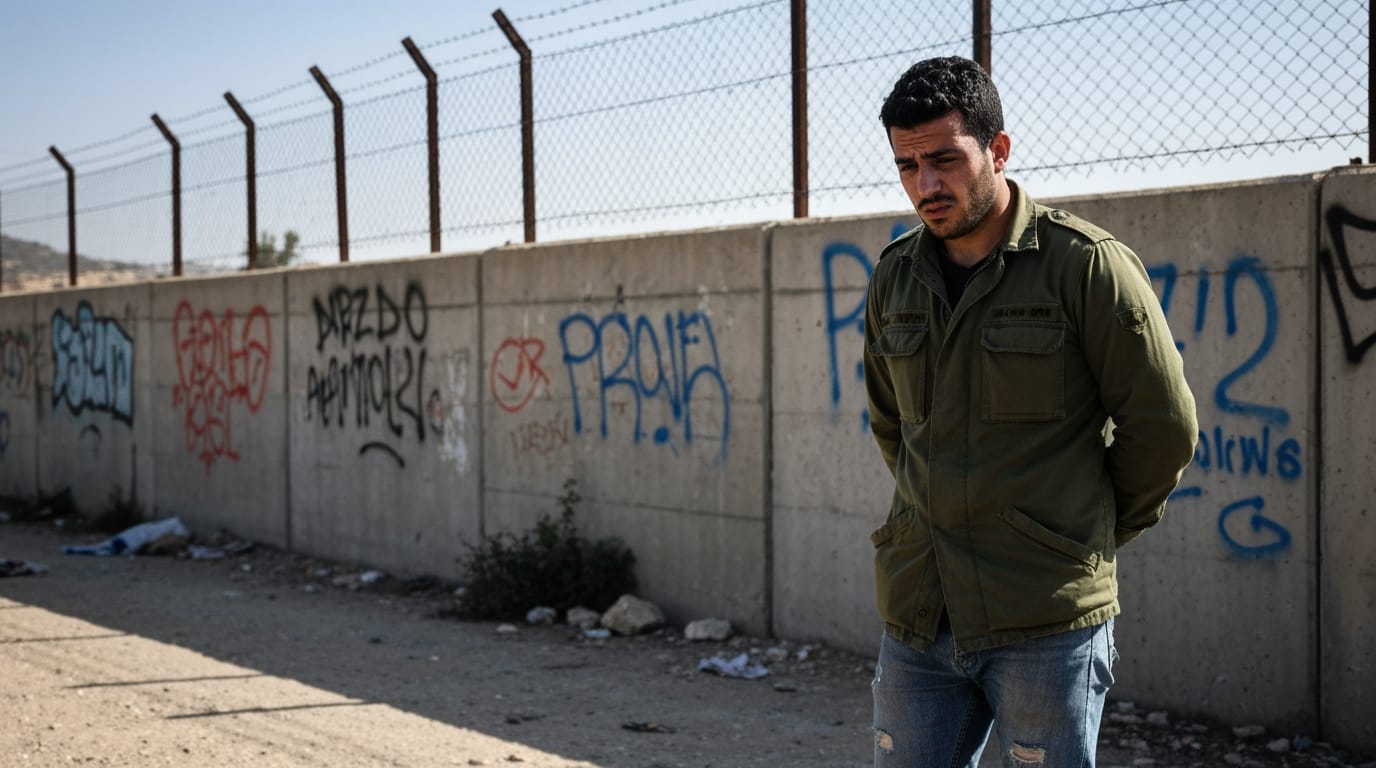
BEIRUT, Lebanon – A recently signed framework agreement aimed at ending hostilities between Lebanon and Israel has been met with a mixture of cautious optimism from parts of the Lebanese government and vehement rejection from powerful factions, particularly Hezbollah. The deal, brokered by the United States and signed on June 26, 2026, seeks to pave the way for a lasting peace, but its implementation faces formidable obstacles rooted in decades of conflict, profound mistrust, and Lebanon's complex internal political landscape. Widespread skepticism among the Lebanese populace and explicit threats of internal strife from Hezbollah underscore the immense challenges inherent in transitioning from a state of war to one of peaceful coexistence.
A Framework Forged Amidst Turmoil, Met With Resistance
The U.S.-mediated framework agreement, signed in Washington, D.C., outlines a path toward normalizing relations and ending the protracted state of conflict between the two neighboring nations. Key provisions of the accord include a phased withdrawal of Israeli forces from designated "pilot zones" in southern Lebanon, the deployment of the Lebanese Army to assume security responsibilities in these areas, and calls for the disarmament of non-state armed groups, specifically Hezbollah, and the dismantling of their military infrastructure. This initiative is presented by its proponents as an opportunity to restore Lebanese sovereignty over its southern territories and enable the return of displaced citizens. Lebanese Prime Minister Nawaf Salam has indicated support for peace, provided that core Lebanese demands for a full Israeli withdrawal and the release of prisoners are met.
However, the agreement's ink had barely dried before strong condemnation erupted from within Lebanon. Hezbollah's leader, Naim Qassem, swiftly declared the framework "null and void," labeling it as "humiliating, shameful, and a surrender of sovereignty." Hezbollah, an Iranian-backed group that exercises significant military and political power in Lebanon, was notably absent from the negotiations and has consistently opposed direct talks with Israel. The group unequivocally rejects any linkage between an Israeli withdrawal and its own disarmament, viewing its arsenal as a legitimate means of "resistance" against Israeli occupation. Concerns have been voiced by senior Hezbollah figures, including lawmaker Hassan Fadlallah and Speaker Nabih Berri, an ally, that any attempt by the Lebanese government to forcibly implement the disarmament clause could ignite civil war or widespread instability. This deep division highlights the precarious position of the Lebanese government, caught between international pressure for peace and the formidable internal opposition from a powerful non-state actor.
Echoes of the Past: A History of Invasion and Distrust
The prevailing skepticism and fear in Lebanon are not merely a reaction to the current agreement but are deeply embedded in the nation's tumultuous history with its southern neighbor. The Israeli-Lebanese conflict has spanned decades, marked by Israeli invasions in 1978 and 1982, a prolonged occupation of southern Lebanon until 2000, and the devastating 2006 Lebanon War. A new period of conflict began in 2023, further deepening the scars of past hostilities. These repeated military engagements and periods of occupation have fostered a profound sense of distrust among many Lebanese, who often perceive Israel as a colonial power threatening their sovereignty and territorial integrity.
The concept of "resistance" against Israel has thus become a central narrative for many, particularly for Hezbollah, which frames its armed presence as a necessary defense of Lebanese land and dignity. This historical baggage means that any peace initiative is scrutinized through a lens of suspicion, with many fearing that agreements might only serve to legitimize past transgressions or create new vulnerabilities. Lebanon's official stance has historically been to avoid direct political or diplomatic contact with Israel, with previous attempts at departure from this rule often being met with accusations of national betrayal. This historical context, coupled with the frequent collapse of past ceasefire agreements, contributes significantly to the widespread belief that genuine, lasting peace remains an elusive aspiration.
Internal Fault Lines: Hezbollah's Hegemony and Government's Predicament
The proposed peace deal sharply exposes the internal political fault lines that have long characterized Lebanon. Hezbollah, with its significant military capabilities and strong political representation, including ministers in the cabinet, acts as a de facto state within a state. Its approval is widely considered essential for any agreement with Israel to gain traction or be successfully implemented on the ground. The framework's insistence on Hezbollah's disarmament presents an existential challenge to the group, which views its weapons as non-negotiable.
This creates a critical dilemma for the Lebanese government. While some officials, like President Joseph Aoun and Prime Minister Nawaf Salam, have reportedly taken firmer stances against Hezbollah and voiced openness to peace talks, their ability to enforce the agreement's terms against such a powerful armed faction is questionable. The current political landscape reflects deep divisions over the decision to engage in the recent conflict, with a Sunni prime minister and Maronite Christian president calling for talks despite strong objections from Shi'ite Hezbollah. Analysts suggest that pushing for Hezbollah's disarmament without its consent risks plunging the already fragile nation into further internal conflict, a specter that hangs heavy over any peace initiative. The agreement thus tests not only the relationship between Lebanon and Israel but also the very fabric of Lebanese national unity and governmental authority.
Economic Lifeline or Humanitarian Burden?
Beyond the political and security dimensions, the prospect of peace with Israel also intersects with Lebanon's dire economic and humanitarian crises. The Lebanese economy has been in freefall since 2019, experiencing a significant contraction, soaring unemployment, and crippling public debt. The recent conflict has exacerbated this crisis, causing massive destruction, displacing over 1.2 million people, damaging critical infrastructure, and pushing poverty rates in southern regions to alarmingly high levels, with some areas projected to reach 94% poverty.
Proponents of peace argue that normalization with Israel could offer an economic lifeline. They contend that it would reduce security risks, unlock billions in foreign investments, revive trade, and create much-needed jobs, potentially transforming Lebanon from a volatile "frontier market" into an attractive regional hub. International aid from organizations like the World Bank, IMF, and EU is also often contingent on steps toward stability and reform, making a peace agreement potentially crucial for accessing vital funds.
However, the immediate humanitarian reality remains stark. Hundreds of thousands are displaced, facing food insecurity, strained healthcare systems, and damaged homes. Compounding this are the challenges faced by an estimated 250,000 to 400,000 Palestinian refugees living in Lebanon, many in dire conditions within camps. Their legal status is precarious, and their potential naturalization, often seen as a possible outcome of broader peace, is a contentious issue in Lebanon due to concerns about upsetting the country's delicate sectarian balance. For these communities, the focus remains on survival and the uncertain future of their displacement, rather than the distant promise of economic prosperity from a deal many view with apprehension.
An Uncertain Path Forward
The framework agreement between Lebanon and Israel, while hailed by some as a diplomatic breakthrough, arrives at a moment of immense internal fragility and deep-seated animosity in Lebanon. The profound skepticism and outright fear are not merely political posturing but reflect historical traumas, deeply entrenched ideological divides, and the complex reality of a state grappling with the powerful influence of non-state actors. For many Lebanese, peace with Israel remains a distant and conditional aspiration, overshadowed by the immediate concerns of security, sovereignty, internal stability, and humanitarian survival. The path forward for this agreement, and indeed for the prospect of any true peace, will depend heavily on navigating these intricate layers of distrust and power dynamics, a task that promises to be exceptionally challenging.


