Germany Grapples with Mounting Economic and Political Pressure as Heatwaves Intensify
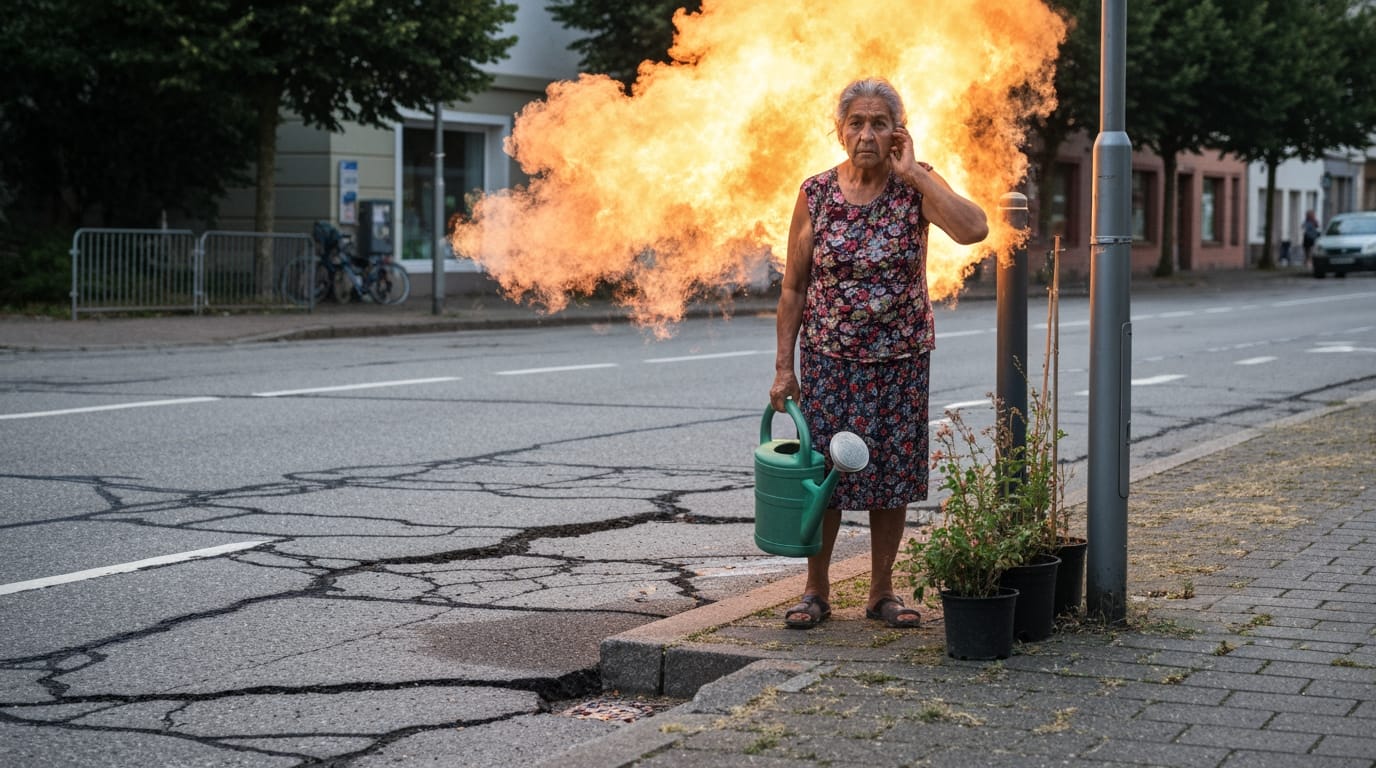
Germany is facing unprecedented economic and political fallout as increasingly frequent and severe heatwaves expose critical vulnerabilities in its infrastructure, workforce, and governance. A recent report by credit insurer Allianz Trade projects that repeated heatwaves could cost the German economy approximately 112 billion euros by 2030, a stark warning that underscores the urgent need for comprehensive climate adaptation strategies and reignites intense debate over national preparedness and funding mechanisms.
The nation, historically accustomed to colder winters and designed for heat retention in its buildings, finds itself ill-equipped for the prolonged periods of extreme heat now becoming a regular feature of its summers. This new reality is not merely a seasonal discomfort but a structural economic shock, impacting productivity, driving up energy costs, and placing significant strain on public finances and social welfare.
The Soaring Economic Burden of a Warming Climate
The financial implications of Germany's escalating heat are profound and multifaceted. The Allianz Trade report, co-authored by economist Katharina Utermöhl, highlights a direct correlation between rising temperatures and economic decline. Productivity, a cornerstone of Germany's industrial strength, is estimated to fall by approximately 3 percent for every degree Celsius above 30 degrees. Concurrently, energy costs are rising by about 1.2 percent per degree due to increased demand for cooling. These factors combined contribute to projected cumulative GDP losses of up to 120 billion euros (approximately $131 billion) between 2026 and 2030, with some estimates suggesting a potential 3% reduction in overall economic output.
The impact extends beyond mere statistics, affecting the daily operations of businesses and the health of the workforce. Outdoor laborers in sectors such as construction, agriculture, and delivery services are particularly vulnerable, with their health acutely threatened by high temperatures. Data from the German Federal Ministry of Labor indicates that sick leave rises by around 3.5% on days exceeding 30 degrees Celsius, a figure that can climb to 6% during prolonged heatwaves, leading to further declines in productivity. Declining return expectations due to these persistent challenges are already dampening investment, posing a threat to future productivity and competitiveness. Moreover, public finances are taking a hit, with heatwaves worsening the government's budget position by an average of 0.9 percent of gross domestic product annually.
The Adaptation Funding Impasse
Against this backdrop of escalating costs and tangible impacts, Germany is embroiled in a significant political discussion regarding funding for climate adaptation. While climate adaptation measures are legally binding in Germany, their effective implementation is hampered by an unclear division of financial responsibility. The federal system places the primary burden for implementing adaptation measures, such as those protecting against extreme heat, on individual federal states and municipalities. While the federal government provides support for pilot projects, securing permanent and consistent funding requires a constitutional amendment to introduce a "joint task" for climate adaptation, an amendment that would necessitate a two-thirds parliamentary majority.
André Berghegger, managing director of the German Association of Towns and Municipalities (DStGB), has renewed calls for such a constitutional change, emphasizing that climate protection and adaptation are a societal responsibility requiring indispensable federal and state funding. However, despite the current coalition government's stated intention to examine this possibility in its agreement, little progress has been made. Environment Minister Carsten Schneider acknowledged the high political hurdle of achieving the necessary two-thirds majority, stating that the federal government is limited in providing funding beyond its legal obligations. This impasse has led to widespread criticism, with the German Association of Cities and opposition parties accusing the government of insufficient preparedness and a lack of a nationally organized and funded heat protection system, akin to those in place in countries like France. Critics point to decisions such as the halt of a funding program for the climate-adapted renovation of nursing homes, daycare centers, and schools, effective in 2026, as evidence of a policy gap that leaves vulnerable populations at risk.
Public Preparedness and Mounting Health Concerns
The human element of the heatwave crisis is equally pressing. Heat-related deaths are a growing concern, with German public health researchers reporting approximately 2,500 heat-related fatalities in the summer of 2025. Doctors and health care professionals are advocating for better policies and reduced federal-state fragmentation to prevent such losses. Vulnerable populations, including the very young, the elderly, and homeless individuals, are disproportionately affected, often lacking adequate means to cool themselves. Emergency services are increasingly strained, with intensified call volumes during heat events.
A recent survey revealed that just over half of Germans (51%) do not believe their homes are prepared for intensifying heatwaves, placing Germany among the least prepared nations surveyed in Europe. This unpreparedness is largely due to historical building designs optimized for colder climates, with air conditioning present in only 6% of private households, a stark contrast to approximately 90% in the United States. Even in newer constructions and renovations, accounting for climate change effects often falls short, leading to increased overheating risks. A 2025 "heat check" by the NGO Environmental Action Germany (DUH) found that over 12 million people in 190 cities live in high-heat areas, facing moderate or extreme heat stress.
Political Scrutiny and Calls for Action
The recurring heatwaves have amplified political scrutiny and fueled calls for more decisive climate action and adaptation measures. Critics argue that climate change has historically been viewed as an abstract moral issue in German political discourse, but the tangible and costly impacts of extreme weather are forcing a re-evaluation. Opposition parties, particularly the Greens, are pushing for significant investments, with proposals such as a 5-billion-euro heat protection program aimed at creating more green spaces across Germany. There is a recognized need for urban planning to be rethought, incorporating light-colored facades, shading, and greening of buildings. Furthermore, there are demands for the government to invest more in preparing critical infrastructure, which has shown vulnerabilities at temperatures above 38 degrees Celsius.
Despite public awareness of climate change, with half of Germans acknowledging its personal impact, the issue often ranks lower than other societal concerns such as social justice, international conflicts, and economic development in surveys. This presents a challenge for policymakers in garnering widespread support for ambitious climate policies, especially when a significant portion of the population expresses skepticism about the effectiveness of global climate protection efforts. However, there is broad public support for stricter green policies, including climate taxes and a transition to renewable energy.
Conclusion: A Turning Point for German Climate Policy
Germany's intensifying heatwaves represent a critical juncture for its political landscape and climate policy. The mounting economic costs, coupled with visible strains on public health and infrastructure, are transforming climate adaptation from a long-term environmental concern into an immediate economic and social imperative. The ongoing debate over funding responsibility highlights a fundamental tension within Germany's federal structure that demands resolution. Without a unified national strategy, robust financing, and a concerted effort to adapt its urban and built environments, Germany risks not only significant financial losses but also a growing toll on its citizens' well-being and a potential erosion of public trust in its governance. The urgency of the situation calls for prompt and decisive action to bridge the gap between policy discussions and practical implementation, ensuring Germany's resilience in a rapidly warming world.


