Fragile Hope: Israel-Lebanon Ceasefire Extended as US-Iran Talks Falter Amid Regional Tensions
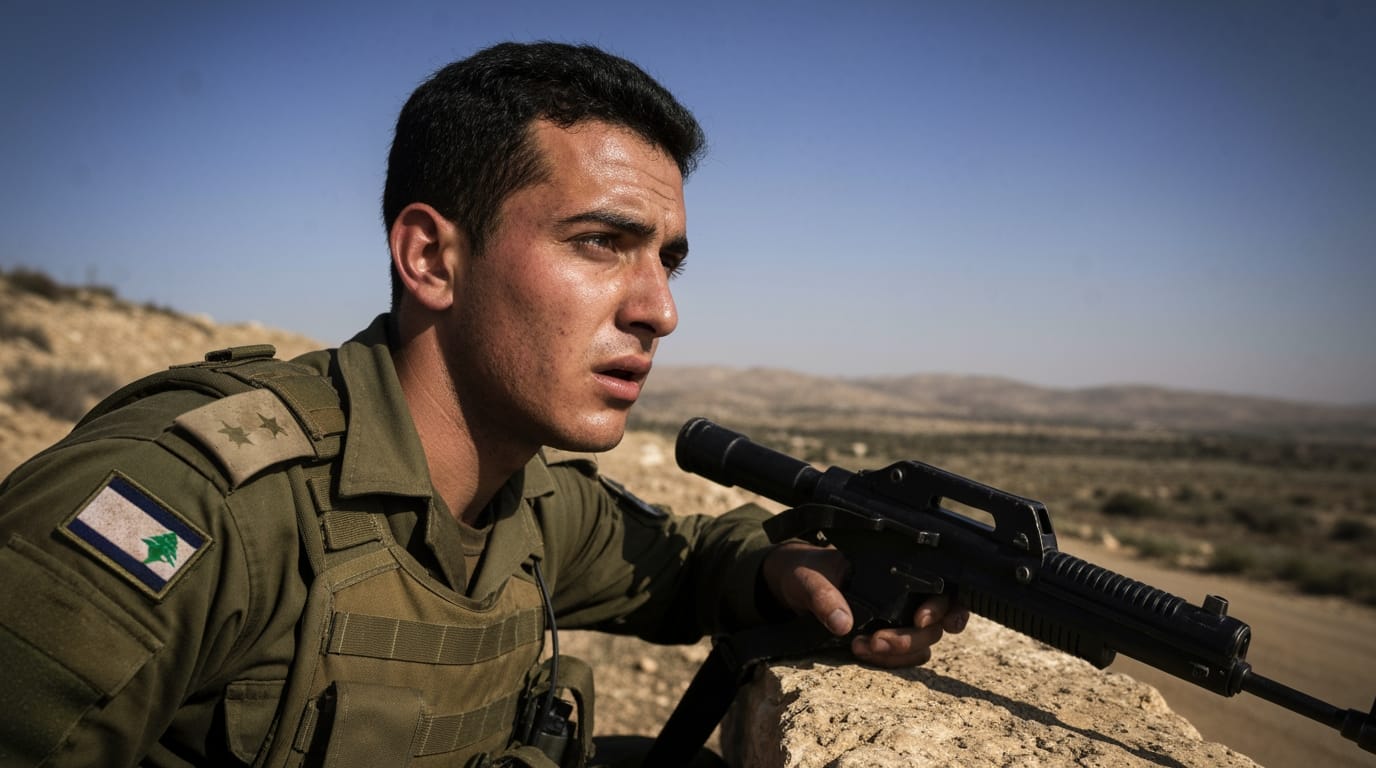
WASHINGTON D.C. – A precarious ceasefire between Israel and Lebanon has been extended by three weeks, President Donald Trump announced Thursday, a development that momentarily eases cross-border hostilities even as broader diplomatic efforts between the United States and Iran remain ensnared in a deepening deadlock. The extension, brokered in Washington, comes despite continued military actions on both sides of the Israel-Lebanon border and underscores the volatile regional landscape, significantly shaped by a wider "Middle East war" that has displaced millions and claimed thousands of lives.
The decision to prolong the truce, which was initially set to expire on Sunday, offers a brief respite for a war-weary region, particularly for southern Lebanon, which has endured extensive bombardment and a severe humanitarian crisis. However, the underlying tensions persist, exacerbated by the stalled US-Iran negotiations and Iran's firm stance on the lifting of American sanctions and naval blockades. The intricate web of conflicts, involving state actors and powerful proxies, continues to challenge the prospect of lasting peace.
Ceasefire Holds by a Thread Amid Continued Border Skirmishes
President Trump confirmed the three-week extension of the Israel-Lebanon ceasefire following a meeting with ambassadors from both nations. The initial 10-day truce, agreed upon last week, marked the first high-level contact between the two countries in decades and aimed to pause the intense fighting between the Israeli military and the Iran-backed Lebanese militant group Hezbollah. Despite the diplomatic achievement of the extension, the ceasefire has been anything but absolute. Israeli strikes have continued in Lebanon, and Hezbollah has maintained rocket fire, highlighting the fragile nature of the agreement.
Lebanon, represented by its ambassadors in Washington, sought the extension to pave the way for broader negotiations with Israel, particularly concerning the lingering presence of Israeli forces in parts of southern Lebanon and the establishment of a "buffer zone." Beirut views the United States as crucial in leveraging influence over Israel to secure a more durable peace. However, the ongoing skirmishes indicate the deep-seated animosity and distrust that complicate any long-term resolution, with both sides frequently accusing the other of violations.
US-Iran Dialogue Stalls, Broadening Regional Instability
The extension of the Israel-Lebanon ceasefire occurs against a backdrop of deeply entrenched US-Iran negotiations, which have reached a critical standstill. The talks, aimed at resolving a broader "Middle East war," have seen President Trump declare he is "in no rush to end the war with Iran," asserting that "the clock is ticking" for the Islamic republic. This firm stance from Washington is met with equal resolve from Tehran, which has dismissed any ceasefire extension as meaningless unless the US naval blockade on its ports is lifted.
The dispute centers around the Strait of Hormuz, a vital waterway through which a significant portion of the world's oil and liquefied natural gas flows. Iran has intermittently closed the strait in retaliation for US sanctions and blockades, severely impacting global energy markets and supply chains. Recent incidents include the seizure of Iranian tankers in the Indian Ocean by US forces and Iran's capture of commercial vessels in the strait. These actions underscore the economic dimension of the conflict, with energy prices reflecting sustained geopolitical uncertainty. US Secretary of Defense Pete Hegseth has claimed a "military victory" over Iran, while Iran asserts it forced the US and Israel to accept its conditions. The divergence in narratives reflects the profound chasm in understanding and expectations between the two powers.
Hezbollah's Persistent Role and Broader Proxy Dynamics
Hezbollah, the Iranian-backed Shiite political and paramilitary group, remains a formidable force in the Israel-Lebanon conflict. Formed in 1982, the group has long been dedicated to resisting Israeli occupation and influence, maintaining a strong presence in southern Lebanon. Despite not being directly involved in the Washington talks between Israel and Lebanon, Hezbollah's actions significantly influence the dynamics of the ceasefire. Rocket fire from Hezbollah continued even as diplomatic efforts progressed, serving as a reminder of its autonomous operational capacity and alignment with Iranian regional interests.
The current conflict between Israel and Hezbollah intensified following the October 7, 2023, Hamas attacks on Israel, quickly escalating into cross-border bombardments and a short Israeli invasion of Lebanon in 2024, which notably included the assassination of Hezbollah leader Hassan Nasrallah. While a prior 10-day truce was established in November 2024, sporadic fighting persisted, resuming with intensity in March 2026. The US has publicly stated its intention to help Lebanon protect itself from Hezbollah, recognizing the group's destabilizing role in the region.
Humanitarian Catastrophe Unfolds in Southern Lebanon
The human cost of the ongoing hostilities, particularly in southern Lebanon, is staggering. The region has become a flashpoint for Israeli demolitions, shelling, drone strikes, and air raids, rendering large areas unsafe and largely inaccessible despite ceasefire efforts. Aid organizations report a dire humanitarian crisis, with over 1 million people – roughly one-fifth of Lebanon's population – forcibly displaced since March 2026. Many of these displaced individuals are living in overcrowded shelters or makeshift tents, facing severe shortages of food, clean water, and healthcare.
Between March 2 and April 10, 2026, more than 2,000 people were killed and over 7,000 injured in Lebanon, according to local health officials, underscoring the brutal impact on civilian populations. A "yellow line" has been informally imposed near the border, demarcating heavily damaged and depopulated areas where only a fraction of the original inhabitants remain. The constant threat of violence, coupled with the psychological trauma of displacement and loss, has created an urgent and immense need for humanitarian assistance.
Broader Regional Alignment and the Path Forward
The delicate dance of diplomacy extends beyond the immediate combatants. Pakistan has played a mediating role in facilitating ceasefire talks between the US and Iran. Gulf Cooperation Council (GCC) countries, directly impacted by Iranian attacks and disruptions in the Strait of Hormuz, are seeking guarantees for regional stability. While some, like Oman and Qatar, prioritize dialogue with Tehran, others, such as the UAE and Bahrain, demand stronger assurances beyond a nuclear deal, including the dismantling of Iran's long-range capabilities and proxy networks.
The current situation represents a critical juncture, with the extension of the Israel-Lebanon ceasefire providing a temporary window for de-escalation. However, the failure to make substantial progress in US-Iran talks casts a long shadow over the future. The deep mistrust, conflicting objectives, and the active involvement of proxies ensure that the path to a comprehensive and lasting peace in the Middle East remains fraught with immense challenges. The region, having endured a "2026 Iran war" and continuous low-intensity conflicts, desperately seeks stability, yet the major powers appear far from a consensus on how to achieve it.


