Germany Enacts Fuel Tax Cut Amid Soaring Prices Driven by Middle East Conflict
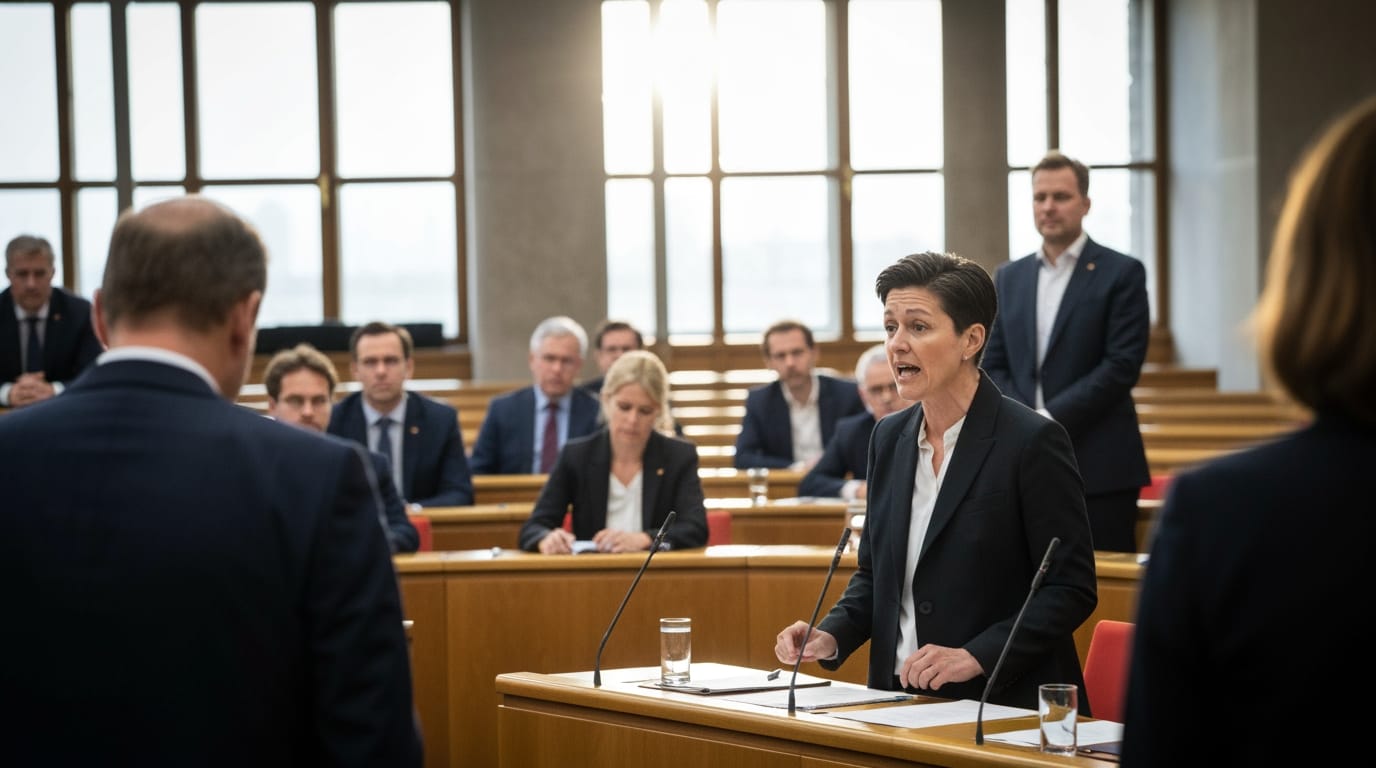
BERLIN — Germany's coalition government has approved a substantial €1.6 billion ($1.9 billion) relief package aimed at cushioning households and businesses from the sharp increase in energy prices, a direct consequence of escalating geopolitical tensions in the Middle East. The cornerstone of this initiative is a temporary reduction in fuel taxes, slated to decrease gasoline and diesel prices by approximately 17 cents per liter for a two-month period. The decision, reached on April 13, 2026, by Chancellor Friedrich Merz's coalition, underscores the pressing economic challenges facing Europe's largest economy as it grapples with global energy market volatility.
Immediate Relief Amid Geopolitical Turmoil
The core of the German government's relief effort focuses on direct price reduction at the pump. For two months, energy taxes on both petrol and diesel will be lowered by approximately 17 cents per liter, an measure anticipated to cost public coffers around €1.6 billion. Chancellor Merz emphasized that this measure is designed to provide immediate relief for motorists and businesses across the country, particularly those for whom driving is essential for professional reasons. The urgency for this intervention stems from a significant surge in oil prices following the collapse of US-Iran peace talks and a subsequent blockade of the Strait of Hormuz by US President Donald Trump. Prices for Super and Super E10 petrol had risen dramatically, illustrating Germany's vulnerability as a major energy importer heavily reliant on fossil fuels. The government's expectation is that the oil industry will fully pass on these tax reductions to consumers, a critical aspect that will be closely monitored.
Broader Measures and Fiscal Adjustments
Beyond the fuel tax cut, the comprehensive relief package includes additional measures designed to mitigate inflationary pressures and ensure fair market practices. Employers will now be able to offer their workers a tax-free bonus of up to €1,000 during 2026. This voluntary "relief bonus" (Entlastungsprämie) aims to help employees cope with rising living costs without increasing payroll tax burdens. To finance the substantial cost of these relief measures, the coalition plans an increase in tobacco taxes.
In an effort to curb potential profiteering and ensure the tax cuts benefit consumers, the government also moved to strengthen antitrust oversight. New regulations will empower the Federal Cartel Office to scrutinize fuel pricing more rigorously, compelling petroleum companies to justify price increases. Furthermore, gas stations will be restricted to increasing prices only once per day, typically at noon, while price reductions are permitted at any time. These measures, which also include reversing the burden of proof for sharp price increases, are intended to foster greater transparency and prevent frequent, arbitrary price hikes.
Critics Question Effectiveness and Targeting
Despite the government's intentions, the relief package has drawn considerable criticism from economists and civil society groups. Experts from the DIW economic institute and Monika Schnitzer, chair of Germany's Council of Economic Experts, labeled the fuel tax cut as "the worst option" among discussed measures. A primary concern is that the benefit is poorly targeted, disproportionately aiding individuals who drive long distances in combustion-engine vehicles and who may already be financially stable, rather than specifically assisting low-income households.
Critics also voiced skepticism about whether oil companies would fully pass on the tax reductions to consumers, citing past experiences where a similar 2022 tax cut saw only partial savings reaching the pump. Environmental organizations like KlimaSozial, BUND, and Transport and Environment argued that the measure does little to reduce the nation's reliance on fossil fuels and contradicts Germany's broader climate goals. Alternative proposals, such as direct support payments to citizens based on social criteria, a general energy bonus, or a reduction in electricity tax, were suggested as more equitable and effective alternatives.
The Path Forward and Lingering Concerns
The German government's decision reflects a difficult balancing act between providing immediate relief from an external energy shock and adhering to longer-term fiscal discipline and environmental commitments. The €1.6 billion allocated for the two-month fuel tax cut has also sparked debate when compared to other public spending. Welfare groups, for instance, highlighted that the federal government's annual contribution to the popular flat-rate public transport ticket stands at €1.5 billion, less than the two-month fuel subsidy. They argued that more affordable public transport could offer more sustainable and equitable relief by cutting fuel use and promoting climate-friendly mobility in the long run.
Chancellor Merz acknowledged the conflict in the Middle East as the "root cause" of the energy price turmoil, underscoring the government's diplomatic efforts to de-escalate hostilities. However, the ongoing debate reveals a deeper tension within German policy-making: how to respond swiftly to crises while maintaining a strategic focus on energy transition and social equity. The efficacy of these short-term measures will likely be judged not only by their immediate impact on prices but also by their broader societal and economic consequences, and whether they pave the way for more resilient, sustainable solutions in the face of future global disruptions.


