Fragile Orthodox Easter Truce Begins Amidst Fresh Strikes Across Ukraine
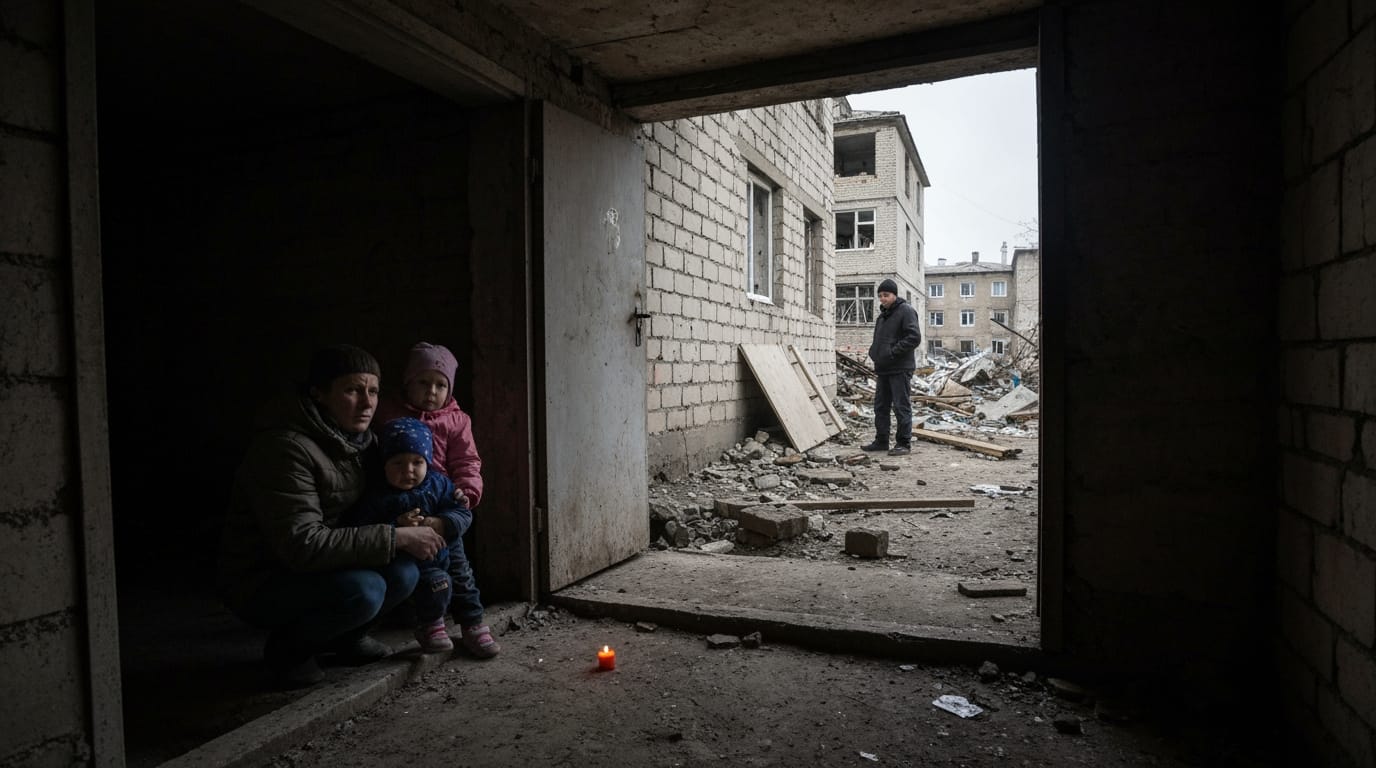
KYIV, Ukraine – As Orthodox Christians prepare to observe their holiest day, a fragile 32-hour ceasefire between Russia and Ukraine is set to commence this Saturday afternoon, April 11, 2026. The agreed-upon truce, intended to offer a brief respite from the grinding conflict now in its fifth year, is already overshadowed by a renewed barrage of Russian drone attacks that claimed lives and inflicted damage in Ukrainian cities just hours before the designated pause was to begin. The solemnity of the approaching Easter Sunday (April 12) clashes sharply with the persistent reality of war, once again testing the viability of temporary humanitarian gestures in a deeply entrenched conflict.
A Fleeting Reprieve for the Holiest Day
The agreement for a temporary ceasefire during Orthodox Easter marks a rare moment of overt, albeit limited, de-escalation in the protracted conflict. Ukrainian President Volodymyr Zelenskyy had initially proposed a halt to fighting for the religious holiday, a call that was initially dismissed by the Kremlin. However, Russian President Vladimir Putin subsequently ordered a pause in hostilities, stating it would run from 4 p.m. Moscow time on Saturday, April 11, until the end of Sunday, April 12, and expressed an expectation that Ukraine would reciprocate. Kyiv quickly confirmed its readiness to mirror the truce, aiming to provide its citizens with a momentary reprieve from the relentless violence. Orthodox Easter, known as Pascha, is the most significant celebration in the Eastern Orthodox calendar, commemorating the resurrection of Jesus Christ. It is a time for families and communities to gather, traditionally marked by midnight services and joyous festivities.
Pre-Truce Attacks Mar Religious Observance
Despite the declared ceasefire, the hours leading up to its implementation were characterized by continued aggression. Russian forces launched a substantial drone attack overnight into Saturday, April 11, with Ukrainian authorities reporting that 160 drones targeted various locations across the country. Of these, 133 were successfully shot down or jammed by Ukrainian air defense systems. The southern port city of Odesa bore the brunt of some of these strikes, where at least two civilians were killed and several others wounded as drones hit residential areas, damaging apartment buildings, houses, and even a kindergarten. This immediate escalation prior to the truce underscores the profound skepticism many hold regarding the effectiveness and sincerity of such temporary ceasefires, recalling similar efforts in previous years that were often marred by accusations of violations from both sides.
The Enduring Humanitarian Toll
The continued fighting, even on the eve of a sacred holiday, highlights the severe humanitarian crisis gripping Ukraine. Civilian casualties have seen a sharp increase, with the UN Human Rights Monitoring Mission in Ukraine (HRMMU) reporting a 49% rise in March from the preceding month, resulting in at least 211 killed and 1,206 injured. Short-range drones have become a particularly deadly weapon for civilians, accounting for 66 deaths in March, more than any other type of ordnance, and continuing to cause casualties into April. The conflict has forced approximately 3.7 million people to become internally displaced, with many having been displaced multiple times over the years. The UN estimates that 10.8 million people will require humanitarian assistance and protection in 2026 alone, facing critical needs for shelter, food, and medical aid. Essential services remain severely disrupted, especially in frontline areas where entire communities have been devastated by strikes on homes, hospitals, schools, and energy infrastructure.
Diplomacy's Lingering Shadow
The Orthodox Easter ceasefire emerges against a backdrop of stalled diplomatic efforts to achieve a lasting peace. US-led talks aimed at resolving the four-year-old conflict have reportedly faltered, partly attributed to the broader geopolitical landscape and ongoing conflicts in other regions, such as the Middle East. While both sides have expressed a willingness for temporary pauses, a comprehensive settlement remains elusive. Russia has consistently rejected calls for a long-term, unconditional truce, insisting instead on a broader peace agreement based on its long-standing demands, which are largely unacceptable to Ukraine. This fundamental disagreement leaves little room for optimism that temporary ceasefires, however religiously significant, will pave the way for a more enduring cessation of hostilities.
A Hope for Peace Amidst Deep Distrust
As the 32-hour Easter truce officially begins, millions of Ukrainians hope for a moment of peace to observe their faith, visit cemeteries, and remember those lost to the war. However, the pre-ceasefire attacks in Odesa and other regions serve as a stark reminder of the deep distrust and ongoing hostilities that plague the relationship between the two nations. While the reciprocal agreement offers a glimmer of hope for a brief lull, the past has shown how easily such truces can be shattered by renewed fighting and mutual accusations. The true measure of this Easter ceasefire will be whether it can hold, even for a short while, offering a desperately needed pause for a population that has endured years of relentless conflict.


