Fragile Peace: Thailand and Cambodia Agree to Latest Ceasefire Amid Escalating Border Tensions
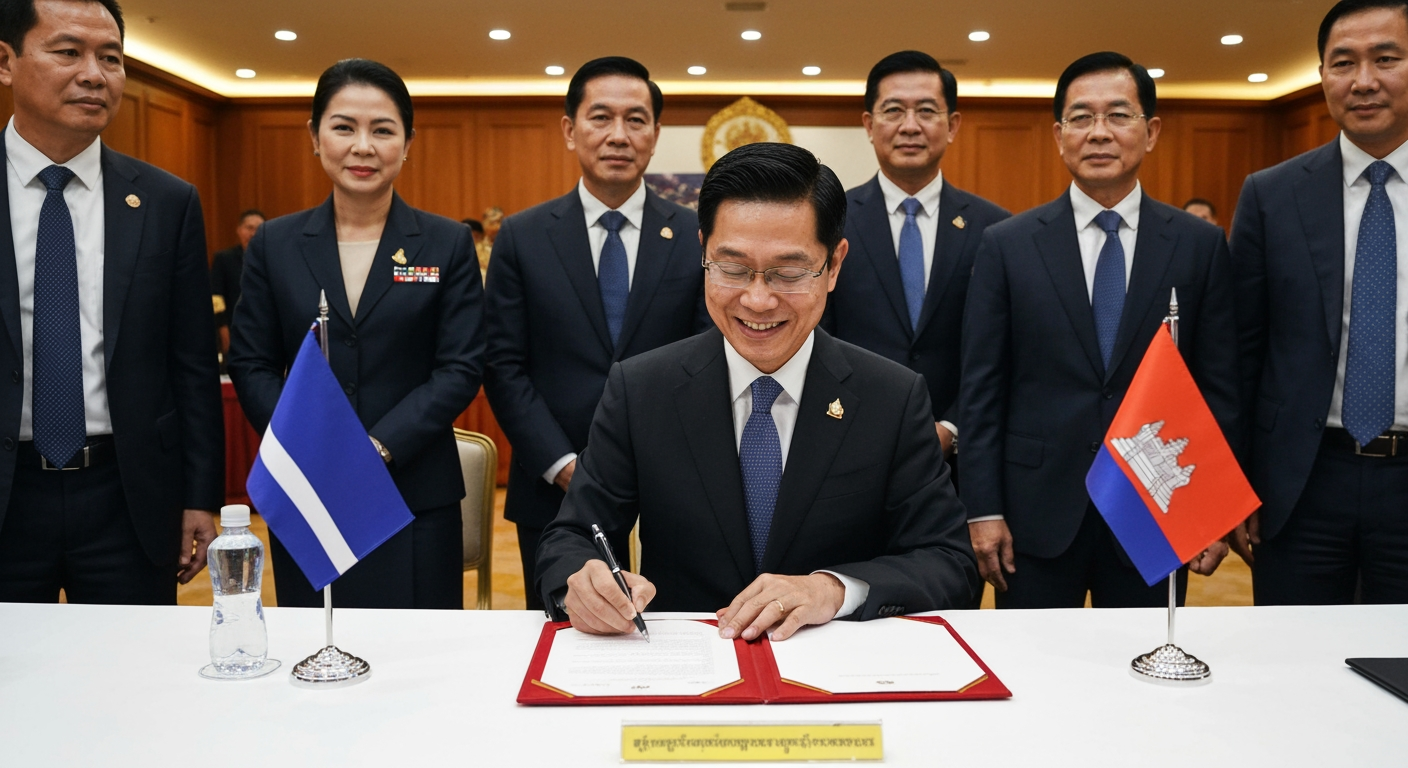
Kuala Lumpur, Malaysia – After weeks of renewed deadly hostilities and intense diplomatic pressure, Thailand and Cambodia have agreed to an immediate ceasefire, expected to take effect today, December 27, 2025, marking a critical, yet precarious, step towards de-escalation along their volatile shared border. This latest agreement follows a series of General Border Committee (GBC) meetings in Malaysia, underscoring the international community's urgent efforts to halt a conflict that has displaced hundreds of thousands and claimed dozens of lives. The truce comes just months after a similar ceasefire brokered in July proved short-lived, highlighting the deep-seated mistrust and unresolved territorial disputes that continue to plague relations between the two Southeast Asian nations.
A Cycle of Conflict and Short-Lived Truces
The current wave of violence between Thailand and Cambodia traces its immediate origins to a skirmish in late May 2025 that left a Cambodian soldier dead. This incident ignited a rapid and severe escalation of fighting between July 24 and 28, spreading across at least 12 border sites and resulting in artillery exchanges, rocket attacks, and even Thai airstrikes on Cambodian positions. The July clashes claimed at least 48 lives and displaced more than 300,000 civilians. In response, an "immediate and unconditional" ceasefire was declared on July 28, 2025, following talks in Kuala Lumpur, mediated by Malaysia and encouraged by the United States and China. This initial agreement, however, began to unravel within months, with minor skirmishes resuming in November and escalating into major clashes along the border throughout December. As of December 26, 2025, the recent fighting had resulted in at least 31 Cambodian civilian deaths and displaced over 610,000 people.
The heart of this enduring conflict lies in centuries of cultural rivalry, colonial-era treaties, and contested territorial claims, particularly surrounding ancient Khmer temples such as Preah Vihear and Ta Muen Thom. The International Court of Justice (ICJ) ruled in 1962 that the Preah Vihear Temple belonged to Cambodia but left the status of the surrounding land ambiguous, a point of contention that has fueled subsequent disputes. Tensions resurfaced dramatically in 2008 when Cambodia registered the temple as a UNESCO World Heritage site, leading to clashes between 2008 and 2011. In 2013, the ICJ reaffirmed Cambodian sovereignty over the temple and its immediate vicinity, obliging Thailand to withdraw its forces. Despite these rulings, sections of the border remain undemarcated and disputed, providing fertile ground for renewed conflict.
International Intervention and Diplomatic Maneuvers
The intensifying conflict spurred a flurry of international diplomatic activity. Malaysia, as the current chair of ASEAN, has been at the forefront of mediation efforts, hosting talks and issuing strong calls for an immediate cessation of hostilities. U.S. President Donald Trump also played a significant role, publicly warning both nations that trade negotiations would be paused until the fighting ceased, a move that observers believe pressured Thailand into accepting the July ceasefire more quickly. China, another regional power, also encouraged the ceasefire efforts.
Despite these high-level interventions, the path to peace has been fraught with challenges. Even as the latest GBC meetings were underway from December 24-26, 2025, reports emerged of continued fighting, including a Thai bombing of a Cambodian village on December 26. The atmosphere during these discussions was described as "tense" by reporters. While ASEAN foreign ministers called for an "immediate ceasefire and mutual de-escalation" on December 22, concerns remained about the bloc's capacity to enforce such agreements given its principle of non-interference.
The Human Cost and Regional Stability at Stake
The border conflict has exacted a devastating toll on civilian populations. The rapid escalation of violence has led to mass evacuations, with hundreds of thousands fleeing their homes on both sides of the border. Civilian areas have been hit by shelling and rocket fire, including hospitals in Thailand and a school in Cambodia. The widespread displacement has created a humanitarian crisis, disrupting livelihoods, particularly for border communities reliant on cross-border trade and interaction.
Beyond the immediate human suffering, the conflict poses a significant threat to regional stability. As one analyst noted, allowing "artillery duels and naval shelling to become habitual" could lead to a prolonged war in mainland Southeast Asia, eroding the idea of ASEAN as a security community. The inability to secure a lasting peace in this long-standing dispute challenges ASEAN's effectiveness and its stated aspirations to maintain peace and security in the region.
A Fragile Way Forward
The agreement for a ceasefire starting December 27, 2025, formalized by the respective defense ministers, represents a critical juncture. The terms of the agreement, though not fully disclosed, are expected to include provisions for mutual withdrawal of troops from the border under the watchful eye of an ASEAN Observer Team and a return to bilateral negotiations. However, deep-seated mutual distrust, persistent accusations of aggression, and unresolved territorial claims continue to present formidable obstacles to a lasting peace.
For communities along the border, the ceasefire offers a glimmer of hope, but also a cautious skepticism, given past failures. The success of this latest truce will depend not only on the immediate cessation of hostilities but also on sustained political will from both Bangkok and Phnom Penh, coupled with continued robust regional and international diplomatic engagement, to finally address the fundamental issues driving this protracted and costly dispute. The future of hundreds of thousands of lives and the credibility of regional security mechanisms hinge on transforming this fragile ceasefire into a durable peace.
Related Articles

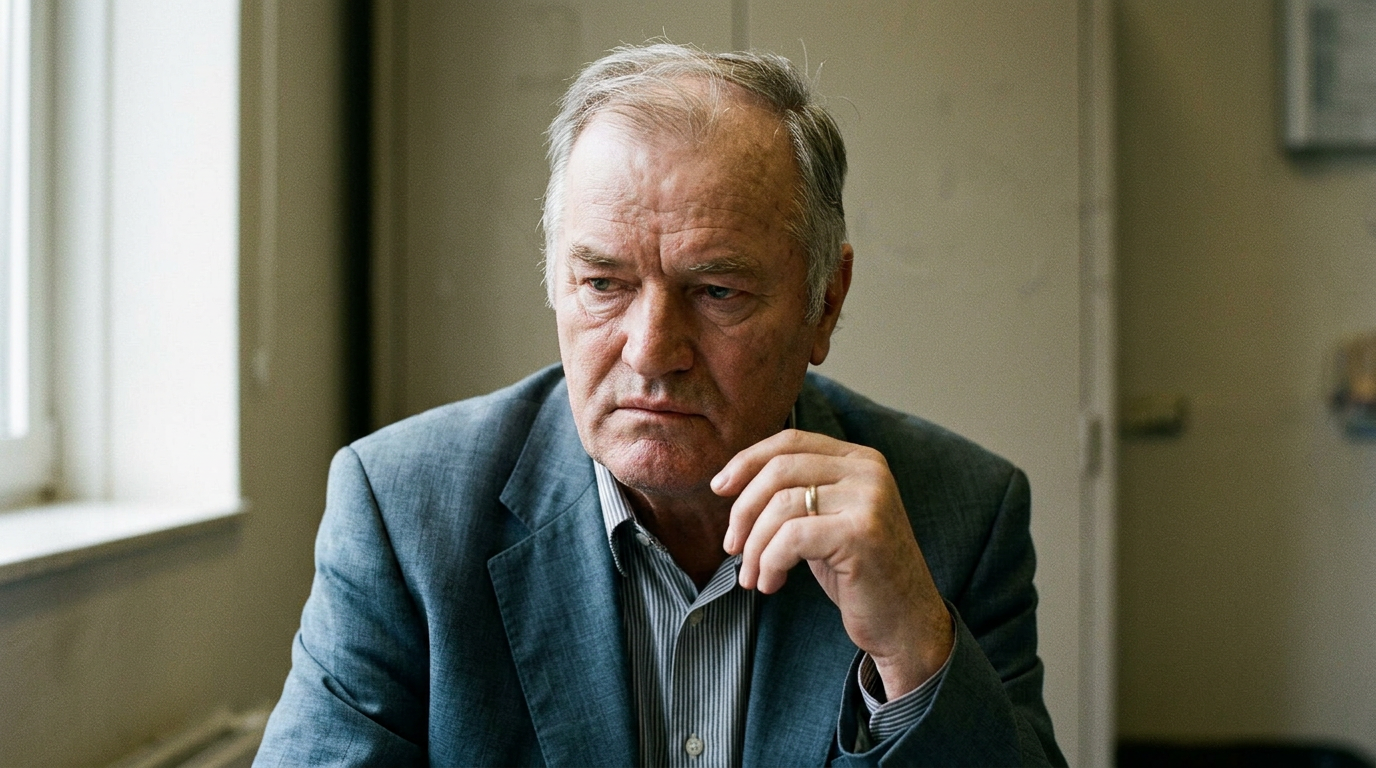
Ratko Mladić, "Butcher of Bosnia" and Convicted War Criminal, Dies at 84
THE HAGUE, Netherlands – Ratko Mladić, the former Bosnian Serb military commander known as the "Butcher of Bosnia" and convicted of genocide, war crimes, and crimes against humanity, has died at the age of 84. Serbian...

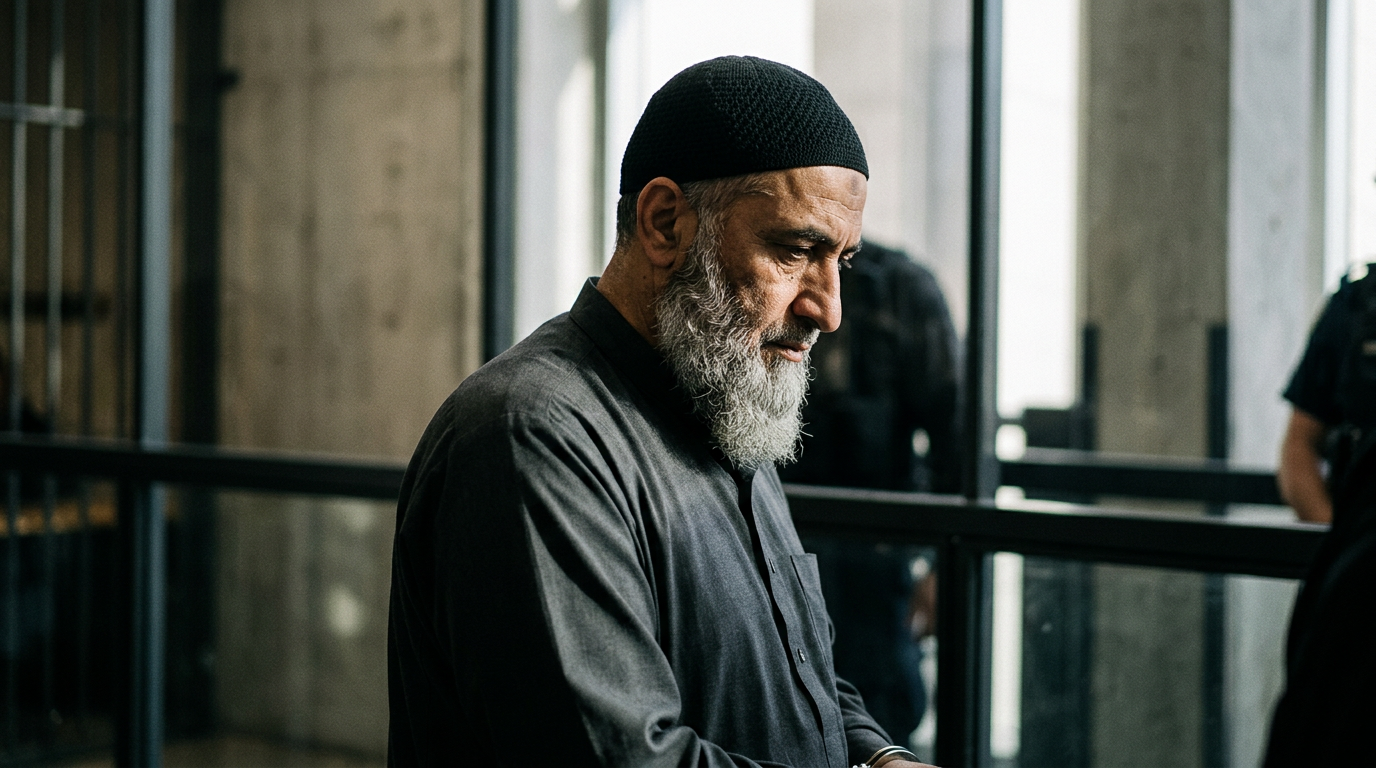
Long-Awaited 9/11 Mastermind Trial Set for 2028, Decades After Attacks
GUANTANAMO BAY, Cuba – Nearly a quarter-century after the devastating terror attacks of September 11, 2001, a military judge has finally set a trial date for Khalid Sheikh Mohammed, the alleged mastermind behind the...