France Pivots to New African Horizons at Landmark Kenya Summit
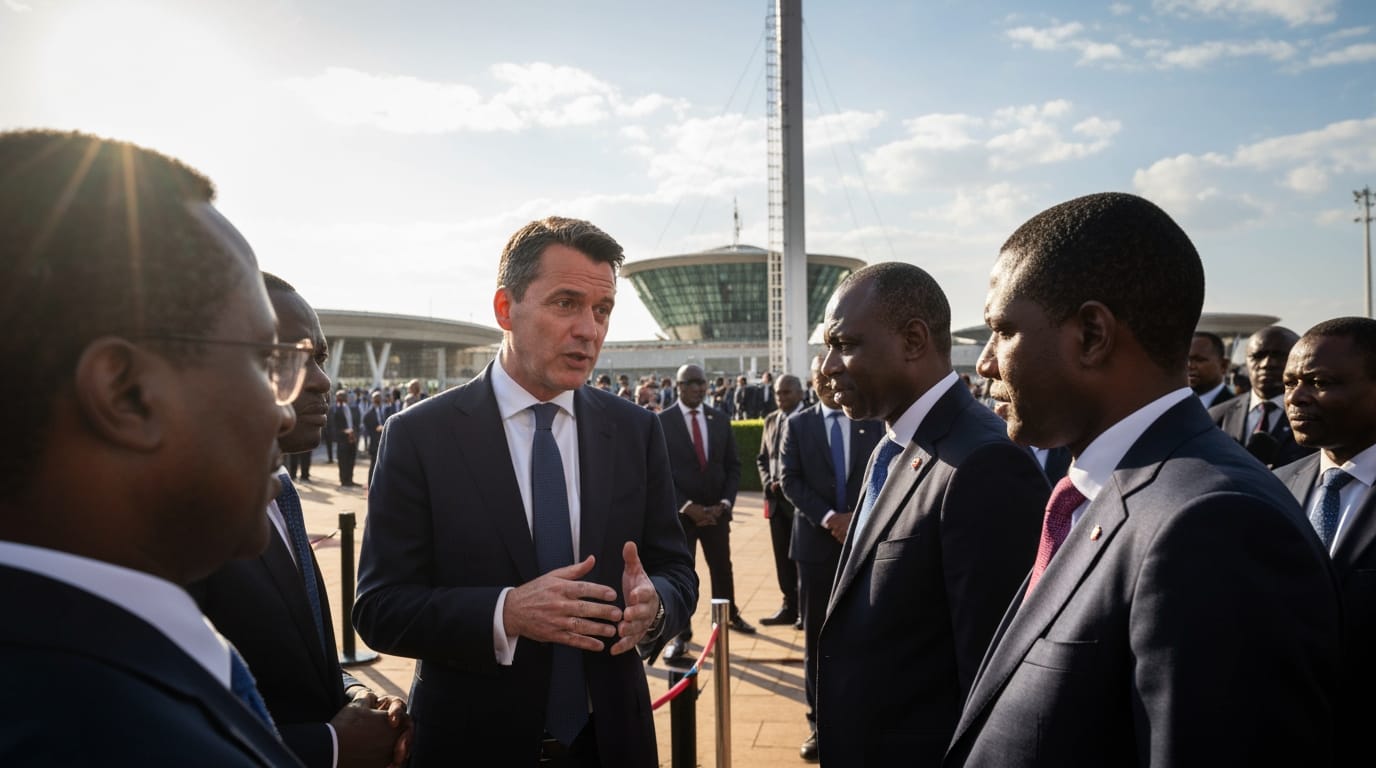
NAIROBI, KENYA – France is embarking on a significant reorientation of its African policy, actively seeking a "new era" of partnership at the inaugural Africa Forward summit co-hosted with Kenya in Nairobi from May 11-12, 2026. This high-stakes gathering represents a decisive pivot for Paris, aiming to forge more inclusive and balanced relationships across the continent, moving beyond its traditional strongholds in West Africa towards a broader engagement centered on shared growth, economic transformation, and youth participation. The summit, co-chaired by French President Emmanuel Macron and Kenyan President William Ruto, symbolizes a strategic shift designed to redefine France's role in a rapidly evolving geopolitical landscape, particularly as its influence wanes in several former colonies and global competition intensifies.
The impetus for this strategic recalibration stems from a series of profound shifts in the dynamics of France's long-standing ties with African nations. For decades, French foreign policy in Africa, often characterized by the term "Françafrique," involved a complex web of political, economic, and military relationships primarily with its former colonies, especially in the Francophone West African region. However, recent years have witnessed a significant erosion of this influence. A wave of coups across the Sahel region since 2020 has seen military rulers assert new independence, often leading to the expulsion of French troops and, in some cases, inviting Russian mercenary forces to fill the security vacuum. This pushback against what some perceive as lingering colonial interference has prompted a critical self-assessment in Paris. President Macron, who came to power in 2017 vowing to end the opaque practices of Françafrique, is now actively pursuing a "renewed partnership" that aims to address historical tensions and foster engagement with a wider array of African countries, including those in the Anglophone sphere. This summit in Kenya, an English-speaking nation, marks a deliberate move away from the historical Francophone-centric approach, signaling France's intent to build alliances based on mutual respect and shared interests rather than colonial legacy.
The "Africa Forward" summit is designed as a transformative platform, consciously moving beyond traditional diplomatic gatherings of heads of state and government. French Ambassador to Kenya, Arnaud Suquet, emphasized that the summit is not solely reserved for leaders, but rather a comprehensive platform engaging civil society, the private sector, and young people, reflecting a desire for a more grassroots and inclusive approach to partnership. The choice of Kenya as co-host is strategically significant. Paris views Kenya as a critical economic and diplomatic partner within Africa, largely due to its robust support for multilateralism and international law. Kenya's dynamic innovation ecosystem, burgeoning economy, and growing diplomatic influence further solidified its position as an ideal partner for this new initiative. President Ruto, for his part, sees the summit as a pivotal opportunity to showcase Kenya as a regional economic powerhouse, attract fresh investments, and amplify Nairobi's standing as a leading diplomatic capital in Africa. This collaboration underscores a mutual recognition of Africa's burgeoning potential and its demand for more equitable partnerships with global powers.
A wide array of pressing issues will dominate the discussions at the Nairobi summit, reflecting a concerted effort to foster concrete, mutually beneficial outcomes. Economic cooperation and trade are at the forefront, with France expressing particular interest in supporting advanced manufacturing sectors in Africa, such as pharmaceutical production, to reduce the continent's reliance on imported medical commodities. Initiatives to deepen trade ties will also be explored, including support for African exports like premium tea from Kenya to European markets. Beyond traditional trade, the summit will spotlight the immense potential of Africa's cultural and sports industries as emerging economic sectors capable of generating jobs and attracting significant investment. Energy transition is another critical pillar of the proposed partnership, with France keen to support Kenya's long-term energy goals, including discussions around nuclear energy development, while also learning from Kenya's globally recognized expertise in geothermal energy. Further key agenda items include reforming the international financial architecture, promoting green industrialization, developing the blue economy, enhancing connectivity, advancing artificial intelligence, ensuring sustainable agriculture, strengthening healthcare systems, and boosting digital competitiveness. These discussions underscore a shift from aid-centric models to investment-driven, innovation-led partnerships, aimed at fostering genuine co-creation and co-investment.
The implications of France's strategic pivot are far-reaching for both France and the African continent. For France, it represents an attempt to regain relevance and forge new alliances amidst a landscape of increasing competition from other global players like China, Russia, Turkey, the Gulf states, and India. By diversifying its partnerships beyond its historical comfort zone, France aims to secure its economic interests and maintain its diplomatic standing on a continent that is increasingly asserting its agency on the global stage. For African nations, the summit presents an opportunity to engage with a European power on more equitable terms, demanding partnerships built on mutual respect and shared responsibility. The focus on investment, innovation, and direct engagement with civil society and youth aligns with Africa's own aspirations for self-determined development and increased representation in international forums. While the success of this rebranding effort remains to be seen, the "Africa Forward" summit undeniably marks a significant juncture in the evolving relationship between France and Africa, signaling a concerted effort to build a future defined by collaboration and shared prosperity.
In conclusion, the Africa Forward summit in Nairobi is more than just a diplomatic meeting; it is a strategic declaration of intent. France, faced with shifting geopolitical realities and a desire to move past the vestiges of its colonial past, is actively seeking a new and broader partnership with African nations, exemplified by its choice to co-host with Kenya. By prioritizing economic cooperation, sustainable development, and inclusive engagement with diverse segments of African society, Paris aims to foster a relationship built on innovation and mutual growth. As the continent continues to assert its influence and demand a stronger voice in global affairs, this summit serves as a crucial test of France's ability to adapt, evolve, and forge truly equal partnerships that can withstand the pressures of a multipolar world. The outcomes of the discussions in Nairobi could well lay the groundwork for a new chapter in Franco-African relations, one defined by shared vision and tangible progress.


