German Ex-Leaders in the Spotlight: Can They Broker Peace in Ukraine?
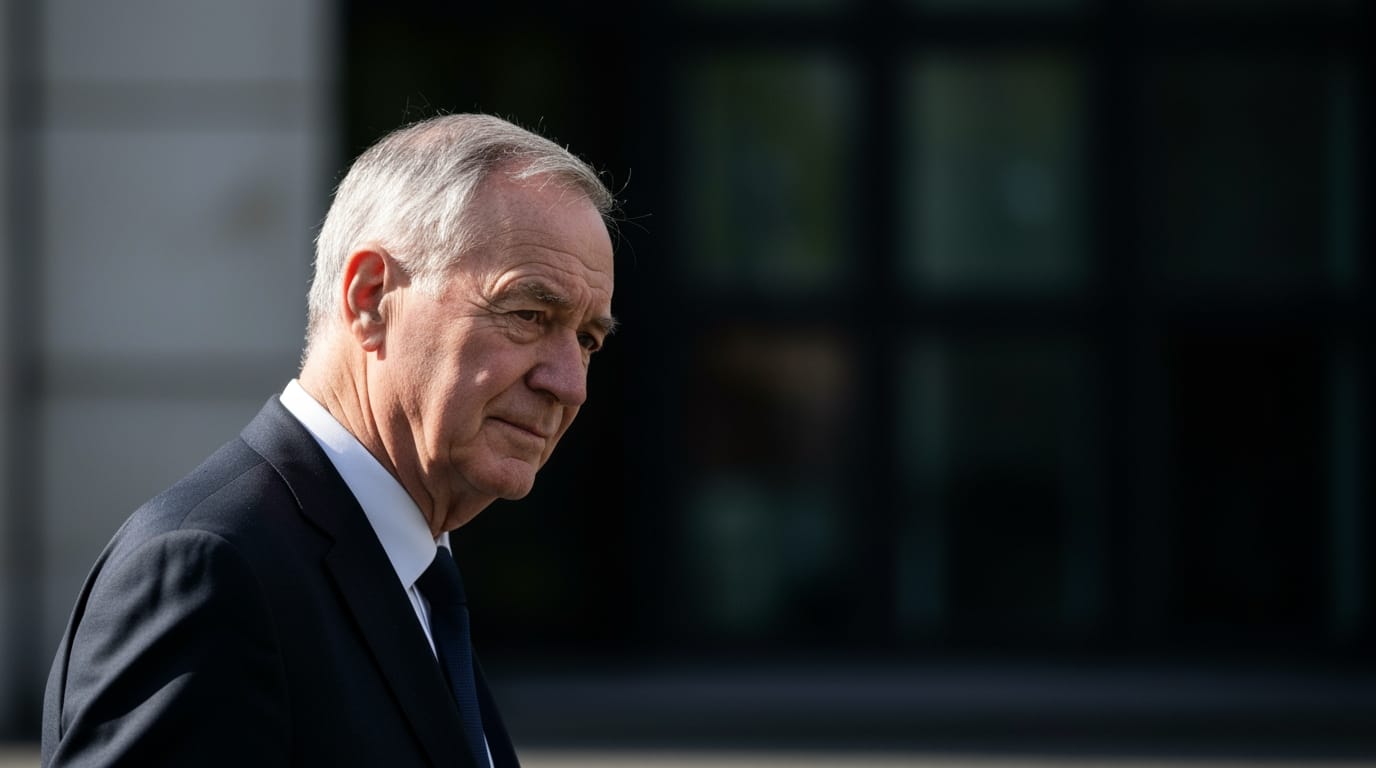
The protracted conflict in Ukraine has spurred renewed international calls for a diplomatic resolution, thrusting several former German leaders into a complex debate over potential mediation roles. Most notably, Russian President Vladimir Putin has openly suggested former German Chancellor Gerhard Schröder as a preferred European interlocutor, a proposition that has been met with considerable skepticism and outright rejection within Germany and across the Western alliance. The discussion highlights the intricate web of past diplomatic engagements, personal relationships, and geopolitical realities that complicate any attempt at peace brokerage.
The Controversial Case of Gerhard Schröder
Vladimir Putin's repeated endorsement of Gerhard Schröder as a potential mediator for peace talks between Russia and the European Union has ignited a firestorm of controversy. On Sunday, May 10, 2026, Putin reiterated his preference for Schröder, stating, "Of all European politicians, I would prefer talks with Schröder". This suggestion, however, is largely dismissed by the current German government. Berlin views Putin's offer as "not credible" and part of a "series of bogus offers" designed to sow discord among Western allies, particularly as Russia's conditions for ending the war remain unchanged.
Schröder, who served as Chancellor from 1998 to 2005, has long faced severe criticism for maintaining close personal ties with Putin and accepting lucrative positions with Russian state-owned energy companies after leaving office. His past statements have often aligned with Moscow's demands; in August 2022, he claimed Moscow sought a "negotiated solution" and suggested Ukraine should cede its claim to Crimea and abandon its NATO aspirations. While some within Schröder's own Social Democratic Party (SPD) have urged for "careful consideration" of any offer that could bring peace closer, others, like SPD politician Michael Roth, have labeled Putin's proposal an "affront" and stressed that a mediator "cannot simply be Putin's buddy". A key impediment to Schröder's credibility as a mediator is the widely held view that any effective peace broker must be acceptable to Ukraine, a condition his close association with Putin seemingly precludes.
Angela Merkel's Diplomatic Legacy and the Minsk Accords
Another former German leader whose past involvement in the region is frequently recalled is former Chancellor Angela Merkel. During her 16 years in power, Merkel actively engaged in diplomatic efforts concerning Ukraine and Russia, most notably brokering the Minsk peace deals in 2015 alongside then-French President François Hollande. While initially presented as a pathway to peace, Merkel has since clarified her perspective on these agreements. In 2022, she stated that the 2014 Minsk agreement was "an attempt to give Ukraine time" to strengthen itself, a period Kyiv successfully utilized. This revelation has led some to interpret the accords as a strategic "stalling tactic" rather than a genuine peace-building endeavor.
Despite her extensive experience in navigating complex international relations with Russia, there are currently no indications that Angela Merkel is being considered for a renewed mediation role in the ongoing conflict. Her focus appears to be on reflecting on her legacy rather than actively seeking a new diplomatic engagement in the current, highly charged environment.
Frank-Walter Steinmeier: A Current President's Perspective
Current German President Frank-Walter Steinmeier, who previously served as Foreign Minister and was involved in the Minsk negotiation process, has also weighed in on the prospects for peace. Steinmeier has consistently argued that the conditions for meaningful peace talks between Ukraine and Russia are not yet in place. He emphasized that Ukraine needs a "just peace" and that negotiations can only commence when appropriate conditions for such an outcome are established. According to Steinmeier, a ceasefire without guarantees for a just and equitable peace for Kyiv would be unsustainable. He also voiced skepticism regarding external peace initiatives, such as China's recent proposals, urging all parties to engage directly with Kyiv.
Interestingly, some discussions within Germany's ruling coalition have considered Steinmeier as a potential candidate for an EU negotiator role, especially as his presidential term approaches its conclusion in January 2027. The idea of a "negotiating duo" involving both Schröder and Steinmeier has even been floated, though the viability of such a partnership, given the divergent views on Schröder, remains highly questionable.
Obstacles to Effective Mediation
The prospect of any German ex-leader successfully mediating a peace deal in Ukraine faces formidable obstacles. Foremost among these is the profound lack of trust between the warring parties and the international community's skepticism toward Russia's intentions. Germany's official stance, articulated by government spokespersons, is that there are "no signs that Moscow was interested in serious negotiations". Any genuine peace talks, Berlin asserts, would necessitate close coordination with all European Union member states and, critically, with Ukraine itself.
Moreover, the fundamental differences in what constitutes "peace" for Kyiv and Moscow remain irreconcilable. Ukraine seeks a complete restoration of its territorial integrity and sovereignty, while Russia continues to impose conditions that include territorial concessions and limitations on Ukraine's geopolitical alignment. The history of the Minsk Agreements, now seen by some as a period for military strengthening rather than genuine de-escalation, further underscores the challenges of achieving a lasting resolution through negotiation alone.
Conclusion
While the diplomatic experience of former German leaders is undeniable, their individual histories and current geopolitical standing present a complex picture regarding their potential to broker peace in Ukraine. Gerhard Schröder's close ties to Vladimir Putin render him largely unacceptable to Kyiv and many Western nations, effectively sidelining him as a credible, impartial mediator. Angela Merkel's past efforts, while having bought Ukraine valuable time, are not being actively pursued in the current context. Frank-Walter Steinmeier, despite his diplomatic background, maintains that the conditions for a just peace are not yet ripe. The path to peace remains arduous, and any successful mediation effort would require not only a trusted and impartial figure but also a fundamental shift in the willingness of both Russia and Ukraine to genuinely negotiate, a development yet to materialize.


