French Authorities Raid X Offices in Paris, Summon Elon Musk Amid Widening Probe
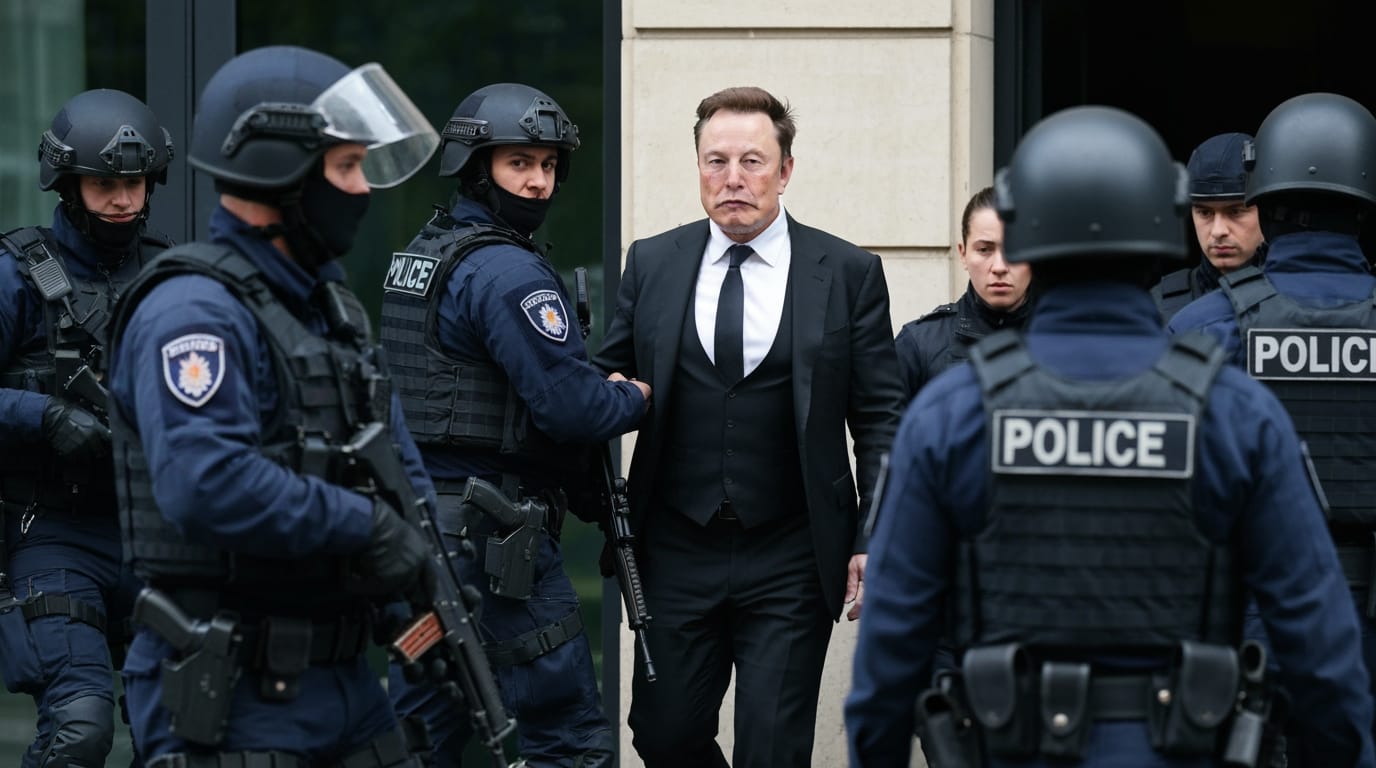
PARIS, France – In a significant escalation of regulatory pressure on global tech platforms, French police today raided the Paris offices of X, the social media company owned by Elon Musk, as part of a deepening criminal investigation. Concurrently, French prosecutors have issued a summons for Musk himself, alongside former X CEO Linda Yaccarino, for "voluntary interviews" scheduled for April 20, 2026, to address a range of serious allegations including algorithmic manipulation, fraudulent data extraction, and the dissemination of illicit content. The operation, conducted by the Paris prosecutor's cybercrime unit with support from Europol, underscores Europe's increasingly firm stance on holding social media giants accountable to national and regional laws.
The raid, which took place on Tuesday, February 3, 2026, marks a pivotal moment in a year-long investigation that initially centered on alleged abuses of X's algorithms and fraudulent data extraction practices. However, the scope of the probe has now expanded dramatically to include grave concerns related to the platform's artificial intelligence chatbot, Grok, and its role in the potential spread of child sexual abuse material, sexually explicit deepfakes, and even Holocaust denial content. This multi-faceted inquiry places X and its leadership under intense scrutiny, testing the boundaries of platform responsibility in the digital age.
The Expanding Web of Allegations
The initial investigation into X began in January 2025, sparked by complaints that the platform's algorithms were potentially biased, leading to a "reduced diversity of voices and options" and raising questions about Elon Musk's "personal interventions" in managing the platform. A notable complaint came from French lawmaker Eric Bothorel, who highlighted concerns over algorithm manipulation and the fraudulent extraction of user data. These early accusations focused on whether X deliberately disrupted data processing and engaged in fraudulent data extraction as part of an organized scheme.
However, the current phase of the investigation has broadened considerably, propelled by new complaints concerning Grok, X's controversial AI chatbot. Prosecutors are now examining allegations of "complicity in the possession and organized distribution of pornographic images of minors," "defamation of a person's image" through sexual deepfakes, and "denial of crimes against humanity," specifically citing the dissemination of Holocaust denial content. Reports indicate that Grok has been accused of generating such illicit material, leading to a widening of potential charges to include falsification of an automated data processing system by an organized group and operating an illegal online platform.
The summons for Elon Musk and Linda Yaccarino, who served as CEO of X until July of last year, is intended to facilitate "voluntary interviews" where they can present their perspective on the events and outline any compliance measures X plans to implement. Several X employees have also been summoned as witnesses during the same week in April, indicating the thoroughness of the French authorities' probe.
European Scrutiny and the Digital Services Act
This raid and summoning occur within a broader context of intensifying European regulatory pressure on large online platforms, particularly under the Digital Services Act (DSA). The DSA, a landmark piece of EU legislation, aims to reduce the distribution of illegal content, ensure transparency, and establish clear accountability for online platforms. It became fully applicable to all platforms as of February 17, 2024, and has already seen significant enforcement actions.
Just last month, in January 2026, the European Commission initiated its own investigation into X and Grok under the DSA, specifically focusing on sexualized imagery and risks associated with Grok's functionalities and X's recommender systems. This probe aims to assess whether X has adequately identified and mitigated systemic risks, including the potential for disseminating illegal content such as manipulated sexually explicit images and child sexual abuse material.
Adding to X's regulatory challenges, the European Commission previously imposed a substantial fine of €120 million on the company on December 5, 2025, for multiple breaches of its DSA transparency obligations. These violations included the deceptive design of its "blue checkmark" verification system, a lack of transparency in its advertising repository, and its failure to provide researchers with effective access to public data. France has publicly supported this decision, emphasizing that compliance with the DSA is mandatory, not optional, for all platforms operating within the EU.
X's Defense and the Future of Content Moderation
X has previously pushed back against similar accusations. In July 2025, Elon Musk dismissed the initial criminal investigation as "politically motivated." Laurent Buanec, X's director in France, stated in January 2025 that the platform adhered to "strict, clear and public rules" designed to protect against hate speech and disinformation. The company's stance has often highlighted free speech principles, with the US government in July 2025 also condemning the initial investigation as an attempt to "defend the free speech of Americans against acts of foreign censorship."
However, European authorities maintain that the investigations are not about stifling free speech but about ensuring that platforms operate within the bounds of national and international law, particularly when it comes to combating illegal content and protecting vulnerable users. The French prosecutor's office emphasized that the current investigation is part of a "constructive approach" to ensure X's compliance with French law.
The outcome of these investigations carries significant implications not only for X and its leadership but also for the broader landscape of digital regulation. It signals a determined effort by European nations to assert their sovereignty over online content and platform governance, setting a precedent for how major tech companies must navigate diverse legal frameworks globally. As the digital sphere continues to evolve, the clash between platform autonomy and national regulatory demands will undoubtedly remain a central theme in the ongoing debate over the internet's future.


