Iceland to Hold Referendum on Rekindling EU Membership Bid Amid Shifting Global Landscape
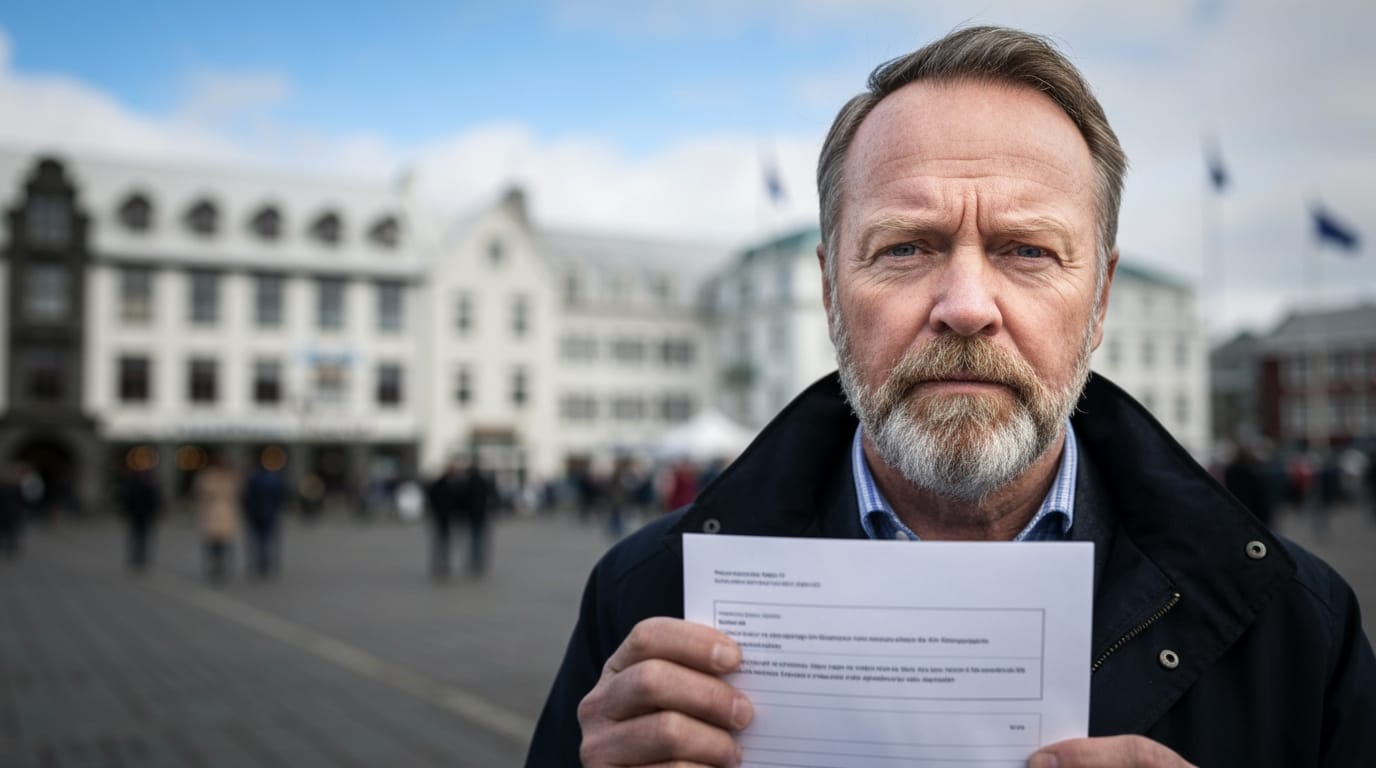
REYKJAVIK, Iceland – More than a decade after suspending its application, Iceland is poised to revisit the question of European Union membership. The Icelandic government announced Friday, March 6, 2026, that a national referendum will be held on August 29, 2026, to decide whether the North Atlantic island nation should resume accession negotiations with the European Union. This pivotal decision comes amidst a complex interplay of geopolitical anxieties, economic pressures, and a re-evaluation of the country's long-term strategic interests.
The proposal, which requires parliamentary approval, signals a potential turning point for a nation that has historically guarded its independence, particularly over its invaluable fishing resources. The outcome of the August vote could reshape Iceland’s economic future, influence its security posture, and redefine its relationship with the broader European continent.
The Long Road to Brussels: A History of Engagement and Retreat
Iceland's journey toward potential EU membership is marked by a distinctive path, characterized by periods of both close engagement and strong resistance. The initial impetus for joining the bloc emerged in 2009, in the tumultuous wake of the 2008 global financial crisis that decimated the country's banking sector. Seeking economic stability and the potential adoption of the Euro, the then-Social Democratic Alliance-led government formally applied for EU membership in July 2009, with accession negotiations commencing in 2010.
However, the enthusiasm for membership proved short-lived. By 2013, a newly elected center-right, Euroskeptic coalition government suspended the talks, citing concerns over national sovereignty and, most significantly, the EU's Common Fisheries Policy (CFP). The fishing industry, which accounts for a substantial portion of Iceland's economy and exports, remained a critical sticking point. Icelandic officials expressed fears that adopting the CFP would compromise their control over lucrative fishing grounds and their sustainably managed marine resources. Despite the suspension, the EU maintained that Iceland had not formally withdrawn its application until 2015, when the Icelandic government declared the negotiations officially terminated.
Despite never achieving full membership, Iceland maintains deep ties with the EU through its participation in the European Economic Area (EEA) since 1994, which grants access to the EU single market. It is also part of the Schengen Zone, allowing for border-free travel. These existing frameworks highlight a paradox in Iceland’s relationship with Europe: significant integration without direct influence in EU decision-making.
Geopolitical Currents and Economic Imperatives Drive Renewed Debate
The decision to hold a referendum now reflects a noticeable shift in domestic priorities and external perceptions. Prime Minister Kristrún Frostadóttir's center-left coalition government, which assumed power in 2024, initially aimed for a referendum by 2027 but expedited the timeline due to evolving circumstances.
A significant catalyst for this renewed discussion is the escalating geopolitical instability, particularly concerning the Arctic region. Concerns intensified following former U.S. President Donald Trump's controversial remarks about acquiring Greenland, which resonated deeply in the small, unarmed island nation. Coupled with Russia's ongoing war in Ukraine and broader trans-Atlantic tensions, these events have underscored Iceland's vulnerability and its reliance on NATO and a bilateral defense agreement with the United States. The prospect of EU membership is now seen by some as a means to enhance national security through a stronger alignment with a larger political and economic bloc.
Economic pressures also play a crucial role. Iceland has been grappling with a rising cost of living and persistent inflation, leading to renewed discussions about the stability of the Icelandic Krona, one of the world's smallest currencies. A June 2024 poll revealed that nearly 67% of respondents believed households would benefit from Euro adoption, a potential long-term outcome of EU membership. Many Icelandic businesses already manage accounts in Euros, benefiting from its stability and access to more favorable loan terms.
A Divided Nation, A Coalition's Compromise
The current Icelandic government, a coalition of the Social Democratic Alliance, the Liberal Reform Party, and the People's Party, represents a diverse spectrum of views on EU integration. While the Social Democratic Alliance and the Liberal Reform Party are generally pro-EU and proponents of closer ties, the People's Party has historically held a staunch anti-EU stance. The agreement to hold a referendum is a testament to a political compromise, allowing the Icelandic populace to voice its opinion on a matter that has long been a source of domestic contention. Foreign Minister Þorgerður Katrín Gunnarsdóttir, a prominent figure in the pro-EU Liberal Reform Party, confirmed the government's consensus on holding the referendum, though she reiterated that she would not endorse any agreement that compromises Iceland's control over its natural resources.
Public opinion surveys reflect a nation grappling with its future direction. A recent poll conducted between February 19 and March 4, 2026, indicated that 57% of respondents supported resuming EU talks, with over 30% opposed. Another poll from June 2024 showed that while 54.3% favored joining the EU, a significant majority of 74.2% considered it important to hold a referendum on the matter. Interestingly, residents in the capital area tend to be more supportive of reopening negotiations than those in rural regions, underscoring potential regional divides on the issue.
The Path Forward: Hurdles and Hopes
Should the August 29 referendum yield a "yes" vote, Iceland would embark on a complex and potentially lengthy accession process. Joining the EU requires prospective member states to adopt 35 chapters of EU law, covering everything from financial systems and transport networks to agricultural regulations and fundamental freedoms. The negotiations would undoubtedly be arduous, with fisheries remaining the most challenging chapter. The EU's Common Fisheries Policy, which dictates quotas and access to fishing grounds, starkly contrasts with Iceland's fiercely protected and sustainably managed industry. Successfully navigating this issue would require significant concessions or innovative solutions from both sides.
The EU, through Enlargement Commissioner Marta Kos, has already expressed a welcoming sentiment, emphasizing the bloc's role as an "anchor in a community of values, prosperity and security." However, the path to full membership requires unanimous approval from all current EU member states, adding another layer of complexity to any future negotiations.
A Defining Moment for a North Atlantic Nation
The upcoming referendum marks a defining moment for Iceland. It represents a democratic exercise to resolve a long-standing debate about the country's place in Europe and the world. The decision to resume EU accession talks is not merely a technical step but a profound geopolitical and economic calculation for a small, strategically located nation. It balances the deeply ingrained desire for sovereignty and control over its natural resources against the potential benefits of enhanced security, economic stability, and greater influence within a powerful regional bloc. The August 29 vote will ultimately determine whether Iceland chooses to re-engage with the European project or continue its distinct path as a closely allied, yet independent, European nation.


