Nepal's Political Earthquake: New Guard Surges in Historic Election Amidst Calls for Change
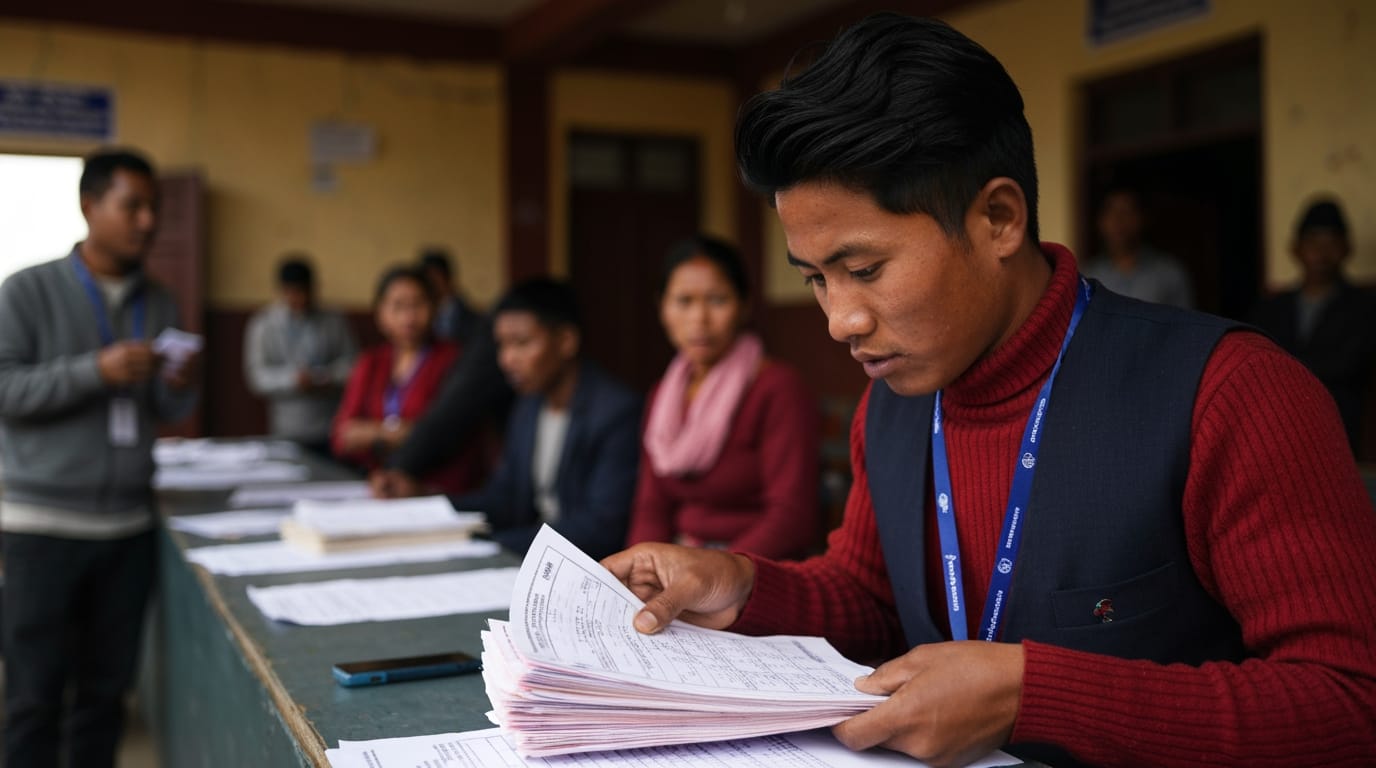
KATHMANDU – Nepal is witnessing a profound political transformation, as early vote returns from the parliamentary election held on March 5, 2026, indicate a significant shift away from the nation's long-dominant political establishment. The nascent Rastriya Swatantra Party (RSP), led by rapper-turned-politician Balendra Shah, appears poised for a remarkable victory, riding a wave of public disillusionment and a fervent demand for accountability and reform. This election, the first since the tumultuous Gen Z-led protests of 2025, represents a critical juncture for the Himalayan nation, challenging entrenched power structures and signaling a new era in its democratic journey.
The Rise of an Unconventional Force
The Rastriya Swatantra Party, a political entity formed just four years prior, has emerged as the dominant force in preliminary vote counts. Early trends show the RSP leading in a substantial number of constituencies, with some reports indicating leads in over 100 of the 165 directly elected seats. This strong performance places the RSP far ahead of traditional parties such as the Nepali Congress, the Communist Party of Nepal (Unified Marxist-Leninist) (CPN-UML), and the Nepali Communist Party, which are trailing in the initial tallies. Balendra Shah, the charismatic 35-year-old former mayor of Kathmandu, has become the face of this political upheaval. His appeal, particularly among the youth, stems from a platform that champions good governance, tackles corruption, and offers a stark contrast to the seasoned politicians who have historically held sway. Shah's potential ascent to Prime Minister would mark him as the youngest ever to hold the office and could usher in Nepal's first majority mandate in 27 years, fundamentally altering the country's political discourse.
Echoes of Discontent: The 2025 Uprising
The current election is deeply rooted in the widespread discontent that culminated in the September 2025 Gen Z protests. These demonstrations, initially sparked by a social media ban, quickly escalated into a broader expression of frustration against endemic corruption, rampant nepotism, economic stagnation, and an unresponsive political class. The protests, which saw thousands take to the streets, resulted in over 70 deaths and ultimately led to the resignation of then-Prime Minister K.P. Sharma Oli. Former Chief Justice Sushila Karki was subsequently appointed as Nepal's first female prime minister to oversee a caretaker government and facilitate early elections. This period of unrest laid bare the deep-seated grievances of the populace, especially among younger generations, who demanded systemic change and greater accountability from their leaders.
A Fragile Mandate: Implications for Governance
Nepal's mixed electoral system, combining first-past-the-post and proportional representation, often results in fragmented mandates, necessitating coalition governments. While the RSP's early lead is significant, the final composition of the 275-member House of Representatives will determine the stability and direction of the next administration. The historic dominance of the Nepali Congress and various communist factions has often led to unstable coalitions, internal feuds, and a perceived lack of meaningful progress. The current election serves as a referendum on this established political order, with voters clearly signaling a desire for new leadership and genuine reform. The unprecedented challenge mounted by the RSP underscores a fundamental shift in voter expectations, emphasizing performance over traditional party affiliations.
Path Forward: Hopes, Challenges, and a New Political Trajectory
The enthusiasm surrounding the RSP's performance reflects a profound hope among Nepalis for an end to corruption and the institutionalization of meaningful change. Voters, including those who have returned from abroad, express a strong desire for a transformed Nepal, free from the cycles of political instability and corruption that have plagued the country for decades. However, the road ahead is fraught with challenges. The incoming government will be tasked with fulfilling the high expectations generated by the youth movement and the election results, addressing pressing issues such as unemployment, improving governance, and carefully navigating Nepal's complex geopolitical position between India and China. This election not only tests the resilience of Nepal's democratic institutions but also sets the stage for whether a new generation of political leaders can deliver on the promise of a more stable, accountable, and prosperous future. The unfolding results will shape Nepal's trajectory for years to come, marking a pivotal moment in its political history.


