Axel Springer Secures UK's Telegraph in Landmark £575 Million Deal, Ending Ownership Saga
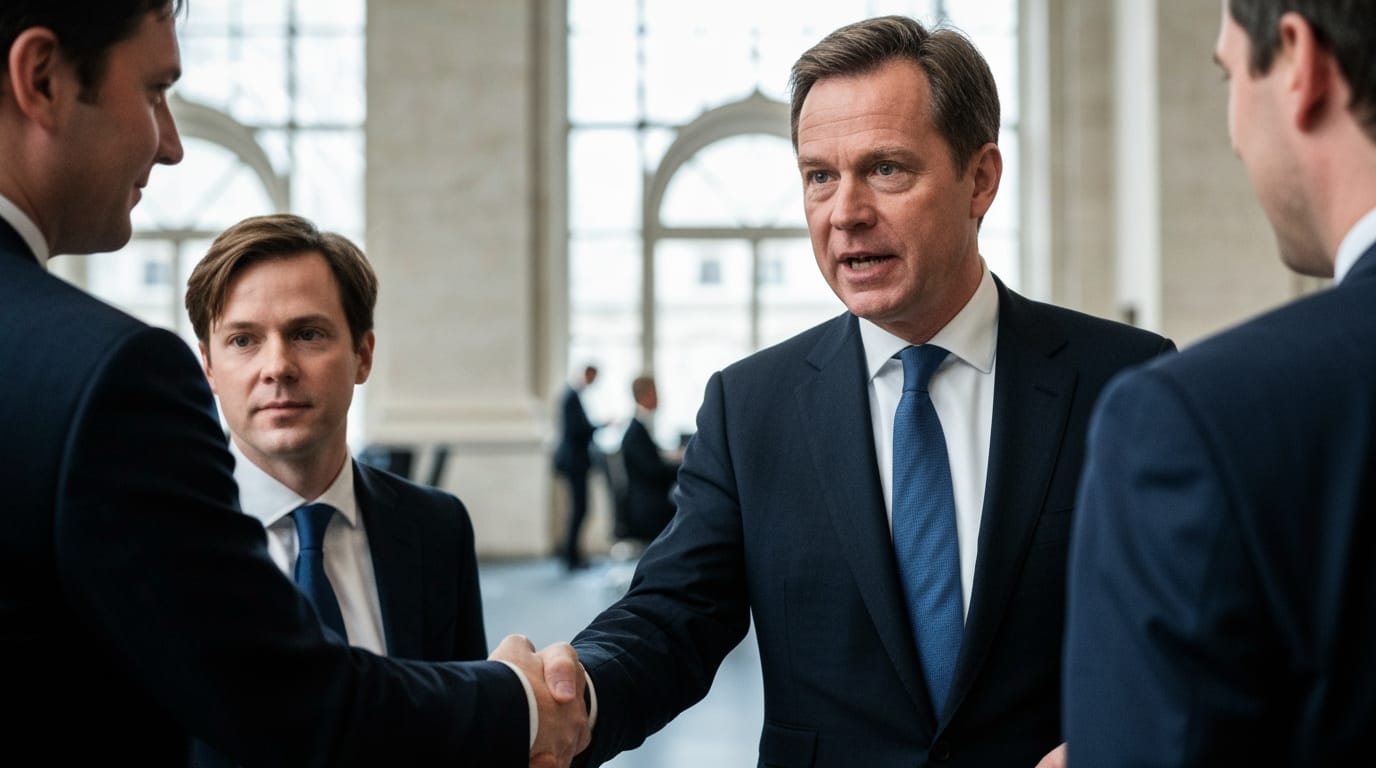
LONDON, UK – German media conglomerate Axel Springer has successfully reached an agreement to acquire Telegraph Media Group, publisher of the venerable Daily Telegraph and Sunday Telegraph, for a reported £575 million in an all-cash deal. The acquisition, confirmed Friday, marks a significant moment for the 171-year-old British institution, bringing an end to three years of intense ownership uncertainty and scuppering a rival bid from the Daily Mail's parent company. This strategic move signals Axel Springer's long-held ambition to expand its influence within the English-speaking media landscape and accelerate the Telegraph's digital transformation.
A Long-Sought Prize and a Digital Vision
For Axel Springer, the acquisition of The Telegraph represents the culmination of a decades-long aspiration. CEO Mathias Döpfner described the successful bid as a "dream come true," recalling a previous unsuccessful attempt to purchase the British newspaper more than 20 years ago in 2004. The Berlin-based media giant, which already owns prominent titles such as Germany's Bild, Die Welt, Politico, and Business Insider, views The Telegraph as a critical asset in its strategy to become a leading center-right media voice globally.
Axel Springer plans to invest substantially in the Telegraph group, aiming to "turbocharge" its expansion into the U.S. market by leveraging the expertise of its existing international brands. The company's corporate strategy emphasizes AI-based journalism, expanding media marketing platforms, and developing new growth areas, with a stated goal of doubling its value within five years. Axel Springer sees artificial intelligence as playing a pivotal role in the future of digital journalism, aiming to merge human and AI intelligence to enhance content creation and user engagement.
The Tumultuous Path to Sale
The path to Axel Springer's successful bid was paved with considerable financial distress and political interventions. The Telegraph Media Group was originally put up for sale in 2023 by Lloyds Banking Group. This drastic measure followed the accumulation of over £1 billion in unpaid debts by the Barclay family, who had owned The Telegraph since 2004 after acquiring it for £665 million. Lloyds appointed receivers to take control of the media group in an effort to recoup the substantial loans.
A complex period of uncertainty ensued, marked by a provisional deal with RedBird IMI, an Abu Dhabi-backed consortium. In December 2023, RedBird IMI intervened by helping the Barclay family repay their significant debt to Lloyds. This move initially appeared to secure the future of the publications, with the intention for RedBird IMI to eventually convert its loans into equity, thereby taking control.
However, this proposed takeover swiftly encountered significant political backlash in the UK. Concerns were raised by politicians across the spectrum regarding the potential for foreign state ownership of influential British media assets, particularly given Abu Dhabi's record on press freedom. The UK government intervened, triggering an investigation and ultimately introducing new legislation in 2024 designed to block foreign governments from owning UK newspapers and current affairs magazines. This legislative action effectively thwarted RedBird IMI's planned acquisition, forcing the consortium to seek an onward sale.
A Bidding War and Regulatory Hurdles
The mandated resale initiated a new bidding war for The Telegraph. Among the most prominent contenders was the Daily Mail and General Trust (DMGT), owned by Lord Rothermere, which had agreed to a £500 million deal to purchase The Telegraph in November of the previous year. This offer was subject to rigorous regulatory scrutiny, with the UK's Culture Secretary initiating an investigation into the potential impact on media plurality and competition, given DMGT's significant existing presence in the British news market. Just last week, the government had lifted some restrictions, allowing DMGT to acquire an option to buy the Telegraph, a move that prompted rival bidders to consider legal challenges.
Other interested parties included a consortium led by Dovid Efune, publisher of The New York Sun, which Axel Springer had initially joined before making its own direct offer. Hedge fund magnate Sir Paul Marshall, who had previously acquired The Spectator magazine for £100 million in a separate transaction in 2024, also showed interest in the Telegraph titles.
Axel Springer's £575 million all-cash bid ultimately surpassed DMGT's £500 million offer, proving decisive in securing the sale. Unlike DMGT, Axel Springer's limited current footprint in the UK news market may present fewer competition and plurality concerns for regulators, potentially smoothing the path to final approval.
Conclusion: A New Chapter for a British Institution
The agreement for Axel Springer to acquire Telegraph Media Group marks a pivotal moment for one of Britain's most historically significant newspapers. After years fraught with financial instability, political maneuvering, and a competitive bidding process, The Telegraph now faces a new chapter under German ownership. The deal, though still subject to final approval from UK government and competition regulators, positions Axel Springer to further its global digital expansion, particularly within the English-speaking world, and to implement its vision for AI-driven journalism. For The Telegraph, the acquisition promises a period of renewed investment and strategic direction after a prolonged period of uncertainty, while observers will keenly watch the implications of its integration into a major international media powerhouse.


