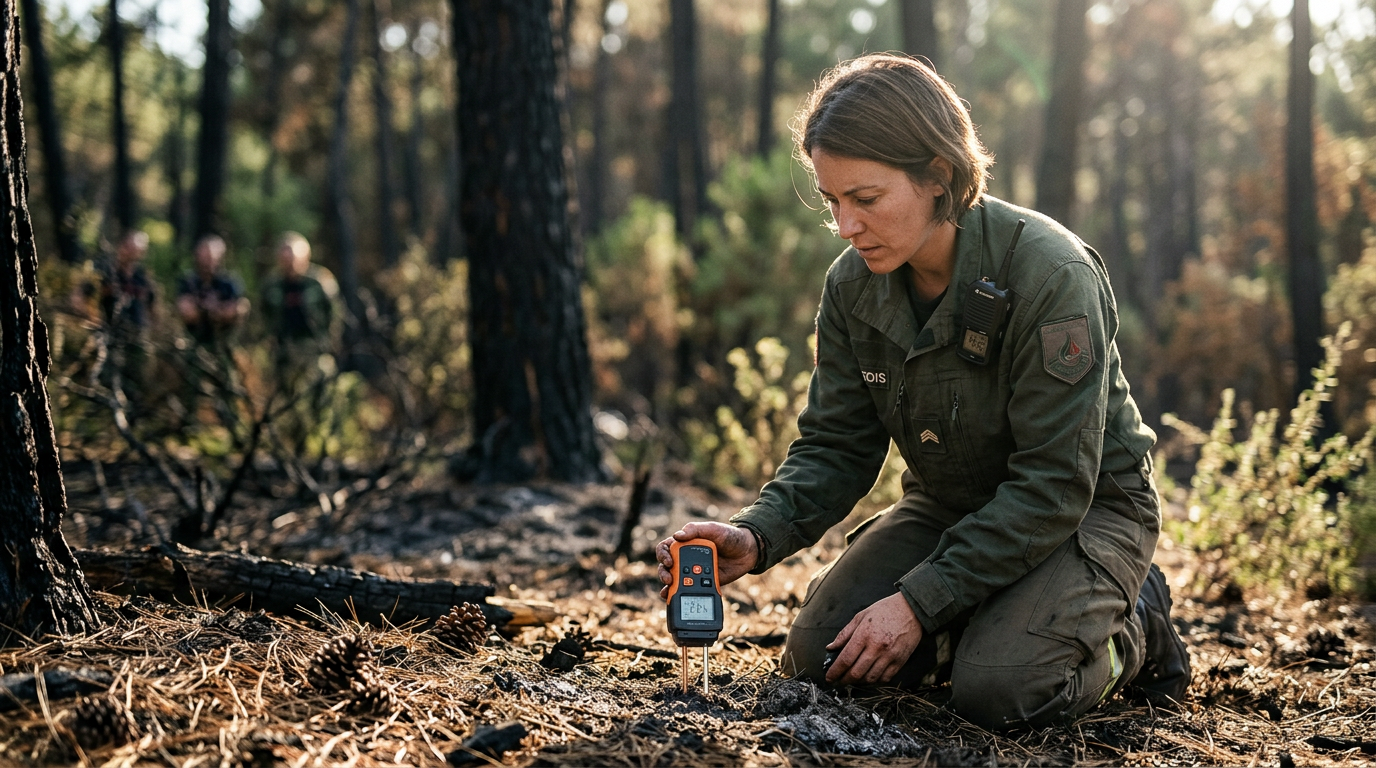
From Iron Curtain to Green Haven: Europe's Green Belt Leads a Wave of Global Ecological Triumphs

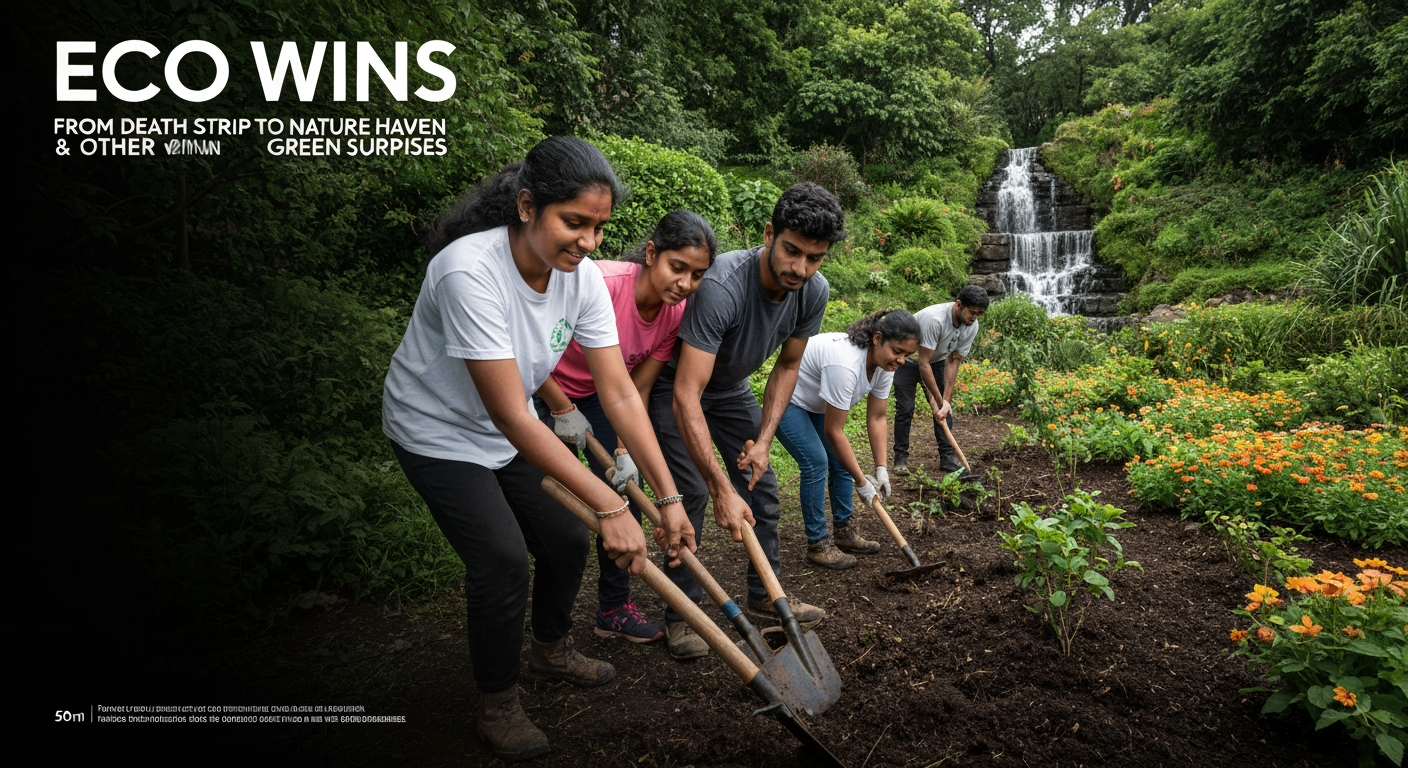
In an era often dominated by environmental concerns, stories of remarkable ecological recovery offer a powerful counter-narrative, revealing nature's resilience and the profound impact of dedicated conservation efforts. Across continents, landscapes once scarred by human conflict or development are transforming into vibrant ecosystems, providing unexpected sanctuaries for biodiversity and hope for a sustainable future. These "eco wins" range from vast trans-national nature corridors to innovative urban greening projects, demonstrating that with strategic planning, scientific intervention, and community engagement, even the most degraded areas can flourish anew.
The Green Ribbon of Europe: A Legacy of Nature's Resilience
Perhaps one of the most compelling examples of ecological metamorphosis is the European Green Belt, a monumental conservation initiative stretching over 12,500 kilometers from the Barents Sea to the Black Sea and the Adriatic. This unique corridor traces the former Iron Curtain, a heavily fortified border that divided Eastern and Western Europe for nearly four decades. During the Cold War, the "death strip" became an unintended haven for wildlife, largely untouched by intensive human activity. Today, what was once a symbol of political division has become a vibrant lifeline for countless species and a testament to nature's ability to reclaim neglected spaces.
The European Green Belt encompasses a diverse array of habitats, including ancient forests, bogs, species-rich cultural landscapes, wild mountains, and river valleys, many of which are rarely found elsewhere in Europe. This sprawling network provides crucial habitats for endangered animal and plant species, such as brown bears and Balkan lynx. Beyond its ecological significance, the Green Belt serves as an important peace project, fostering cooperation among people from once-divided nations. It connects valuable landscapes and habitats, forming a pan-European ecological network that exemplifies how human-made boundaries can inadvertently create natural sanctuaries, later intentionally protected through collaborative vision.
Rewilding Europe: Bringing Back the Wild
Beyond the Green Belt, rewilding initiatives across Europe are successfully restoring wild populations of iconic species that had vanished or dwindled to precarious numbers. These programs demonstrate a growing commitment to large-scale ecosystem restoration, aiming to return ecosystems to a state where natural processes can largely govern themselves. The reintroduction of European bison, for instance, has been a significant success. Once confined to zoos, these majestic animals now roam wild in several countries, including Poland's Białowieża Forest, where rewilding efforts began in 1954, and successful programs in the Netherlands, Romania, Germany, Switzerland, Lithuania, and Belarus.
Wolves, too, are making a comeback across the continent, finding new territories as habitats expand and attitudes shift. Switzerland has seen successful reintroduction of both wolves and lynx, a remarkable achievement that involved working collaboratively with local farmers and offering compensation for livestock losses to mitigate human-wildlife conflict. The skies over southern England are now commonly graced by red kites, thanks to reintroduction efforts that commenced 30 years ago. In the Alps, a long-running program initiated in 1978 has led to the successful reintroduction of bearded vultures in Austria, Switzerland, Italy, and France, with approximately 200 individuals now soaring above the mountains. In Scotland, ambitious projects like Highlands Rewilding and Alladale Lodge are actively restoring ancient forests and peatlands, facilitating the return of species such as red squirrels and the elusive Scottish wildcat. These diverse rewilding endeavors, often championed by organizations like Rewilding Europe, contribute to strengthening ecological connectivity, enhancing climate resilience, and even supporting local economies.
Urban Green: Transforming Cities into Sustainable Habitats
The wave of ecological recovery is not confined to vast wilderness areas; it is also taking root within the concrete jungles of urban environments. Urban greening, defined as public landscaping and urban forestry projects that foster mutually beneficial relationships between city dwellers and their environments, is transforming metropolitan areas worldwide. These initiatives integrate green spaces and elements into urban infrastructure, offering a multitude of environmental and social benefits.
The advantages of urban greening are extensive, including combating air and noise pollution, absorbing rainwater to reduce flood risks, creating vital habitats for local wildlife, and offsetting carbon emissions. Beyond these ecological services, green spaces demonstrably improve human well-being, reducing stress and enhancing mental health for city residents. Practical applications range from living walls and tree-lined streets to community gardens and parks. Some nations are leading the charge; Switzerland, for instance, was among the first to legally require green spaces in new building developments. In Kenya, the Green Belt Movement provides a model for urban ecological restoration, using native species to improve air quality, mitigate the urban heat island effect, manage water resources, and bolster biodiversity in rapidly growing cities. Crucially, involving local communities in urban greening projects not only enhances ecological health but also fosters a stronger sense of community, connection to place, and resident empowerment.
Global Initiatives and Innovative Solutions
The success stories highlighted above are part of a larger global movement towards ecological restoration, driven by international commitments, progressive policies, and cutting-edge technological innovations. A significant pledge has been made to restore at least 1 billion hectares of degraded land and coastal ecosystems worldwide by 2030, a goal underscored on International Mother Earth Day. The G20 Global Land Initiative provides a crucial platform, aiming to reduce degraded land by 50% by 2040 through aligned policy, finance, and local actions.
Technological advancements are playing an increasingly vital role. In Brazil, the organization re.green is leveraging artificial intelligence, drones, and satellite imagery to identify and execute large-scale reforestation in the Amazon and Atlantic Forests. Since 2021, re.green has planted over six million seedlings, with an ambitious target of 65 million by 2032. Their innovative approach, which makes forest protection financially viable through high-quality carbon credits and sustainable timber, earned them the prestigious Earthshot Prize. Governments are also stepping up; the U.S. Department of the Interior, through its restoration and resilience framework, along with investments from the Bipartisan Infrastructure Law and Inflation Reduction Act, is funding landscape restoration projects targeting sagebrush ecosystems, salt marshes, and bison herds. In Europe, the passage of the European Nature Restoration Law in 2024 marks a landmark achievement, establishing legally binding obligations for member states to restore protected nature reserves, peatlands, and urban natural environments.
These triumphs offer a potent message of hope and demonstrate the tangible progress being made in environmental conservation. From political divides yielding ecological havens to advanced technology revitalizing ancient forests and green spaces transforming urban centers, these eco wins underscore humanity's growing capacity to not only mitigate past harms but also to actively foster a more biodiverse and sustainable future for all. The commitment to ecological restoration, when coupled with innovative solutions and collaborative action, proves that a greener planet is not merely an aspiration, but an achievable reality.
Related Articles

Global Waters Under Threat: Can the World's Declining Lakes Be Restored?
Lakes around the world, vital reservoirs of freshwater and biodiversity, are shrinking at an alarming rate, posing significant environmental, economic, and human health crises. More than half of the planet's largest...


Urban Canopies: Cities' Green Guardians Battling the Heat, Yet Facing Their Own Fight for Survival
As global temperatures continue their relentless climb, cities worldwide are grappling with an escalating "urban heat island" effect, transforming concrete jungles into oppressive ovens. Amidst this challenge, urban...