From Olympus to Gotham: The Enduring Saga of Superheroes
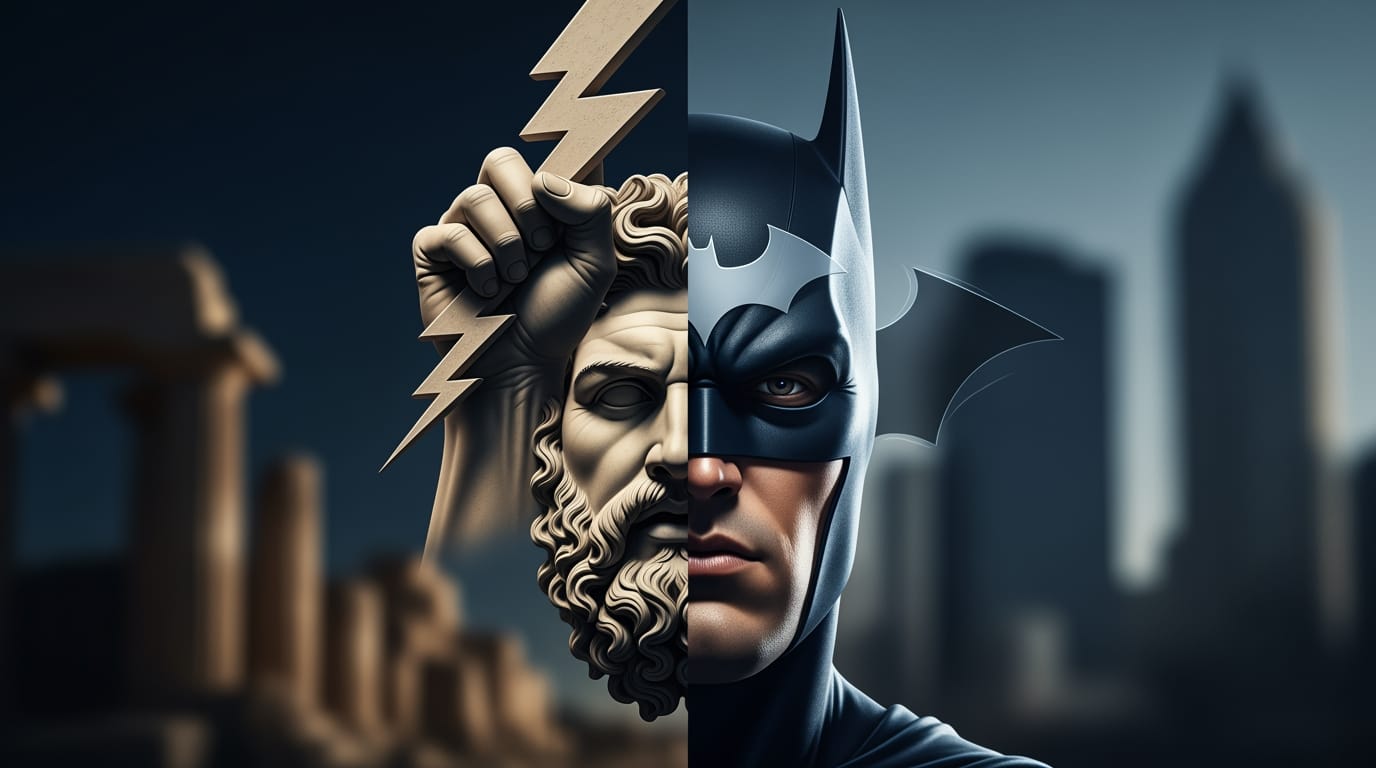
The concept of extraordinary individuals battling overwhelming odds for the common good is not a modern invention; it is a narrative thread woven through the fabric of human history, stretching from the mythical pantheons of antiquity to the bustling, crime-ridden streets of Gotham. These figures, whether divine or mortal, have consistently served as reflections of societal aspirations, fears, and moral compasses, evolving significantly across cultures and eras to become the global phenomena recognized today as superheroes. Their journey, from ancient gods wielding thunderbolts to masked vigilantes protecting sprawling metropolises, encapsulates humanity's enduring need for champions and symbols of hope.
The Mythic Dawn: Heroes of Antiquity
Long before capes and cowl adorned comic book pages, ancient civilizations crafted their own versions of heroes, endowed with powers far beyond those of ordinary mortals. In ancient Greece, figures like Zeus, the king of the gods who hurled lightning, and Hercules, renowned for his superhuman strength and epic labors, embodied heroic ideals. These mythical heroes, often descended from gods or possessing divine favor, were central to the founding narratives of various city-states and served as models of bravery, strength, and virtue. The Greek term heros referred to venerated dead mortals who were believed to possess superhuman powers, especially after death, and were sometimes worshipped alongside gods. Other notable figures such as Perseus, famed for beheading Medusa, and Achilles, the nearly invulnerable warrior of the Trojan War, further populated this early "age of heroes," showcasing a spectrum of strengths and flaws that resonated deeply with their societies. These ancient narratives established foundational archetypes—the powerful protector, the cunning strategist, the divinely chosen—that would subtly influence heroic tales for millennia.
The Age of Pulps: Masked Avengers Emerge
The direct lineage of the modern superhero can be traced through the dime novels and pulp magazines of the late 19th and early 20th centuries. These inexpensive fiction magazines, printed on cheap wood pulp paper, provided thrilling stories of adventure and mystery. Characters like The Shadow, Doc Savage, and Zorro captivated audiences with their daring exploits and often dual identities, paving the way for costumed crimefighters. The Shadow, known for his ability to cloud men's minds and operate from the shadows, was a precursor to characters like Batman, inspiring the concept of a dark avenger who instilled fear in criminals. Doc Savage, "the Man of Bronze," was an extraordinary polymath, adventurer, and scientist, whose peak human capabilities and scientific prowess foreshadowed the intellectual and physical superiority of later comic book heroes like Superman. Zorro, the masked swordsman fighting injustice in colonial California, popularized the idea of a secret identity and a symbol-laden costume. These pulp heroes, while lacking the overt "superpowers" of their successors, established many of the narrative conventions that would define the superhero genre: secret identities, iconic looks, and a relentless pursuit of justice outside the law.
The Golden Age of Comics: Birth of a Genre
The true "superhero archetype" coalesced in 1938 with the debut of Superman in Action Comics #1, marking the beginning of the Golden Age of Comic Books (1938-1956). Superman's immense popularity ignited a publishing boom, leading rival companies to create their own super-powered champions. In 1939, Batman, initially inspired by pulp figures like Zorro and The Shadow, made his first appearance. Unlike Superman, Batman possessed no inherent superpowers, relying instead on his intellect, detective skills, gadgets, and martial arts training to fight crime. The early 1940s saw an explosion of new characters, including Wonder Woman in 1941, who championed female empowerment and equality, and Captain America, a patriotic super-soldier created during World War II. These heroes often embodied clear moral guidance and patriotic ideals, serving as symbols of hope and escapism during the Great Depression and World War II. Their stories, frequently featuring unambiguous battles between good and evil, became a cheap and portable source of entertainment, with characters like Captain America actively fighting Axis powers on comic book covers. However, following the war, public interest in superheroes waned, leading to a decline in their publication and the rise of other genres like horror and crime comics.
The Silver Age and Beyond: Relatability and Revival
The mid-1950s saw a resurgence of the superhero genre, ushering in the Silver Age of Comic Books (roughly 1956-1970). This revival is largely credited to DC Comics' introduction of a new version of The Flash in Showcase #4 in 1956, which reimagined Golden Age heroes with new sci-fi twists. This success prompted Marvel Comics to enter the fray, beginning with the Fantastic Four in 1961. Marvel's approach, spearheaded by creators like Stan Lee, Jack Kirby, and Steve Ditko, introduced more complex, flawed characters with relatable struggles, moving beyond the one-dimensional heroes of the past. Iconic characters such as Spider-Man, the X-Men, The Hulk, and Iron Man debuted during this period, bringing psychological depth and social commentary to the forefront. The Silver Age expanded the thematic scope of superhero narratives, bridging entertainment with deeper societal reflections. This era also saw the continued publication of Golden Age staples like Superman and Batman, whose stories adapted to the changing times, ensuring their enduring popularity.
The Modern Age: Darkness, Diversity, and Dominance
The period from the mid-1980s to the present is often referred to as the Modern Age (or sometimes the Dark Age) of Comic Books. This era saw a significant shift toward darker, more complex, and psychologically profound storytelling. Influential works like Frank Miller's Batman: The Dark Knight Returns and Alan Moore's Watchmen challenged traditional notions of heroism, introducing morally ambiguous protagonists and grappling with serious, real-world issues. Anti-heroes like Wolverine and The Punisher gained prominence, reflecting a societal appetite for more nuanced ethical dilemmas.
Beyond thematic shifts, the Modern Age has also championed greater diversity and representation within the superhero pantheon. Characters like Black Panther, the first Black superhero in American mainstream comics (introduced in 1966, gaining significant prominence later), and later figures like Miles Morales (Spider-Man) and Kamala Khan (Ms. Marvel), have shattered barriers and provided role models for historically underrepresented communities. This push for inclusivity mirrors broader societal movements and ensures that superhero narratives remain relevant and inspiring to a wider global audience.
Today, superheroes have transcended the comic book page to become cultural titans, dominating film, television, video games, and merchandise. The success of cinematic universes has cemented their status as modern mythology, with their stories reflecting and influencing social values, commenting on justice, identity, and resilience. The evolution of characters like Batman, from a grim Golden Age detective to a psychologically complex and often tormented figure in modern interpretations, epitomizes the genre's capacity for reinvention and its enduring power to resonate with contemporary audiences.
A Timeless Archetype
From the thunderous pronouncements of Zeus to the brooding intensity of Batman, the superhero archetype has undergone a remarkable transformation across millennia. What began as divine beings embodying human ideals evolved into masked champions, and eventually into complex, often flawed characters who reflect the intricate moral landscape of our own world. Superheroes continue to serve as powerful cultural artifacts, providing not only escapism but also a profound commentary on justice, equality, and the enduring human struggle against adversity. As society continues to evolve, so too will its heroes, ensuring that this timeless narrative tradition remains a source of inspiration and reflection for generations to come.