German Agrochemical Industry Navigates Paradox: Prioritizing Insect Health Over Traditional Profit Margins
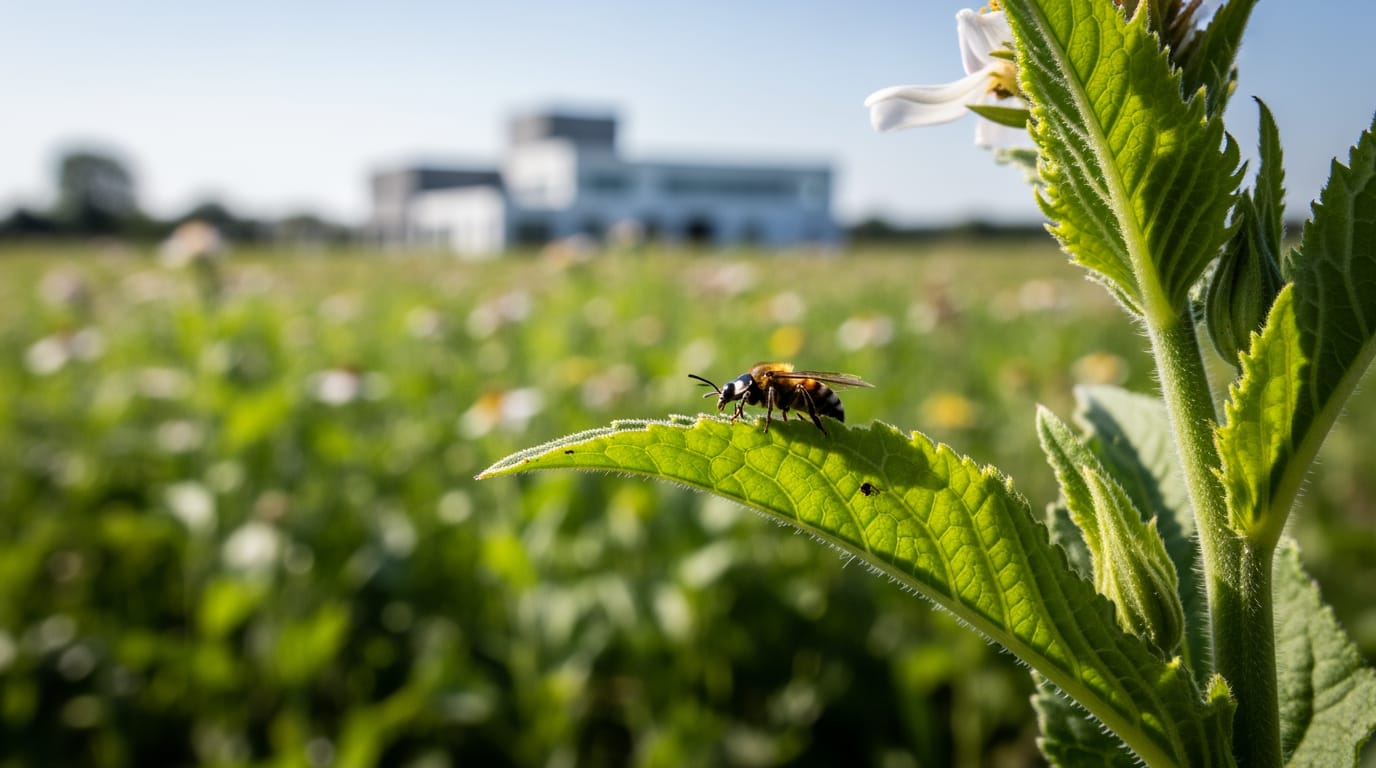
Munich, Germany – A quiet revolution is underway within Germany's powerful agrochemical sector, traditionally focused on maximizing crop yields through potent pest control. Faced with mounting evidence of a catastrophic decline in insect populations and increasing regulatory pressure, the industry finds itself at a pivotal juncture, exploring innovations that prioritize ecological balance, even if it means recalibrating conventional profit models. This strategic pivot reflects a growing recognition that the long-term health of agricultural ecosystems, and indeed humanity, hinges on a harmonious coexistence with insects.
The urgency of this shift is underscored by alarming scientific findings. Germany has become an unwitting epicenter for research detailing dramatic insect losses, with studies revealing a staggering 76% drop in flying insect biomass over 27 years in protected areas in western Germany. This decline extends beyond just charismatic pollinators like bees and butterflies, impacting a vast array of species crucial for soil health, pest control, and decomposition, threatening to unravel the intricate web of ecosystems that underpin food production. Public awareness of these drastic declines is high, placing significant pressure on policymakers and, by extension, the agricultural industry, to act swiftly and comprehensively.
The Retreat from Conventional Warfare: Repellents Over Killers
In response to this ecological crisis and evolving public sentiment, a new philosophy of pest management is gaining traction, moving away from broad-spectrum insecticides towards more targeted, insect-friendly solutions. At the forefront of this innovation is research such as that conducted by Professor Thomas Brück and his team at the Technical University of Munich (TUM). They have developed a biodegradable insect deterrent that, instead of killing pests, repels them, much like a mosquito spray. This novel substance primarily utilizes cembratrienol, a natural pest repellent inspired by molecules found in the tobacco plant, which protects itself from pests without eradication. This approach represents a fundamental rethinking of crop protection, aiming to "aggravate the pests" rather than poison them, thereby safeguarding beneficial insects and wider biodiversity.
The implications of such advancements are profound. For decades, the agrochemical industry's business model has been predicated on the sale of active ingredients designed to eliminate perceived threats. Shifting to repellents and other ecologically benign methods may mean lower product efficacy in the traditional sense (i.e., not killing as many pests), potentially leading to different pricing structures, smaller market volumes for specific products, and a greater emphasis on integrated pest management (IPM) strategies. This transition inherently demands a re-evaluation of what constitutes "profit" in the long run, extending it beyond immediate sales figures to encompass ecological sustainability and social license to operate.
Navigating the Industrial Shift: Costs, Challenges, and Opportunity
The journey towards an insect-friendly future is not without its hurdles for established pesticide manufacturers. Developing and bringing new, environmentally sound pest control technologies to market is a time-consuming and expensive endeavor, laden with significant research and development costs and rigorous regulatory approval processes. The approval for new products can take several years, requiring extensive testing to prove both efficacy and safety for humans, animals, and the environment. This regulatory stringency, while necessary, can slow the adoption of innovative solutions and increase the financial burden on companies.
Furthermore, farmers, accustomed to the immediate and visible results of conventional pesticides, may initially be hesitant to adopt new methods that emphasize ecological balance over rapid eradication. Educating users on the proper application and benefits of these advanced, often more nuanced, technologies presents another significant challenge. Despite these obstacles, the industry is increasingly aware that the "business as usual" approach is unsustainable. The European Union's ambitious Farm-to-Fork strategy and national initiatives like Germany's Action Programme for Insect Protection are pushing for a substantial reduction in chemical pesticide use, making a pivot towards sustainable alternatives not just an ethical choice, but an economic imperative.
The Broader Landscape of Change: Policy and Agroecology
Germany's commitment to insect protection is reflected in national policy. The Action Programme for Insect Protection, proposed by the Social Democrat (SPD) Minister for the Environment, Svenja Schulze, aims to improve the living conditions for insects and enhance biological diversity across the country. This program, which could mobilize substantial annual funding for insect conservation, signals a clear governmental direction towards de-intensified farming methods and the promotion of agroecological principles.
Integrated Pest Management (IPM), which legally mandates the use of chemical intervention only as a last resort, is central to this shift. It promotes an ecosystem-based approach, leveraging natural predators, crop rotation, adapted fertilization, and resistant plant varieties to manage pests. Organic farming, which inherently relies on these preventative measures and largely eschews synthetic pesticides, is seen as a key driver for pesticide reduction, offering significant ecological and economic benefits, including substantial savings in social follow-up costs. The transition involves comprehensive support for farmers and independent advisory services, critical for effective implementation.
Conclusion: A Sustainable Future for Pest Management
The German agrochemical industry stands at a crossroads, where ecological responsibility is increasingly intertwined with economic viability. The development of insect-friendly technologies, such as biodegradable repellents, signals a move towards a more sustainable model of agriculture. While the path involves significant investment, adaptation, and a potential recalibration of traditional profit expectations, it is a necessary evolution. By prioritizing the health of insect populations and fostering biodiversity, Germany's pesticide makers are not just contributing to environmental protection; they are investing in the long-term resilience of agricultural systems and securing the future of food production. This strategic sacrifice of immediate, conventional profits for broader ecological gains represents a profound shift, redefining success in an era of environmental urgency.