German Authorities Thwart Suspected Christmas Market Attack, Five Arrested
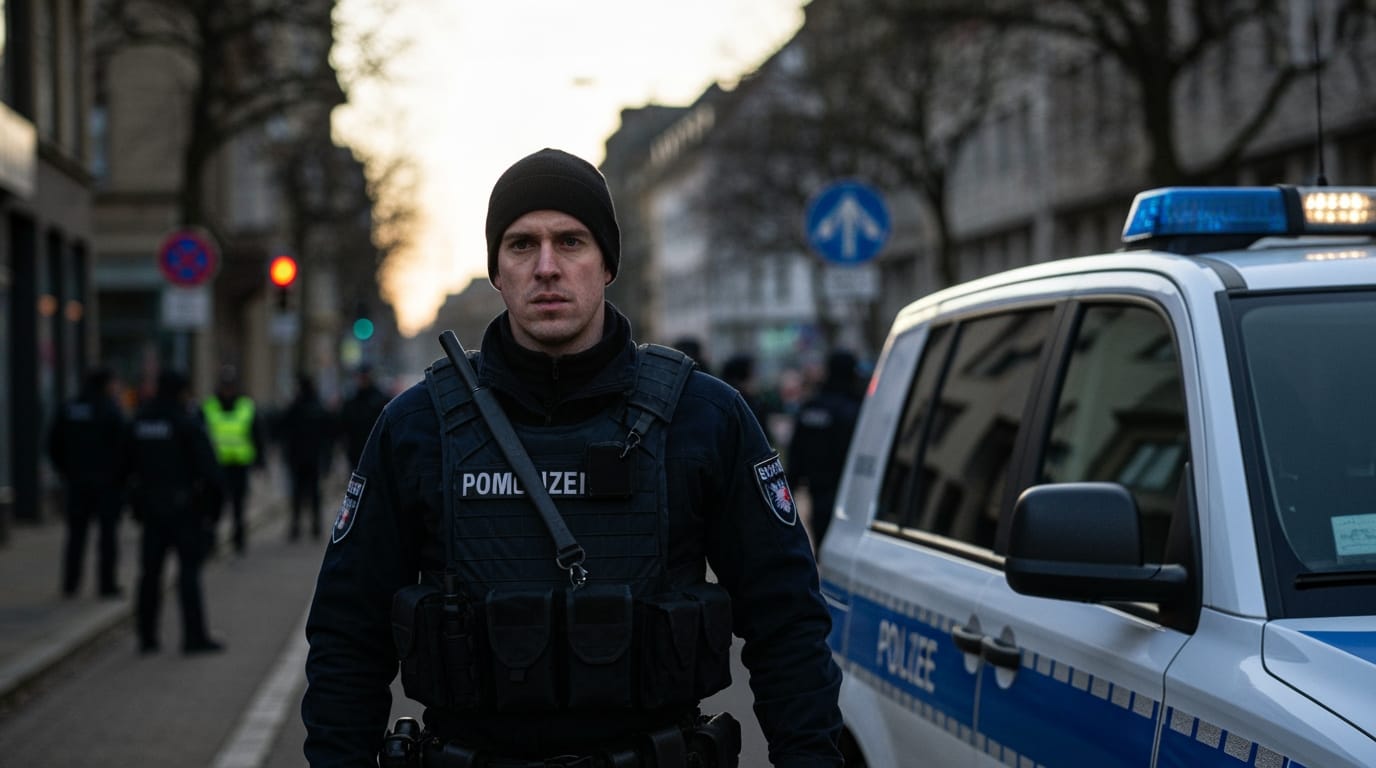
Berlin, Germany – German security forces have intercepted a significant threat to public safety, arresting five individuals suspected of planning a terrorist attack on a Christmas market near Dingolfing in Bavaria. The arrests, occurring just weeks before Christmas, underscore the persistent and evolving nature of security challenges facing the nation's cherished holiday traditions. The operation was initiated following a crucial tip-off from a foreign intelligence service, highlighting the critical role of international cooperation in counter-terrorism efforts.
The arrests were announced on December 13, 2025, sending a fresh wave of concern through a country already on high alert for potential extremist violence during the festive season. Three of the apprehended suspects are Moroccan nationals, one is Egyptian, and the nationality of the fifth individual has not been immediately disclosed. Authorities allege the group intended to use a vehicle to carry out the attack, a method that has tragically been employed in previous incidents across Europe. The swift action by German police is believed to have prevented a potentially devastating act of violence, preserving the safety of countless market-goers.
Intelligence Leads to Crucial Interception in Bavaria
The operation that led to the arrests unfolded near Dingolfing, a town in Bavaria, based on actionable intelligence received from an international partner agency. While specific details of the plot remain under investigation, the alleged plan to utilize a vehicle for an attack on a Christmas market aligns with tactics previously advocated by extremist groups. The suspects, whose identities have not yet been released, are currently in custody as authorities delve deeper into their motives, connections, and the full scope of their alleged preparations. This timely intervention highlights the intricate web of surveillance and intelligence sharing that underpins Germany's defense against terrorism, particularly during periods of heightened vulnerability like the holiday season. The collaborative effort across international borders proved instrumental in neutralizing the threat before it could materialize.
A Shadow of Past Tragedies and Ongoing Threats
The foiled plot near Dingolfing serves as a stark reminder of the enduring threat to public gatherings in Germany. Christmas markets, vibrant centers of German culture and commerce, have repeatedly been targets or near-targets of extremist violence. A significant turning point occurred in December 2016, when a hijacked truck was deliberately driven into the Breitscheidplatz Christmas market in Berlin, resulting in the deaths of 12 people and numerous injuries. This horrific event reshaped security protocols across the country and Europe.
More recently, December 2024 saw a tragic incident in Magdeburg, where an SUV plowed into a Christmas market crowd, killing 6 people and injuring 338. While German federal prosecutors later classified this as a rampage rather than a terror attack, its devastating impact underscored the vulnerability of open public spaces. Earlier in December 2024, German police arrested three young men in Mannheim and near Frankfurt, suspected of planning an Islamist attack on Christmas markets in those cities, allegedly having already acquired an assault rifle, ammunition, and knives. Also in December 2024, a 37-year-old Iraqi asylum seeker was arrested in Augsburg for allegedly planning an attack on its Christmas market, having taken reconnaissance photos and posted ISIS-glorifying content online. These incidents, whether classified as terrorism or not, contribute to a pervasive sense of caution surrounding holiday events.
Escalated Security Measures and Rising Costs
In response to these persistent threats, German authorities have significantly escalated security measures at Christmas markets nationwide. This year, markets across Germany and Europe are operating under some of the tightest security seen in peacetime. Cities have reinforced entry points with concrete barriers, enhanced video surveillance, and increased the presence of both uniformed and plainclothes police, along with private security personnel. For instance, Berlin has expanded bollards around its major markets, while Dresden has invested millions of euros in access protection. Munich has reportedly increased its spending on preventative measures by 160 percent, incorporating manned vehicle barriers and anti-drone technologies.
The financial burden of these heightened security requirements is substantial. Organizers of public events, including Christmas markets, have seen security spending increase by an average of 44% over the last three years, according to the German Association for City and Town Marketing. This has led to concerns among smaller municipalities and private organizers about the sustainability of holding these traditional events, with some markets even being canceled due to the prohibitive costs and stringent requirements. Despite these challenges, officials emphasize the necessity of these measures to ensure public safety, with many visitors expressing appreciation for the visible presence of security.
Sustaining Tradition Amidst Vigilance
The successful thwarting of the suspected attack near Dingolfing serves as a testament to the ongoing vigilance of German and international security agencies. It underscores the continuous effort required to safeguard public life and cultural traditions in an environment marked by persistent extremist threats. While the festive spirit of Germany's Christmas markets remains resilient, it is now inextricably linked with an awareness of security challenges and the visible presence of protective measures.
The arrests highlight that the threat landscape remains complex, with perpetrators often radicalized through online channels and adopting familiar methods such as vehicle attacks. As Germany navigates the balance between maintaining open, joyous public spaces and ensuring the safety of its citizens, the commitment to robust intelligence gathering, inter-agency cooperation, and proactive security measures will remain paramount. The foiled plot near Dingolfing reinforces the resolve of authorities to protect the heart of German society and its cherished traditions against those who seek to disrupt them.


