German Chancellor Merz Embarks on Contentious Mission to Israel Amidst Diplomatic Storm
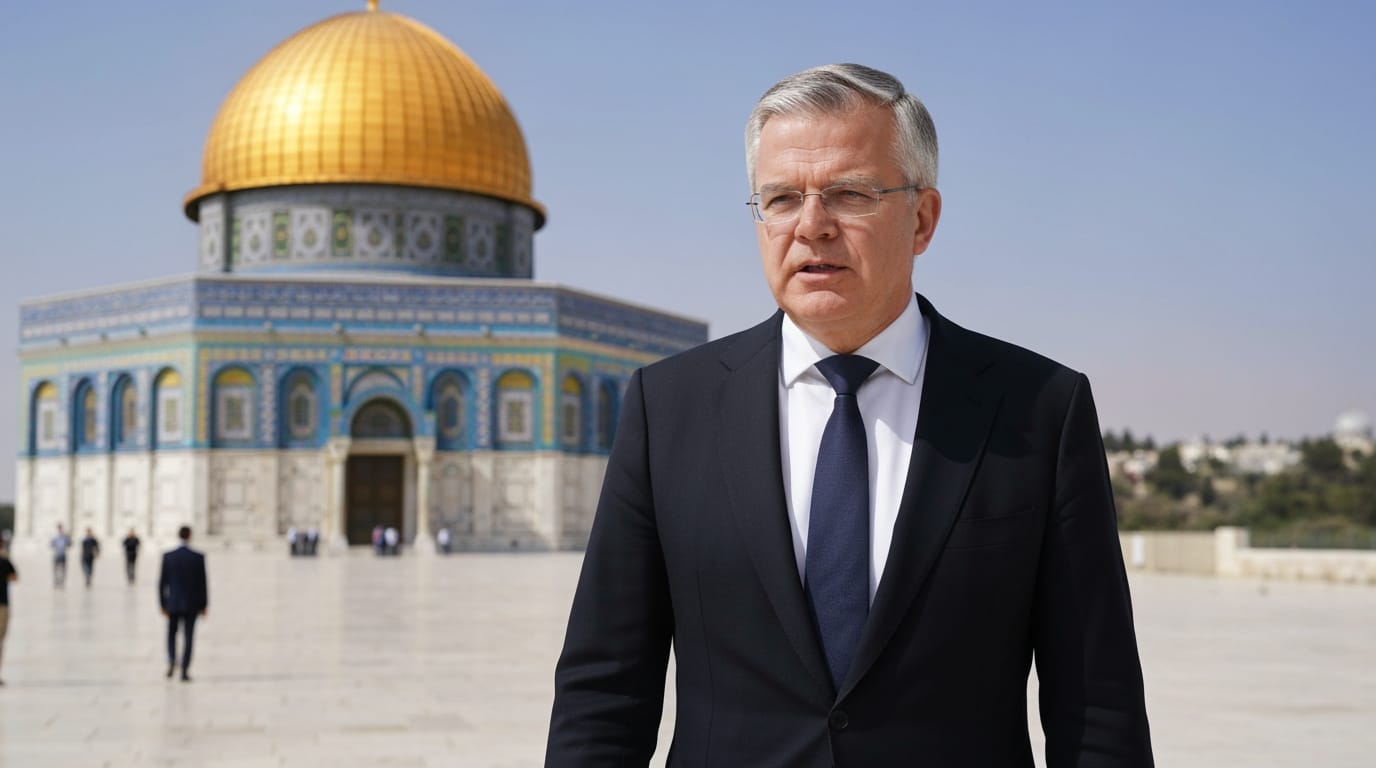
Berlin/Jerusalem — German Chancellor Friedrich Merz is slated to embark on his inaugural visit to Israel this weekend, a diplomatic journey fraught with unprecedented challenges and intense international scrutiny. The visit, confirmed by German government officials, comes at a pivotal moment, forcing Merz to navigate a complex landscape shaped by Germany's historical commitment to Israel, an ongoing humanitarian crisis in Gaza, and the controversial presence of an international arrest warrant against Israeli Prime Minister Benjamin Netanyahu. As the first elected leader of a major European country to visit Israel in over a year, Merz's trip is poised to be a delicate balancing act with significant implications for German foreign policy and wider international relations.
Navigating a Charged Political Landscape
Chancellor Merz, who assumed Germany's highest office on May 6, 2025, faces immediate and substantial pressure as he prepares for his meeting with Prime Minister Netanyahu on Sunday, December 7. The core of this diplomatic difficulty stems from the International Criminal Court (ICC), which issued an arrest warrant for Prime Minister Netanyahu in November 2024, citing alleged war crimes and crimes against humanity committed in the Gaza Strip. This warrant has thrust Germany into a predicament, as it is a signatory to the Rome Statute, which governs the ICC. The opposition Left Party (Die Linke) has vociferously condemned Merz's decision to proceed with the meeting, labeling the visit a "declaration of war on international law" and asserting that engaging with an "alleged war criminal is not a normal state visit." Amnesty International's German branch has echoed these sentiments, urging Merz to explicitly condemn alleged international law violations and support the ICC. Legal experts within Germany have noted that if Netanyahu were to visit Germany, it could trigger a constitutional and diplomatic crisis due to Germany's obligations under international law. Merz's decision to travel to Israel, rather than inviting Netanyahu to Berlin, is seen by critics as a maneuver to avoid confronting this legal and ethical dilemma directly.
The Weight of Historical Responsibility and Shifting Stances
Germany's foreign policy regarding Israel has long been shaped by its "Staatsräson" – a fundamental commitment to Israel's security rooted in the historical responsibility for the Holocaust. Chancellor Merz has consistently reaffirmed this unwavering support, a stance he reiterated even while criticizing aspects of Israel's military campaign in Gaza. However, the intensity of the conflict and the mounting humanitarian toll in Gaza have introduced new complexities to this foundational principle. Merz himself has, in a rare public rebuke, questioned the "high costs" of Israel's military actions, stating that the suffering of the civilian population "can no longer be justified as a fight against Hamas terrorism" and that international humanitarian law is being violated. This shift in tone from a historically staunch ally underscores the immense pressure Germany faces both domestically and internationally. Despite these criticisms, Merz has resisted calls from opposition lawmakers to implement an arms embargo, rejecting proposals to suspend the EU-Israel trade agreement and opposing the recognition of a Palestinian state.
Arms Sales and Humanitarian Concerns at the Forefront
Adding another layer of controversy to the visit is Germany's recent decision to resume arms exports to Israel. These sales had been suspended since August, a move that followed increasing international pressure over the scale of the conflict in Gaza and concerns about the use of German-supplied weaponry. The resumption of these exports, which began in late November after a brief freeze, has been met with strong opposition, particularly from the Left Party, which deems it a "political scandal." Critics argue that Germany should refrain from supplying arms as long as the Israeli government does not publicly support a political solution that includes an independent Palestinian state.
The Chancellor's agenda for the visit includes discussions on bilateral relations, efforts to stabilize the fragile ceasefire in Gaza, and other pressing international issues. The ceasefire, in place for just over a month, has reportedly seen hundreds of violations, leading to additional Palestinian casualties. Merz is also scheduled to visit the Yad Vashem Holocaust memorial, a customary and symbolically significant gesture for visiting German dignitaries, reinforcing the historical bonds between the two nations.
A Mission Under the Microscope
Chancellor Merz's journey to Israel is more than a routine diplomatic engagement; it is a high-stakes mission unfolding under an intense global spotlight. He must carefully balance Germany's historical obligations and strategic interests with growing international demands for accountability, adherence to international law, and humanitarian considerations. The discussions with Prime Minister Netanyahu will undoubtedly delve into the complexities of the Gaza ceasefire, the humanitarian situation, and the broader prospects for regional stability. Merz's ability to navigate these treacherous waters while maintaining Germany's diplomatic credibility will be closely watched, both at home and abroad. The visit will test the resilience of the German-Israeli relationship against the backdrop of escalating geopolitical tensions and profound ethical questions, marking a defining moment for Germany's new leadership on the world stage.