German Economy Minister Embarks on Critical China Visit Amidst Trade Tensions and Resource Scrutiny
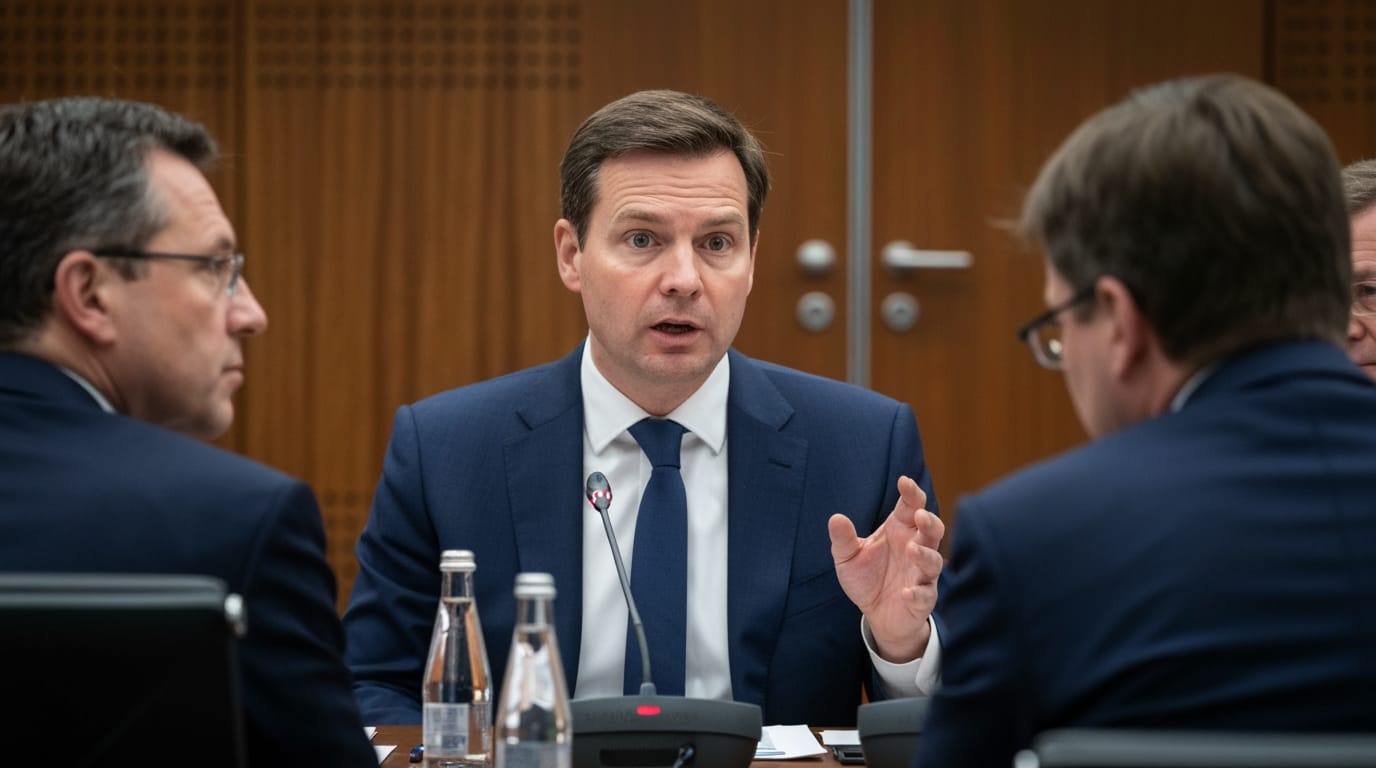
Beijing, China – Germany's Economy Minister, Katherina Reiche, arrived in China this week for a high-stakes visit aimed at navigating the increasingly complex relationship between Europe's largest economy and its biggest trading partner. Accompanied by a delegation of prominent German business leaders, Minister Reiche's agenda encompasses a delicate balance: securing vital resources and market access for German industries while simultaneously addressing concerns over trade imbalances, alleged unfair practices, and Germany's growing reliance on Chinese imports for critical goods. The visit, scheduled from May 26 to 29, 2026, unfolds against a backdrop of escalating trade tensions between the European Union and China, particularly concerning electric vehicle subsidies and a perceived flood of subsidized Chinese products into European markets.
The Intricate Dance of Economic Interdependence
Germany's economic ties with China are deep and multifaceted, positioning China not only as a crucial sales market but also as an indispensable supplier of strategically important raw materials and products. Despite Germany's own economic challenges, including a projected meager 0.2% growth in 2025 following two years of contraction, China remains a key anchor for stable growth, having been Germany's largest trading partner for eight consecutive years. The bilateral trade volume between the two nations reached 251.8 billion euros by 2025, with an impressive 19.6% year-on-year increase in the first two months of 2026, significantly outpacing Germany's overall foreign trade growth. Over 5,200 German companies have established operations in China, with 92% expressing intentions to deepen their engagement, and none planning a complete withdrawal.
However, this profound economic interdependence also highlights significant vulnerabilities for Germany. The nation faces growing supply risks, particularly for critical raw materials like rare earths, with China accounting for a substantial 65% of Germany's rare earth imports. Dependency extends to other vital sectors, with China's share of rechargeable lithium battery imports rising from 49.7% in 2023 to 66.5% by 2025, and Chinese deliveries of antibiotics also increasing during the same period. These figures underscore the precarious position Germany finds itself in, reliant on a single source for essential industrial inputs that are increasingly viewed as geopolitical instruments.
Navigating the Crosscurrents of Trade Disputes
A central theme of Minister Reiche's discussions is the intensifying trade friction between the EU and China. The European Commission's recent proposal to impose hefty provisional tariffs of up to 38.1% on Chinese-made electric vehicles has cast a long shadow over bilateral relations. While Minister Reiche is not directly involved in these tariff negotiations, her visit is widely seen as an opportunity to foster dialogue and prevent an all-out trade war. German car manufacturers, deeply invested in the Chinese market, have vociferously opposed these EU tariffs, fearing retaliatory measures from Beijing.
Beyond EVs, Germany is particularly concerned about China's industrial overcapacity, which Minister Reiche has warned is leading to a "flood" of heavily subsidized steel, chemical products, and solar panels into Europe. In interviews prior to her departure, Reiche emphasized the need to assert German economic interests assertively yet solution-orientedly, stating that while China is an indispensable partner, Germany has not "stated its interests clearly enough in the past." The aim is to push for fairer trade conditions and a rebalancing of the economic relationship.
The Imperative of De-risking and Diversification
Germany's current government has articulated a strategy of "de-risking" its economy, seeking to reduce excessive reliance on any single country, particularly China, for critical components and raw materials. This policy forms a crucial backdrop to Reiche's mission. Her discussions are expected to focus on exploring pathways for cooperation that mitigate supply chain risks and promote diversification of sources. The establishment of mechanisms like the Sino-German Climate Change and Green Transformation Cooperation mechanism, which held its first plenary session earlier, indicates areas where collaboration can advance while addressing shared global challenges such as climate change and energy transition. Key topics under this framework include energy efficiency, circular economy, industrial decarbonization, and energy transition, with projects aiming to foster provincial-level cooperation. Such initiatives reflect an attempt to create a more resilient and sustainable economic engagement.
Internal Divisions and European Solidarity
The approach to China is a subject of ongoing debate within the German government and across the European Union. While Berlin strives for a balanced approach, seeking consensus and continued engagement, other major EU economies like France, Spain, and Italy are advocating for a tougher stance against perceived unfair trade practices. This divergence highlights the challenge Germany faces in mediating EU-China relations while simultaneously defining its own national interests. Minister Reiche's delegation includes representatives from small and medium-sized enterprises (SMEs), underscoring Germany's commitment to supporting the backbone of its economy by securing access to the Chinese market and ensuring fair competition for these businesses. The discussions during this visit will therefore serve as a critical litmus test for Germany's ability to navigate these complex dynamics and articulate a unified, effective strategy.
A High-Stakes Balancing Act
Minister Reiche's visit represents a high-stakes balancing act for Germany. It is an endeavor to sustain a vital economic relationship while proactively addressing fundamental concerns about economic security, fair competition, and geopolitical leverage. The outcomes of these discussions will not only shape Germany's immediate economic future but also influence the broader trajectory of EU-China relations, potentially setting a precedent for how major global economies manage interdependence in an era of heightened geopolitical and trade tensions. The commitment from both sides to engage in dialogue, despite significant disagreements, underscores the mutual recognition of their indispensable roles in the global economy.


