German Economy Sees Upgraded Outlook for 2026 After Years of Stagnation
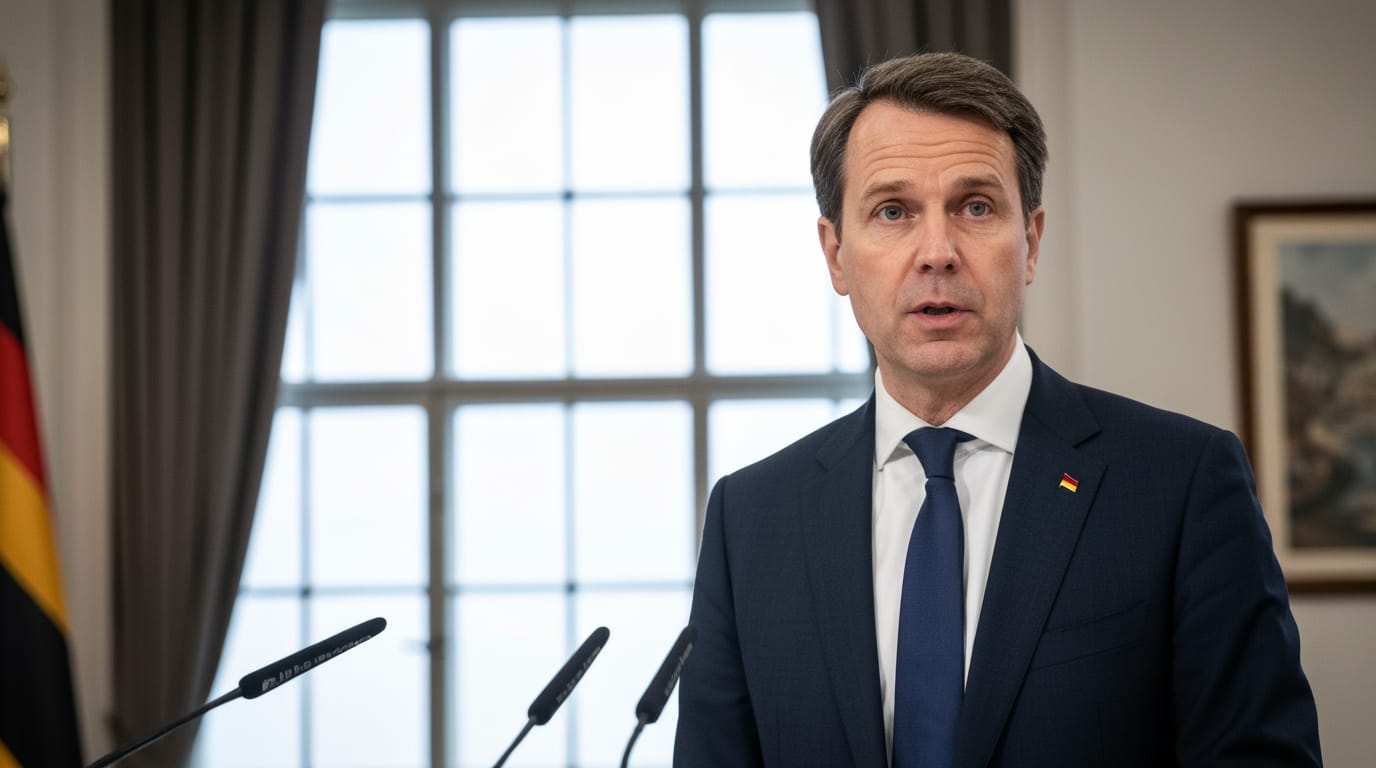
Berlin, Germany – After navigating a period marked by economic contraction, Germany, Europe’s largest economy, is poised for a more robust recovery in the coming years, according to recent projections from the International Monetary Fund (IMF). The IMF has notably raised its economic growth forecast for Germany in 2026 to 1.1 percent, signaling a brighter horizon than previously anticipated and potentially positioning the nation to outpace other G7 countries in growth. This upgraded outlook follows a challenging economic landscape for Germany, which saw declines in gross domestic product for two consecutive years before eking out modest growth in 2025.
Navigating Recent Economic Headwinds
The German economy endured significant turbulence in the preceding years, contracting by 0.3 percent in 2023 and an estimated 0.2 percent in 2024, marking a rare two-year recession. This downturn was largely attributed to a confluence of factors including a severe energy shock exacerbated by geopolitical events, a slump in the manufacturing sector, and weakening demand in critical export markets, particularly China. High energy costs, in particular, presented a formidable challenge, impacting industrial production and overall competitiveness.
Despite these persistent headwinds, 2025 brought a slight reprieve, with official data indicating a modest 0.2 percent expansion, effectively breaking the two-year recessionary streak. This return to growth, albeit subdued, was primarily driven by increased spending from both private households and the government, offering a glimmer of hope that the worst of the economic stagnation might be receding. Investment, however, remained weak in 2025, particularly in the construction and machinery manufacturing industries, while exports continued to face strong headwinds from factors like higher tariffs, the appreciation of the euro, and intensified global competition.
IMF's Brighter Horizon for 2026
The International Monetary Fund's latest assessment paints an increasingly optimistic picture for Germany's economic performance in 2026. The IMF now projects Germany's economy to grow by 1.1 percent in 2026, an upward revision from earlier forecasts. This updated outlook suggests that Germany could experience stronger growth than other G7 countries in 2026, moving away from its recent position as a relative underperformer among major Western industrial nations. The IMF's confidence in Germany's medium-term recovery is bolstered by several key developments, including significant public spending and the anticipated easing of inflationary pressures across the Eurozone.
The revised forecast aligns with a broader, though still cautious, optimism emerging for the Eurozone, which is projected to see growth driven by internal demand, resilient labor markets, and targeted government expenditures. While the global economic outlook remains complex, Germany's updated trajectory suggests a potential inflection point after a period of considerable strain.
Catalysts for Optimism
Several crucial factors underpin the IMF's more favorable prognosis for Germany. A significant driver is the increased government spending on infrastructure and defense, a strategic shift that has gained momentum following a landmark reform of the nation's strict debt-brake rules. This relaxation of fiscal constraints has paved the way for substantial public outlays aimed at stimulating economic activity and modernizing key sectors. Chancellor Friedrich Merz's administration has initiated ambitious spending plans, including a substantial special fund for infrastructure and defense, with the aim of revitalizing the economy.
Furthermore, the easing of inflation across the Eurozone is expected to play a pivotal role. As inflationary pressures moderate, central banks may find room for interest rate adjustments, which could further stimulate investment and consumption. Coupled with an anticipated rise in real wages, this environment is expected to boost private consumption, contributing more significantly to economic growth than in previous years. The resilience of Germany's labor market, with unemployment rates remaining historically low, also provides a stable foundation for economic recovery.
Persistent Structural Challenges
Despite the improved short-term outlook, the German economy continues to grapple with persistent structural challenges that could temper its long-term growth potential. High energy costs remain a significant concern, not only in historical terms but also relative to other major economies, potentially hindering the growth of energy-intensive industries. Businesses also frequently cite excessive administrative burdens and bureaucratic hurdles as impediments to investment and innovation.
The nation faces an ongoing shortage of skilled workers, a challenge exacerbated by an aging population. This demographic shift threatens to impact workforce availability and productivity, driving up labor costs and posing a long-term constraint on sustainable economic expansion. Geopolitical tensions, trade conflicts, and a trend toward global protectionism also present external risks that could undermine Germany's export-oriented economy. The IMF has emphasized that without bolder reforms, both domestically and at the European Union level, Germany could face a persistently challenging medium-term growth outlook. These reforms include fostering innovation and digitalization, reducing red tape, and addressing labor supply constraints.
Germany's Enduring Economic Foundation
Underpinning Germany's capacity for recovery are its deeply ingrained economic strengths. As the world's third-largest economy and a leading global exporter, Germany benefits from a robust industrial base renowned for high-quality engineering and innovation. Key sectors such as automotive manufacturing, mechanical engineering, chemicals, and electronics hold leading positions in global markets, driven by a commitment to technological advancement and stringent quality control.
The nation's vibrant small and medium-sized enterprise (SME) sector, comprising nearly 99.6 percent of all companies, acts as a crucial engine of stability and resilience. These "hidden champions" are highly specialized, flexible, and often family-run, providing significant employment and enabling the economy to weather global fluctuations. This strong foundation, coupled with a renewed commitment to strategic investments, positions Germany to leverage global opportunities once the current challenges are more fully navigated.
Conclusion
The IMF's updated growth forecast for Germany in 2026 signals a cautious but discernible shift towards economic recovery, offering a measure of optimism after a difficult period. The nation's ability to pull out of a multi-year recession and project stronger growth for the mid-term is largely credited to strategic public spending initiatives and the anticipated easing of broader economic pressures. However, this positive trajectory is not without its caveats. Deep-seated structural issues, including energy costs, bureaucratic inefficiencies, and demographic challenges, continue to demand proactive policy responses and sustained reform efforts. While the immediate outlook appears brighter, Germany's long-term prosperity will depend on its capacity to adapt, innovate, and implement targeted reforms that address both immediate challenges and future-oriented opportunities in an increasingly complex global economic landscape.


