German Finance Minister Seeks Tariff Negotiations with US Amid Trade Tensions
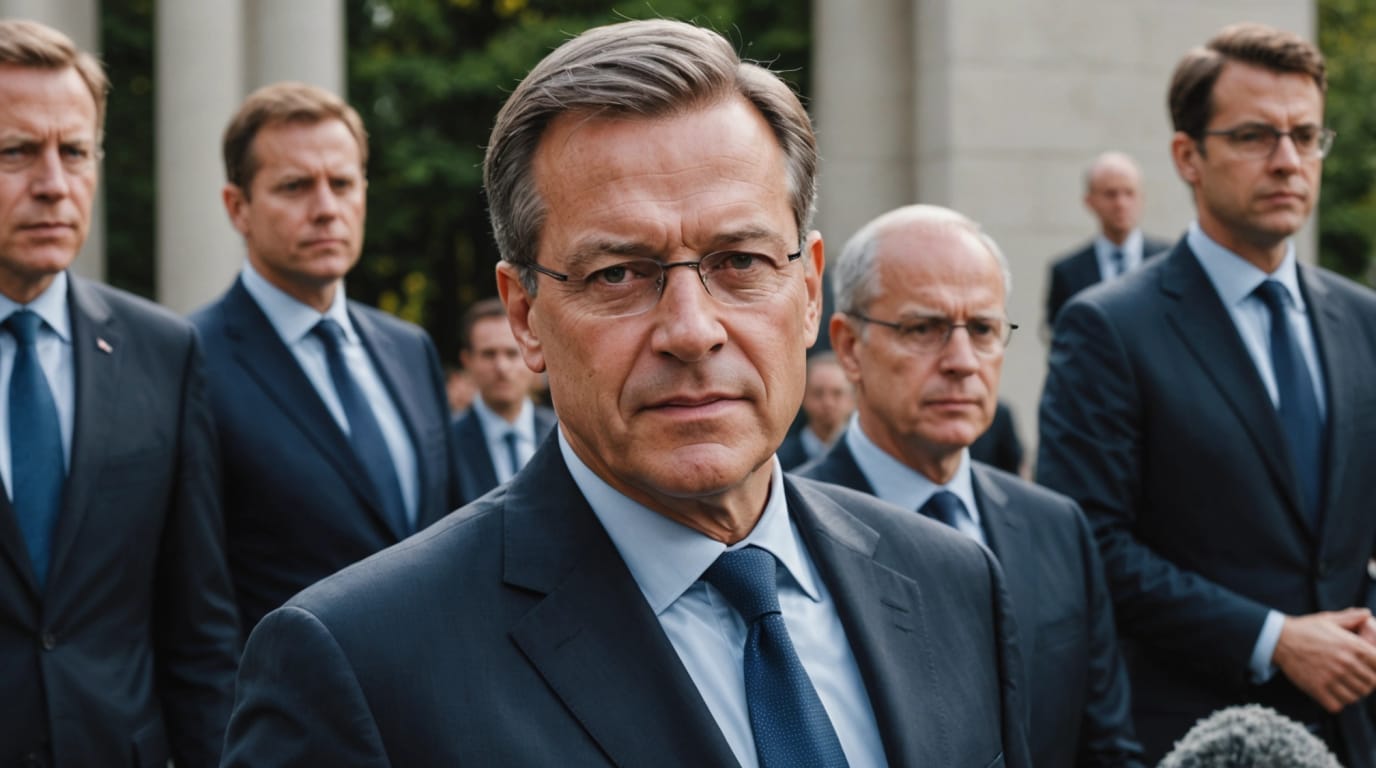
BERLIN – As newly imposed U.S. tariffs threaten to ignite a transatlantic trade war, Germany is pushing for urgent negotiations with the United States to de-escalate tensions and protect its vital automotive industry. The call for talks comes in response to President Donald Trump's recent decision to impose a 25% tariff on imported vehicles, a move that has been met with harsh criticism from German officials and industry leaders alike.
The tariffs, which took effect April 2, have raised concerns about the potential damage to both European and U.S. economies. Germany, a major exporter of automobiles, stands to be particularly affected by the new levies. The German automotive industry is calling for immediate negotiations between the U.S. and the EU on a bilateral agreement.
German Economy Minister Robert Habeck has been particularly vocal in his criticism of the tariffs, warning that they will make U.S. cars more expensive and disrupt global supply chains. He emphasized that the EU must give a firm response to the tariffs and make it clear that it will not back down in the face of the U.S.
Impact on Automakers
The automotive industry is at the forefront of concerns. Shares in Volkswagen, which has a large supply base in Mexico and lacks U.S. production for its Audi and Porsche brands, dropped significantly following the tariff announcement. Other automakers, including Mercedes-Benz, BMW, and Daimler Truck, also experienced stock declines.
The German Association of the Automotive Industry (VDA) has condemned the tariffs as a "fatal signal" for free trade, warning of harm to companies and global supply chains. VDA President Hildegard Müller stressed the need for immediate negotiations between the U.S. and the EU to reach a bilateral agreement.
EU Response
The European Union has vowed to respond firmly to the U.S. tariffs while also expressing openness to compromise. Chancellor Olaf Scholz stated that the EU would react clearly and decisively to the United States' tariff policy but remains prepared to work toward compromise and cooperation.
The European Commission is preparing potential responses to the car import levy and previously announced U.S. "reciprocal tariffs." A spokesperson for the commission assured that the response would be timely, robust, well-calibrated, and achieve the intended impact.
Germany's Position
Germany is seeking to mend transatlantic trade relations and is considering a more conciliatory approach. Germany will raise the issue at a meeting of the EU's trade ministers, where Berlin will support rekindling the bloc's relationship with the U.S. rather than escalating the trade conflict.
German Foreign Minister Heiko Maas has stated that his government would make "concrete proposals" to Washington on how to improve the relationship and that a "new deal" is needed.
Broader Implications
The trade dispute between the U.S. and the EU has broader implications for the global economy. A trade war between the two economic powerhouses could disrupt supply chains, raise prices for consumers, and slow economic growth.
The U.S. tariffs on steel and aluminum, which came into effect in mid-March, have already strained relations with the EU. The EU is set to implement countermeasures in April in response to these tariffs.
Conclusion
As the clock ticks down, the pressure is mounting on both sides to find a resolution. The German government's push for negotiations represents a critical effort to avert a full-blown trade war and safeguard the interests of its automotive industry and the broader economy. Whether the U.S. will heed this call for dialogue remains to be seen, but the stakes are undeniably high for both sides of the Atlantic.


