German Firms Urge Stability, Prompt Action Following Leadership Change
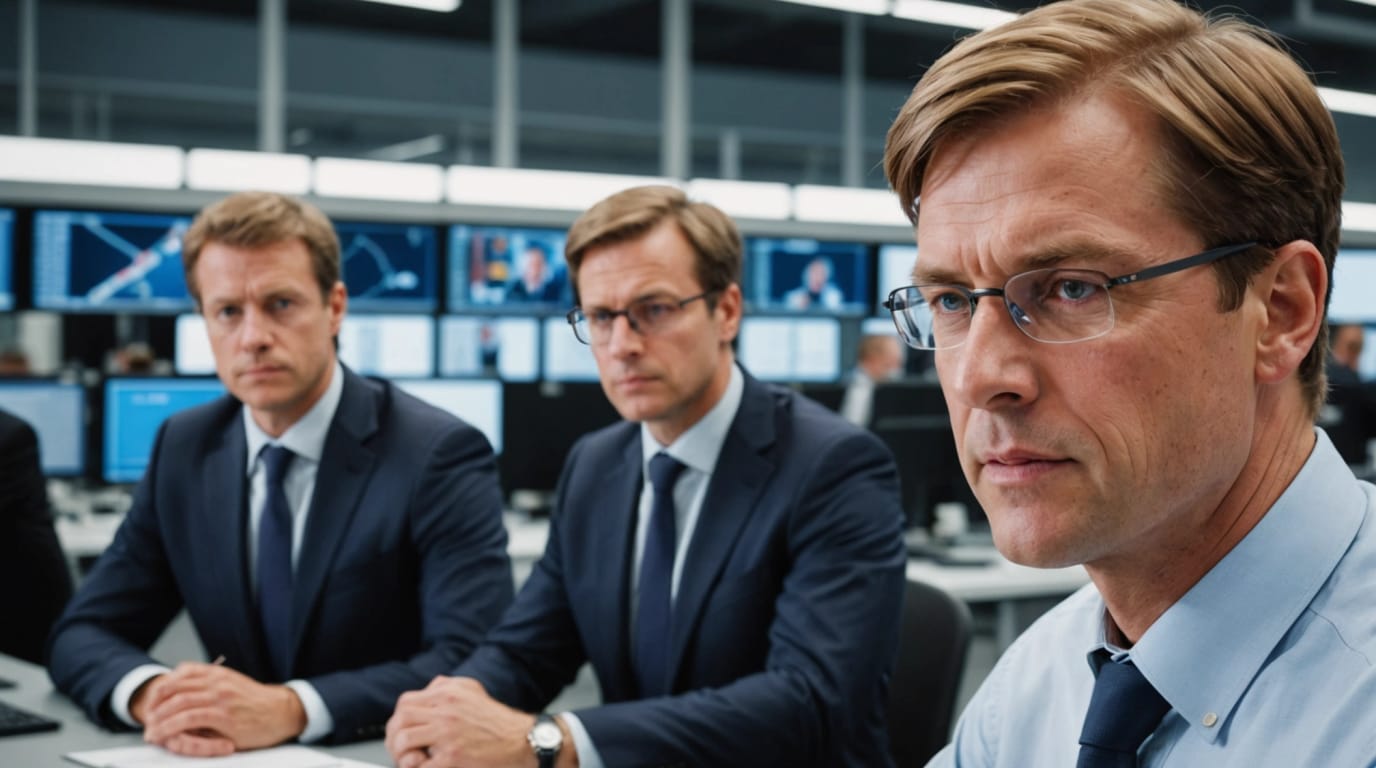
BERLIN – In the wake of Friedrich Merz's ascent to leadership, German businesses are calling for a stable government capable of addressing pressing economic challenges. The appeal comes amid concerns about Germany's economic trajectory and a desire for policies that foster growth and innovation. However, doubts linger about Merz's ability to deliver on these expectations, given his limited experience in significant political roles.
Calls for Decisive Governance
German companies are seeking a reliable political environment to navigate current economic headwinds. Business leaders emphasize the need for swift and effective action to stimulate growth, encourage investment, and enhance Germany's competitiveness in the global market. The construction and logistics sectors have seen the biggest surge in hiring demand, with job advertisements increasing by 17%. Healthcare was another standout sector, with job postings rising by over 20%, reflecting continued demand for medical professionals. Interestingly, the technology sector saw a small decline, with IT job postings down by 3%, suggesting that the previously overheated market may be stabilizing. Nonetheless, overall hiring trends indicate that businesses are preparing for stronger economic activity in the months ahead.
Lingering Doubts About New Leadership
Despite the optimism surrounding the change in leadership, some observers express skepticism about Merz's capacity to meet the demands of the German business community. Critics point to his lack of experience in high-level political decision-making, raising questions about his ability to forge consensus and implement effective policies. Others suggest that German businesses are primarily seeking financial assistance, such as subsidies, a strategy favored during economic downturns.
Underlying Economic Concerns
Beyond leadership concerns, deeper issues plague the German economy. Some analysts argue that German businesses exhibit anti-social tendencies and maintain stagnant wages despite rising corporate profits since the COVID-19 pandemic. Germany also faces challenges related to workforce productivity, including the highest rate of sick leave in Europe, which strains the economy. These factors contribute to a sense of unease among workers who feel underpaid and overworked.
Innovation Lag and Debt Brake
Further complicating the economic landscape is Germany's perceived lag in innovation and future-proofing. Critics argue that past policies, such as enshrining the debt brake into constitutional law under Angela Merkel's government, have stifled growth and hindered investment in crucial areas. This has left German businesses struggling to catch up with global competitors in terms of technological advancement and adaptability.
Transatlantic Opportunities
Despite domestic challenges, the change in leadership in Germany could present opportunities for strengthened economic ties with the United States. A significant percentage of German companies plan to increase their investments in US operations, particularly in states like North Carolina, Pennsylvania, California, Illinois, and Texas. Merz's pro-business stance and private sector background could facilitate mutually beneficial agreements between the two countries. The CDU's focus on the economy should also be good news for Washington's economic priorities at home.
EU Support for Clean Energy Transition
The European Union is also playing a role in supporting Germany's economic growth, particularly in the area of clean energy. The European Commission, the European Investment Bank, and member states are collaborating to de-risk investments and promote business expansion. Swift implementation of EU electricity legislation is crucial to increasing the share of renewables and reducing electricity costs. Recently adopted rules on permitting, contracts, flexibility, consumer empowerment, and market surveillance can potentially lower costs if implemented effectively.
Conclusion: A Call for Comprehensive Change
As Germany navigates this period of transition, the demands from its business community underscore the need for stability, decisive action, and comprehensive reforms. While the change in leadership offers a chance for renewed focus on economic growth, addressing underlying issues such as wage stagnation, innovation gaps, and restrictive fiscal policies will be crucial for long-term success. The path forward requires a collaborative effort between government, businesses, and workers to create a more resilient and prosperous German economy.