German Giants Stunned: Early World Cup Exit Sparks National Reckoning
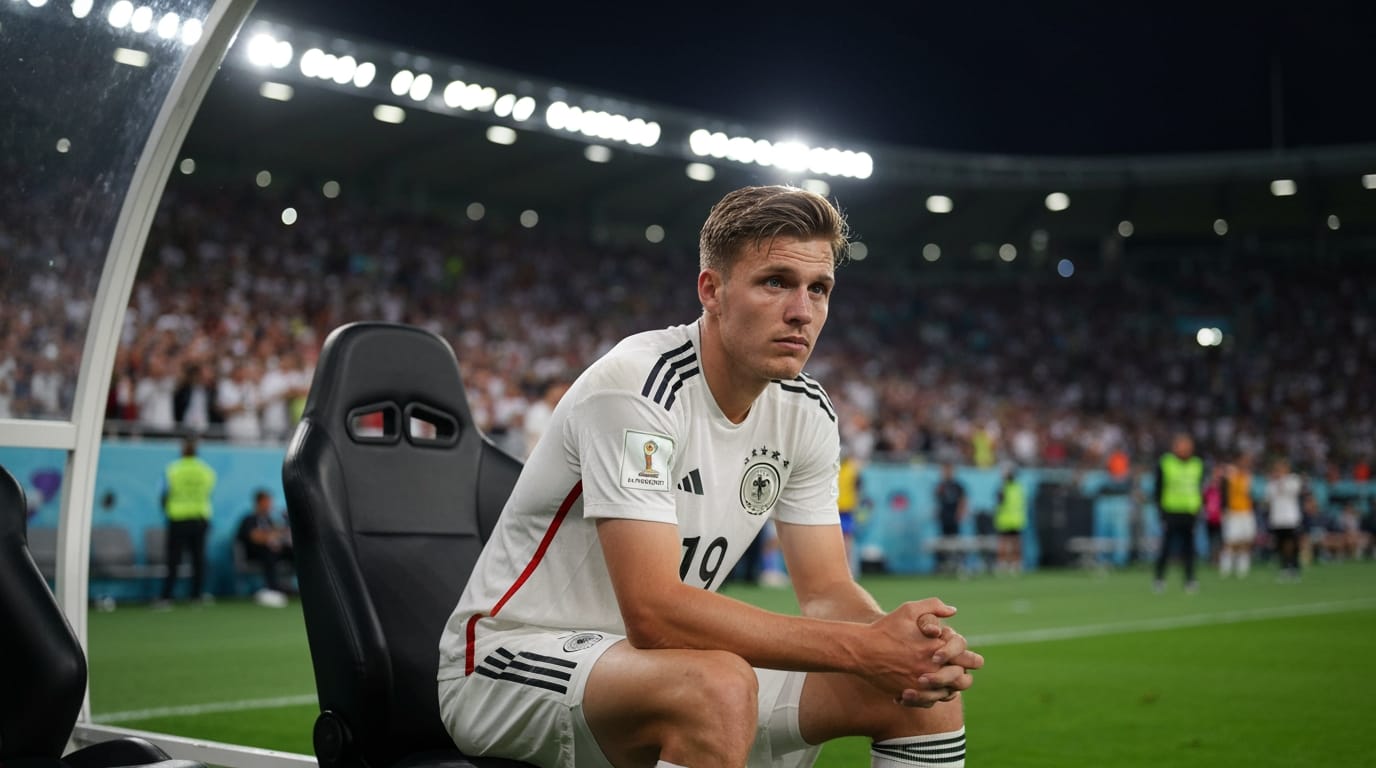
BOSTON, MA – Germany, a footballing titan with a storied history of World Cup triumphs, has once again been cast into a period of deep introspection following a shocking early exit from the 2026 FIFA World Cup. Die Mannschaft's campaign ended abruptly in the Round of 32, succumbing to a tenacious Paraguay 4-3 in a dramatic penalty shootout after a 1-1 draw in extra time at Gillette Stadium. The defeat marks an unprecedented and bitter chapter for a nation accustomed to deep tournament runs, raising urgent questions about tactical identity, player development, and the future direction of German football.
The unexpected elimination, described by many as the biggest upset of the tournament, sent shockwaves through the football world and plunged German fans into despair. What began with dominant group stage performances, including a 7-1 rout of Curaçao, unraveled quickly, exposing underlying fragilities that analysts say have plagued the team for years.
A Familiar Falter: Possession Without Penetration
Germany entered the knockout stage topping their group, despite a 2-1 defeat to Ecuador in their final group match that foreshadowed the difficulties ahead. Their Round of 32 clash against Paraguay, a team that barely scraped through as the seventh-best third-placed side, was expected to be a confident step toward the quarter-finals. Instead, it became a tactical quagmire. Germany dominated possession, holding 78% of the ball in the first half, but struggled to convert that control into meaningful chances. Despite over 400 more passes than their opponents, Germany managed an expected goals (xG) figure of just 0.58 after 90 minutes, highlighting a critical lack of offensive bite.
Paraguay, adopting a deep, defensively resolute 4-5-1 formation, absorbed German pressure and struck first through Julio Enciso's unmarked header in the 42nd minute. Germany eventually equalized in the second half, but their attack remained largely devoid of ideas, relying on repetitive crosses into the box that failed to break down Paraguay's disciplined defense. The match culminated in a tense penalty shootout, where Germany, historically proficient from the spot, missed three of six attempts. Jonathan Tah's decisive miss, blasted over the bar, sealed their fate and handed Paraguay their first-ever World Cup shootout victory against Germany.
Tactical Crossroads and Coaching Conundrums
The post-match analysis swiftly pointed to a recurring theme: Germany's struggle to forge a consistent playing identity. The team, under Julian Nagelsmann, appeared to oscillate between a dominant possession-based approach and attempts at fast transitions, never fully committing to or mastering either. This lack of a stable style created a disconnect, particularly in midfield, where control was often lost in critical moments.
A significant concern highlighted was the team's attacking efficiency. Despite creating opportunities, Germany demonstrably lacked a reliable, clinical striker capable of converting chances in decisive moments. This issue has been a persistent talking point in German football for some time, with the absence of a traditional number nine often cited as a tactical vulnerability. Defensively, the team also showed weaknesses in transition, with gaps appearing in the backline and poor coordination when opponents increased their tempo.
Nagelsmann's coaching decisions faced scrutiny, particularly his reluctance to adjust a misfiring attack and his choices regarding substitutions. Reports indicated a potential disconnect between the coach's assessment of the team's performance and the views expressed by some players, which could erode team unity under pressure. Despite the early exit, Nagelsmann has indicated he will not resign, stating the volatile nature of tournament football: "If you win, everything is good. If you lose, everything is sh*t."
Deep-Seated Issues: A System Under Strain
Germany's struggles at the 2026 World Cup are not isolated incidents but rather the latest manifestations of a deeper structural crisis that has seen the four-time champions endure consecutive group stage exits in 2018 and 2022. The period following their 2014 World Cup victory has been marked by a gradual decline, with the team struggling to replace a golden generation of players.
One critical area of concern is the German Football Association's (DFB) youth development system. While historically lauded, some critics argue that "over-professionalization" in youth academies and a focus on comfort zones over competitive resilience may be hindering the development of players ready for the harsh realities of professional football. There's also a perceived lack of opportunities and playing experience for young German talents in the Bundesliga, with foreign players often occupying key roles. The DFB has acknowledged these challenges and has been working on reforms to youth football, focusing on player-centered development and less on early results.
The retirement of long-serving veterans from the 2014 squad created a void, not just in terms of skill but also in terms of on-field leadership. Beyond Joshua Kimmich, the current squad has been criticized for lacking commanding personalities that characterized previous World Cup-winning teams. Furthermore, a cultural shift within the squad, with divisions emerging, has made it harder to build the unified team spirit that once defined German national teams. The reliance on possession, once a strength, has been criticized for becoming sterile and predictable, failing to generate decisive offensive actions.
The Road Ahead: Rebuilding a Legacy
The immediate fallout from the World Cup exit will undoubtedly involve intense media scrutiny, fan anger, and calls for significant changes within the DFB. Nations like South Korea, after their own early exit from the 2026 World Cup, have seen widespread demands for governance reforms and leadership changes. For Germany, the task ahead is immense. It requires a comprehensive re-evaluation of coaching philosophy, player selection, and the entire youth development pipeline.
The next generation of German talent, including promising young players, carries the hopes of the nation. However, the challenges of integrating them effectively, fostering a clear tactical identity, and instilling the mental fortitude required for major tournaments remain paramount. The 2026 World Cup exit serves as a stark reminder that past glory does not guarantee future success, and even footballing powerhouses must continuously adapt and evolve to remain competitive on the global stage. The journey to reclaim their position among the elite will be long and arduous, demanding courage, clear vision, and a willingness to confront deep-seated issues that extend far beyond the ninety minutes on the pitch.