German Gymnastics Club Severes Ties with Pro-Putin Russian Star Amid Escalating Controversy
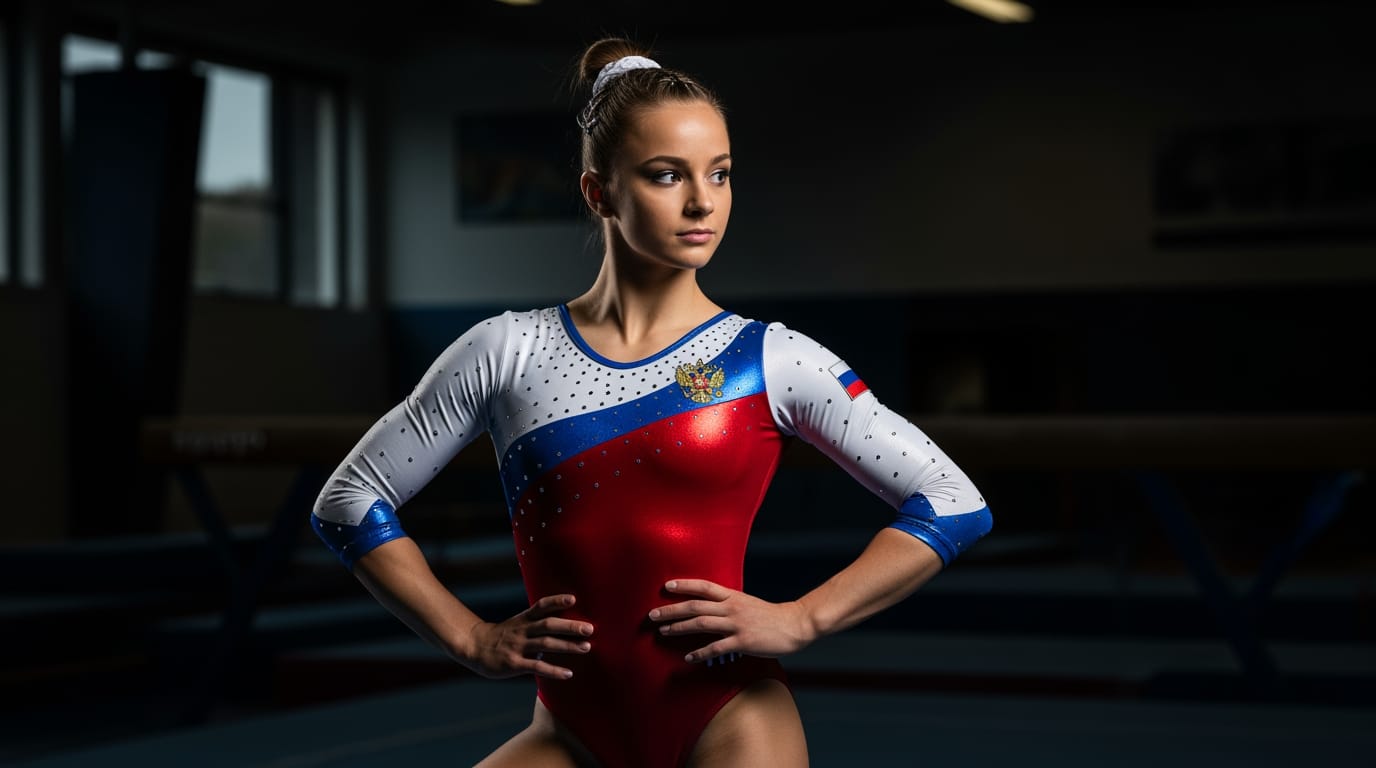
A German gymnastics club has found itself at the heart of an international firestorm, culminating in its decision to drop Russian star Angelina Melnikova from upcoming competitions. The move by TSV Tittmoning-Chemnitz comes just weeks after Melnikova's highly anticipated debut in the German Bundesliga, which ignited widespread backlash due to her well-documented support for Russia's war in Ukraine and strong ties to President Vladimir Putin. The incident underscores the profound challenges international sports bodies face in balancing athletic participation with geopolitical realities and strict neutrality guidelines.
The controversy began almost immediately after the Olympic medalist signed with TSV Tittmoning-Chemnitz and made her first appearance on November 15 in Esslingen. Despite her impressive performance, securing the highest score on all four apparatuses and aiding her team to a first-place finish, the event was overshadowed by concerns over her political stance. Esslingen's mayor, Matthias Klopfer, publicly urged the club to reconsider its decision, highlighting Melnikova's active support for Putin and the war. Klopfer emphasized his city's partnership with Ukrainian city Kamianets-Podilskyi and the ongoing efforts to support war victims, calling any support for Putin "inexcusable" even in top-level sports. The palpable tension and public scrutiny led the club's board to make a swift and impactful decision: Melnikova would not compete in the Bundesliga finals scheduled for November 29 in Heidelberg. Tatjana Bachmeer, Chemnitz's coach, confirmed the decision, indicating that the club prioritized shielding its coaches and athletes from mounting external pressures.
Angelina Melnikova is a decorated athlete, a 25-year-old veteran with an Olympic gold medal from the Tokyo Games. Her recent athletic achievements include two gold medals and a silver, including the prestigious all-around crown, at the World Championships in Jakarta just last month. This triumph even garnered personal congratulations from President Putin, who lauded her "triumphant performance." However, her athletic prowess is deeply intertwined with her public political allegiances. Melnikova has repeatedly expressed support for Russia's war against Ukraine on her Instagram account, sharing pro-war content and prominently using the "Z" symbol, which has become synonymous with the invasion. Her involvement extends beyond social media; in 2023, she participated in fundraising for the daughter of a Russian serviceman killed in action, and in January 2025, she conducted a charity training session for children from families of "special military operation" participants. In May 2025, she posted a photo wearing a St. George's ribbon stylized as the letter Z. Further cementing her ties to the Russian establishment, Melnikova won primaries for the pro-government United Russia party in a local Voronezh election in April 2025, though she later withdrew her candidacy citing the demands of her gymnastics career. She also received the Order of Friendship personally from Putin in 2021 and the Medal "For Strengthening the Combat Commonwealth" from then-Defense Minister Sergei Shoigu.
The decision by the International Gymnastics Federation (FIG) in March 2025 to grant Melnikova "neutral athlete" status, allowing her to compete internationally despite bans on Russian and Belarusian athletes, stands in stark contrast to her public actions. The FIG's neutrality rules explicitly prohibit any active support for the military conflict in Ukraine. Ukrainian authorities have vehemently protested this status, with Ukraine's Ministry of Youth and Sports and the Ukrainian Gymnastics Federation calling on the IOC and FIG to suspend Melnikova. They argue her actions directly violate the conditions for neutrality and have designated her a "champion of terror." When confronted by a German broadcaster about her neutral status, Melnikova reportedly offered only a terse "No comment." The German gymnastics league (Deutsche Turn Liga) has maintained that it is simply adhering to the international body's guidelines.
This incident reignites the broader, contentious debate surrounding the participation of Russian and Belarusian athletes in international competitions. Sporting federations worldwide have grappled with the moral and ethical implications of allowing athletes from aggressor nations to compete, even under a neutral flag. The case of Angelina Melnikova highlights the immense difficulty, if not impossibility, of separating sport from politics when athletes themselves are vocal proponents of a war or are closely aligned with regimes facing international condemnation. The swift action by TSV Tittmoning-Chemnitz demonstrates the growing pressure on individual clubs and host cities to respond to public sentiment and uphold perceived ethical standards, even if it means diverging from international sporting body guidelines. It raises questions about the definition and enforcement of "neutrality," and whether such status can truly exist for high-profile athletes whose public personas are deeply intertwined with state-backed narratives.
The removal of Angelina Melnikova from the Bundesliga finals serves as a stark reminder of the volatile intersection of elite sports and global politics. While her athletic talent is undeniable, her explicit support for Russia's military actions in Ukraine has rendered her participation in a German league untenable for the club and local authorities involved. This situation underscores the ongoing struggle for international sports organizations to formulate and enforce policies that genuinely promote peace and neutrality, rather than inadvertently providing platforms for controversial political statements. As the conflict in Ukraine continues, the spotlight will remain intensely focused on how sporting bodies and individual athletes navigate these increasingly complex ethical landscapes.