German Health Minister Unveils Sweeping Reforms Amidst Billions in Healthcare Cutbacks
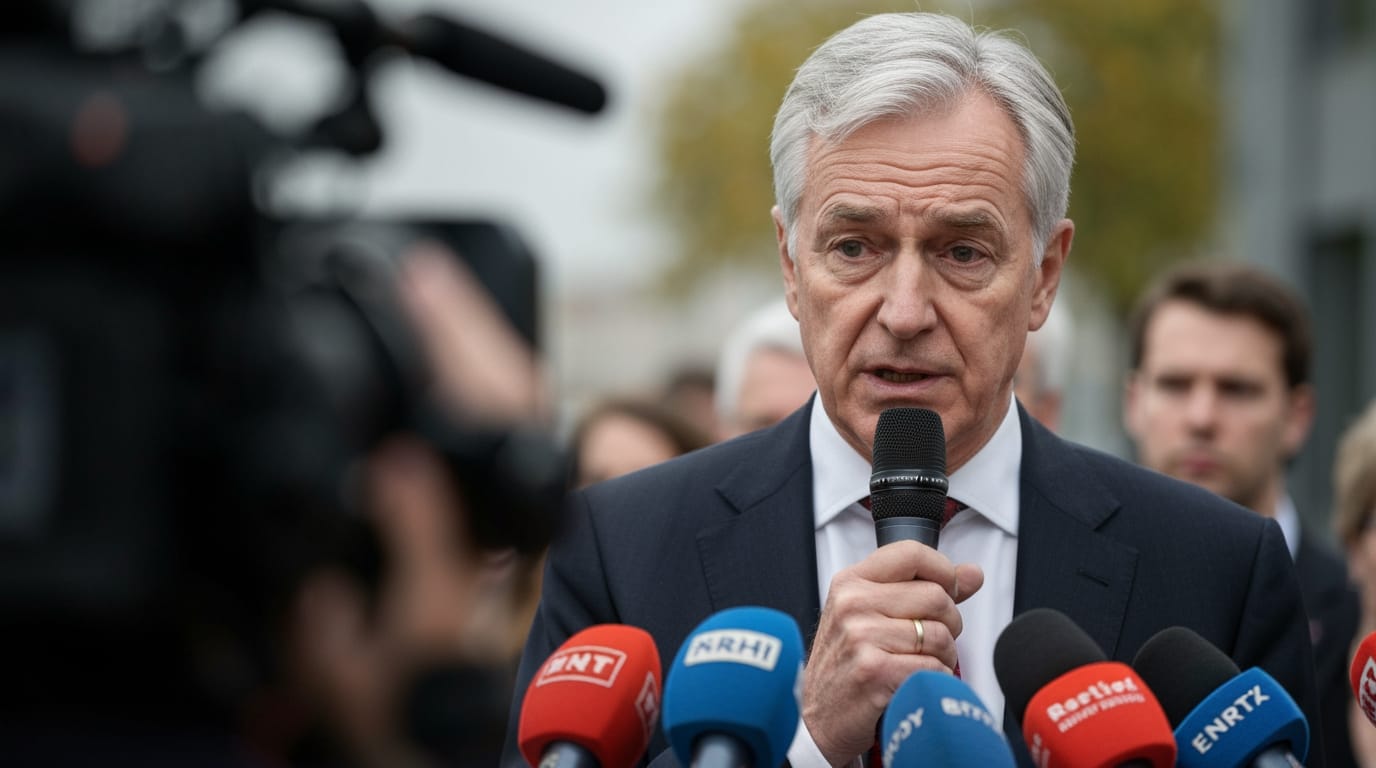
Berlin, Germany – Germany's healthcare system stands on the precipice of a monumental overhaul as Health Minister Karl Lauterbach announced comprehensive reform initiatives aimed at addressing a ballooning financial deficit and systemic inefficiencies. The ambitious plans, described by Lauterbach as a "revolution," seek to stabilize a system facing billions in shortfalls and escalating costs, promising a challenging period of transformation for patients and providers alike.
The financial pressures gripping Germany's healthcare sector have intensified, with statutory health insurance funds projected to face a shortfall of up to €15 billion next year. The deficit for the public health system collectively reached an estimated €45 billion last year, as expenses soared past €340 billion against €295 billion in premiums. Experts warn that this gap could widen to €40 billion by the end of the decade without significant intervention. In response, the government is pushing for reforms that, according to various proposals, could impose more than €60 billion in cost reductions by 2030.
The Hospital Reform: A System Under Duress
At the heart of the current reforms lies the critical state of Germany's hospitals. A recent report revealed that more than half of all German hospitals are projected to incur losses in 2024, a sharp increase from previous years, with many facing severe financial distress and some on the brink of insolvency. Lauterbach's hospital reform, which gained parliamentary approval and is set for gradual implementation from January 2025 to 2029, aims to fundamentally restructure how hospitals are financed and operate.
A key aspect of this reform involves moving away from the current fee-for-service model, which incentivizes volume over necessity, to a system where hospitals receive a guaranteed income for maintaining essential services. This shift is intended to alleviate financial pressure on hospitals, discourage unnecessary procedures, and promote higher quality care by ensuring institutions are adequately equipped for complex treatments. Furthermore, the reform anticipates a reduction in the number of hospitals, potentially by as many as 1,000, through what critics have termed "financial starvation," alongside efforts to expand clinics and digitalize bureaucracy. A €50 billion transformation fund is planned to support these changes between 2026 and 2035, though concerns persist over the equitable distribution of this financial burden between statutory health insurance and federal states.
Broadening the Scope: Further Proposed Cutbacks
Beyond the hospital sector, the broader German government is grappling with how to fund the healthcare system. An independent commission of health experts and economists formulated 66 concrete measures promising potential savings of up to €60 billion by 2030. These proposals, some presented by Federal Health Minister Nina Warken in late March 2026 under the context of a potential future government, suggest wide-ranging cost-cutting strategies.
Among the controversial measures put forth are restrictions on doctors' pay, reining in drug costs, and shifting the financing responsibilities for welfare recipients. The commission also proposed increasing co-payments for medications, introducing a sugar tax, and raising taxes on tobacco and alcohol. More radical ideas include abolishing free co-insurance for spouses, mandating independent second opinions for long-term planned surgeries to prevent unnecessary procedures, and even questioning the necessity of general health check-ups and skin cancer screenings. Additionally, homeopathy is suggested for exclusion from mandatory health insurance coverage, and general practitioners could face fee reductions. These proposals signal a significant departure from current practices and underscore the urgency of the fiscal situation.
Impact on Patients and Providers
The sweeping nature of these reforms and proposed cutbacks is set to profoundly impact both those who provide care and those who receive it. For healthcare workers, particularly nurses, the system is already at a breaking point, with a current shortage of 115,000 full-time nurses, projected to rise to 500,000 within a decade. The financial struggles of care facilities are evident, with an average of two facilities filing for insolvency daily last year. Doctors, especially in rural areas, are reportedly leaving due to financial pressures and operational challenges, leading to concerns about access to care.
Patients may face longer waiting times for specialists, with public patients currently waiting an average of 42 days. Higher health insurance contributions are also a looming possibility, with estimates suggesting an additional annual cost of €30 for employees. While Health Minister Lauterbach insists that successful implementation of the full reform package will negate the need for additional increases, the proposed measures could lead to increased out-of-pocket expenses for citizens. Critics warn that cuts to healthcare providers will inevitably worsen the quality of care and hamper efforts to improve services like faster specialist appointments.
Addressing Systemic Challenges and Future Sustainability
The necessity for these drastic measures stems from deep-seated structural issues within the German healthcare system. Despite Germany spending over €5,300 per person on healthcare—the highest in the EU—its life expectancy remains below the European average, and its public health index ranks second to last among developed neighbors. The system is characterized by inefficiencies, staff shortages, poor digitalization, and excessive bureaucracy. Critics argue that the system acts as a "repair shop," heavily investing in reactive treatments rather than prevention, which accounts for less than 1% of the budget.
The government's rationale is clear: to streamline processes, optimize financial resources, and ensure the long-term sustainability of the nation's health services. Lauterbach has emphasized that without these structural reforms, the only alternative would be a reduction in services or an unsustainable increase in contributions. The aim is to create a more patient-centered system by moving the focus from economic considerations back to medical needs, despite the significant challenges and widespread debate anticipated among all stakeholders.
As Germany navigates this complex and contentious period, the effectiveness of these reforms will depend on balancing urgent fiscal consolidation with maintaining the high standard of care its citizens expect. The coming years will reveal whether these ambitious cutbacks and systemic overhauls can truly secure the future of one of Europe's most extensive healthcare systems.


