German Parliament Speaker Makes Historic Visit to Gaza Amidst Ongoing Conflict
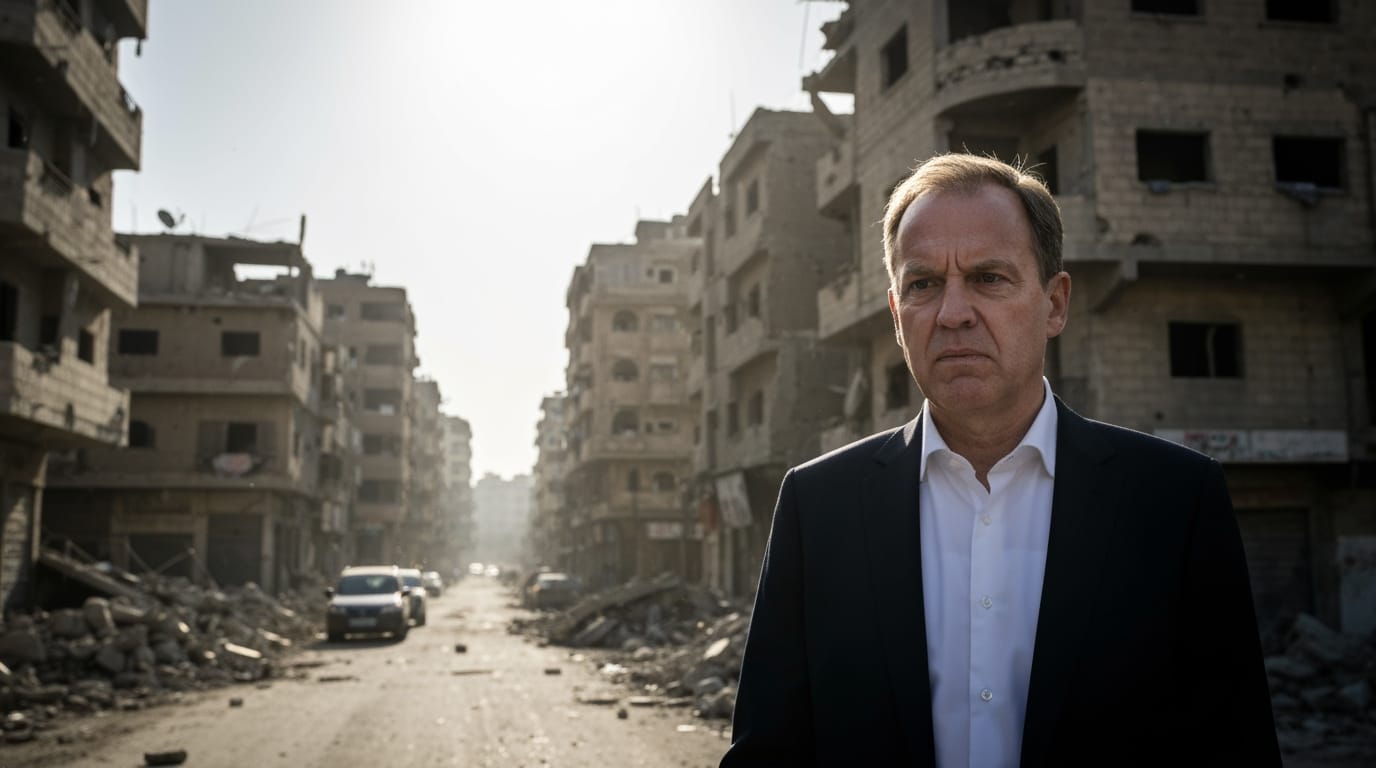
GAZA STRIP – In a significant diplomatic development, Julia Kloeckner, the Speaker of Germany's lower house of parliament, the Bundestag, today became the first high-ranking German official to enter the Gaza Strip since the October 7, 2023 attacks that ignited the current devastating conflict. Her brief visit to an Israeli-controlled section of the besieged territory marks a notable moment in Germany's engagement with the region, coming after a period of unwavering support for Israel.
Kloeckner spent approximately one hour within the area of Gaza under Israeli military control, according to the German parliament. The visit occurred just one day after she was honored by the Knesset, Israel's parliament, underscoring the delicate balance of Germany's foreign policy in the Middle East. This direct, albeit limited, engagement with the Gazan territory itself is poised to draw international attention and potentially signal evolving diplomatic considerations from Berlin.
The Visit: A Glimpse into Gaza
Details surrounding Speaker Kloeckner's brief entry into the Gaza Strip remain somewhat limited, focusing primarily on its unprecedented nature rather than extensive itinerary. The fact that her access was to an "Israeli-controlled part" of Gaza highlights the complex security and political environment governing entry into the enclave. Such access typically involves coordination with Israeli authorities, a testament to the close diplomatic ties between Germany and Israel. Her presence in the region, fresh from an honoring ceremony at the Knesset, suggests a carefully orchestrated sequence of events aimed at affirming Germany's solidarity with Israel while also making a tangible, if symbolic, gesture toward the plight within Gaza. The approximately one-hour duration of her visit suggests a focused observation rather than extensive meetings or deep dives into the humanitarian crisis.
Germany's Unwavering Stance and Evolving Diplomacy
Germany's foreign policy, particularly concerning Israel, is deeply rooted in its historical responsibility stemming from the Holocaust. This has consistently translated into a strong commitment to Israel's security, famously articulated as Germany's "raison d'état" by former Chancellor Angela Merkel and reaffirmed by current Chancellor Olaf Scholz. Following the October 7, 2023 attacks, Germany swiftly and unequivocally condemned Hamas, reiterated its solidarity with Israel, and emphasized Israel's right to self-defense. Chancellor Scholz himself visited Israel shortly after the attacks, a demonstration of immediate support. Other high-ranking German officials have also visited Israel during this period, reinforcing this steadfast alliance.
However, the ongoing conflict has also brought immense humanitarian suffering to Gaza, prompting global calls for aid and, at times, criticism of the extent of Israel's military operations. Germany has been a significant provider of humanitarian assistance to the region, and its leaders have also called for improved humanitarian access to Gaza. For instance, in December 2025, German Chancellor Friedrich Merz visited Israel to restore strained ties and called for increased humanitarian aid for Gaza, while advocating for a two-state solution. More recently, there was an indication in August 2025 that Germany would be pausing weapon sales to Israel following Israeli cabinet plans to occupy all of Gaza. This complex interplay of staunch support for Israel's security alongside concerns for humanitarian conditions and the long-term future of the region characterizes Germany's approach.
Symbolic Significance and Potential Implications
Speaker Kloeckner's visit, brief as it was, carries considerable symbolic weight. As the first German politician to step onto Gazan soil since October 7, it signals a direct acknowledgment of the territory's reality beyond the border. While her visit was to an Israeli-controlled sector, it nonetheless represents a physical presence in a territory that has been largely inaccessible to many international figures since the conflict intensified. This could be interpreted as a humanitarian gesture, an attempt to gain firsthand, albeit limited, insight into the conditions on the ground. Such direct observation, even for a short period, can inform policy discussions and influence Germany's diplomatic efforts regarding humanitarian aid, reconstruction, and future stability in the region.
The timing of the visit, immediately following an honor from the Knesset, strategically positions Germany as a balanced actor, able to maintain strong bilateral ties with Israel while also showing concern for the civilian population in Gaza. It reflects a nuanced diplomatic strategy aiming to navigate the complexities of the Israeli-Palestinian conflict, demonstrating both solidarity and a broader commitment to regional stability. This delicate balance is crucial for Germany, as it seeks to uphold its "raison d'état" concerning Israel while also adhering to international humanitarian principles and playing a constructive role in global efforts towards peace.
Navigating the Broader Regional Landscape
The visit unfolds against a backdrop of ongoing hostilities, a severe humanitarian crisis in Gaza, and fervent international debate over the conflict's trajectory. The war has resulted in widespread destruction and a catastrophic loss of life, displacing a vast majority of Gaza's population. International bodies and numerous nations have consistently called for a ceasefire and unimpeded humanitarian access to address the dire situation.
Germany's position has been one of robust support for Israel, a stance that has at times put it at odds with other European nations and international organizations advocating for different approaches to the conflict. However, the continuous calls from German officials for increased humanitarian aid and a diplomatic solution, including a two-state solution, illustrate a commitment to a comprehensive resolution that addresses the needs and rights of both Israelis and Palestinians. Speaker Kloeckner's visit, therefore, can be viewed as another facet of Germany's multifaceted engagement, seeking to leverage its strong relationship with Israel to perhaps influence humanitarian outcomes or gather intelligence that could inform future diplomatic initiatives.
Conclusion
Julia Kloeckner's historic visit to the Israeli-controlled part of the Gaza Strip marks a significant point in Germany's diplomatic efforts concerning the Israeli-Palestinian conflict. As the first German politician to enter the territory since the devastating October 7, 2023 attacks, her presence underscores a deepening, albeit carefully calibrated, engagement with the realities on the ground. It reflects Germany's ongoing commitment to Israel's security, a bedrock of its foreign policy, while simultaneously signaling an acknowledgement of the profound humanitarian challenges within Gaza. This delicate act of balancing solidarity with a key ally and demonstrating concern for affected civilians highlights the evolving complexities of international diplomacy in one of the world's most volatile regions. The full implications of this visit will likely unfold as Germany continues to navigate its role in promoting stability and a potential path to peace in the Middle East.