German Police Launch Probes into Anti-Deportation Protests and Far-Right Activities
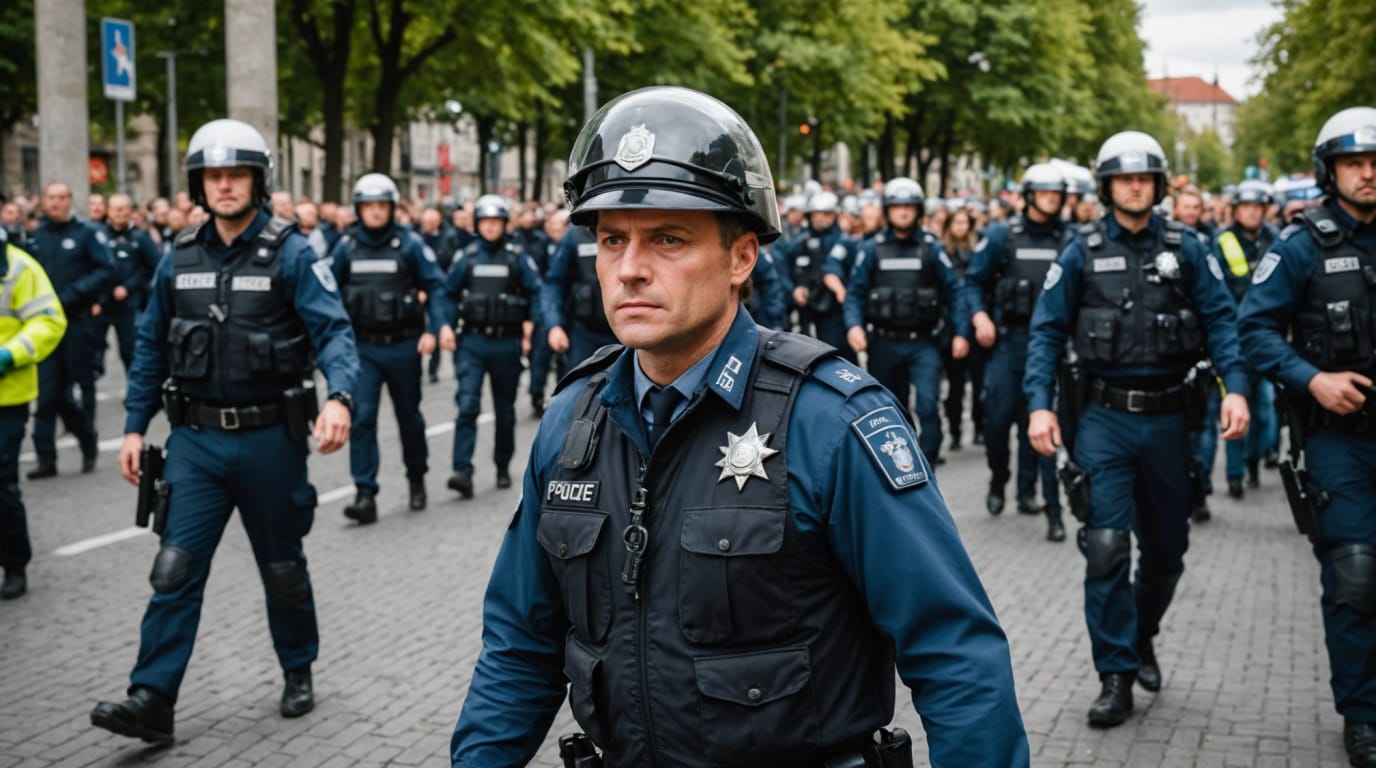
German police have initiated investigations into several incidents related to both anti-deportation protests and activities of the far-right Alternative für Deutschland (AfD) party, signaling a heightened state of alert regarding political extremism and immigration-related tensions within the country. These investigations come amid growing public debate and protests surrounding immigration policies and the rise of right-wing sentiment.
The probes encompass a range of alleged offenses, from property damage and resisting arrest during pro-Palestinian demonstrations to the distribution of controversial "deportation tickets" by members of the AfD. These events have ignited public outrage and drawn condemnation from various political factions, raising concerns about freedom of speech, the targeting of minority groups, and the potential for escalating social unrest.
Deportation Orders Spark Protests and Legal Challenges
Recent weeks have seen a surge in protests across Germany following the issuance of deportation orders for four pro-Palestinian activists, including three European Union citizens and one American. Berlin immigration authorities issued the orders on March 31, demanding that the individuals leave Germany within one month or face deportation. The orders cite their involvement in an October 2024 protest where masked individuals allegedly caused property damage, resisted arrest, and verbally abused a police officer.
What makes these cases particularly controversial is the invocation of the German principle of Staatsräson ("state-reason") in three of the four orders. This term, originating from a 2008 speech by Angela Merkel affirming Israel's security as fundamental to Germany's purpose, is not formally defined in German law. Critics argue that its use in these deportation cases represents a politically motivated attempt to silence dissent and weaponize immigration law.
Lawyers representing the activists are appealing the decisions, arguing that the deportation orders are unlawful and violate their clients' rights to freedom of expression and due process. They draw parallels to similar cases in the United States, where immigration laws have been used to target political activists. Protesters have taken to the streets in Berlin and other cities, denouncing the deportations as an attack on political activism and expressing solidarity with the affected individuals.
AfD's "Deportation Tickets" Campaign Under Scrutiny
In a separate but related development, German police have launched an investigation into the AfD over its campaign in Karlsruhe, where members distributed flyers resembling airline boarding passes with the phrase "deportation ticket" printed on them. The flyers, which listed a departure date coinciding with upcoming parliamentary elections, sparked widespread outrage and accusations of inciting hatred against immigrants.
The Left party has filed a criminal complaint over the flyers, alleging that they were specifically targeted at people of foreign origin. While the AfD regional organization in Karlsruhe denies this, claiming the flyers were sent to all voters regardless of their background, the incident has fueled concerns about the party's increasingly radical rhetoric and its potential to normalize discriminatory attitudes.
The investigation into the "deportation tickets" campaign highlights the ongoing debate surrounding the AfD's political agenda and its impact on German society. Critics accuse the party of exploiting anti-immigrant sentiment and promoting divisive policies that threaten the country's social fabric. Supporters, on the other hand, defend the AfD's right to express its views and argue that its policies are necessary to address concerns about immigration and national identity.
Broader Context: Germany's Approach to Pro-Palestinian Activism and Far-Right Extremism
These recent investigations occur within a broader context of heightened tensions surrounding pro-Palestinian activism and the rise of far-right extremism in Germany. Since the Hamas-led incursion into southern Israel on October 7, 2023, Germany has faced accusations of clamping down on pro-Palestinian voices, with authorities banning demonstrations and restricting the use of certain symbols associated with Palestinian identity.
At the same time, concerns about far-right extremism have been growing, fueled by reports of secret meetings between AfD members and neo-Nazi leaders to discuss plans for "remigration," a euphemism for the forced deportation of immigrants, including those with German citizenship. These reports have triggered mass protests across the country, with demonstrators calling for the AfD to be banned and denouncing its policies as reminiscent of Nazi-era atrocities.
The German government has defended its actions, citing the country's historical responsibility to Israel and the need to combat antisemitism and hate speech. However, critics argue that the government's approach is disproportionate and infringes on fundamental rights to freedom of expression and assembly. They warn that the crackdown on pro-Palestinian activism could have a chilling effect on political discourse and further marginalize minority groups.
Implications and Future Outlook
The ongoing investigations into anti-deportation protests and AfD activities have significant implications for German society. They raise fundamental questions about the balance between security and freedom, the rights of immigrants and minorities, and the role of political discourse in a democratic society.
The outcome of these investigations could have far-reaching consequences for the individuals and organizations involved, as well as for the broader political landscape in Germany. Depending on the findings, the activists facing deportation could be forced to leave the country, while the AfD could face further scrutiny and potential legal challenges.
More broadly, these events underscore the need for a comprehensive and nuanced approach to addressing the complex challenges of immigration, integration, and political extremism in Germany. This approach must involve protecting fundamental rights, promoting social cohesion, and fostering open and respectful dialogue across different perspectives. Failure to do so could lead to further polarization and social unrest, undermining the country's democratic values and its commitment to human rights.


