German Soccer Field Transforms into Climate Resilience Blueprint for Flood Protection
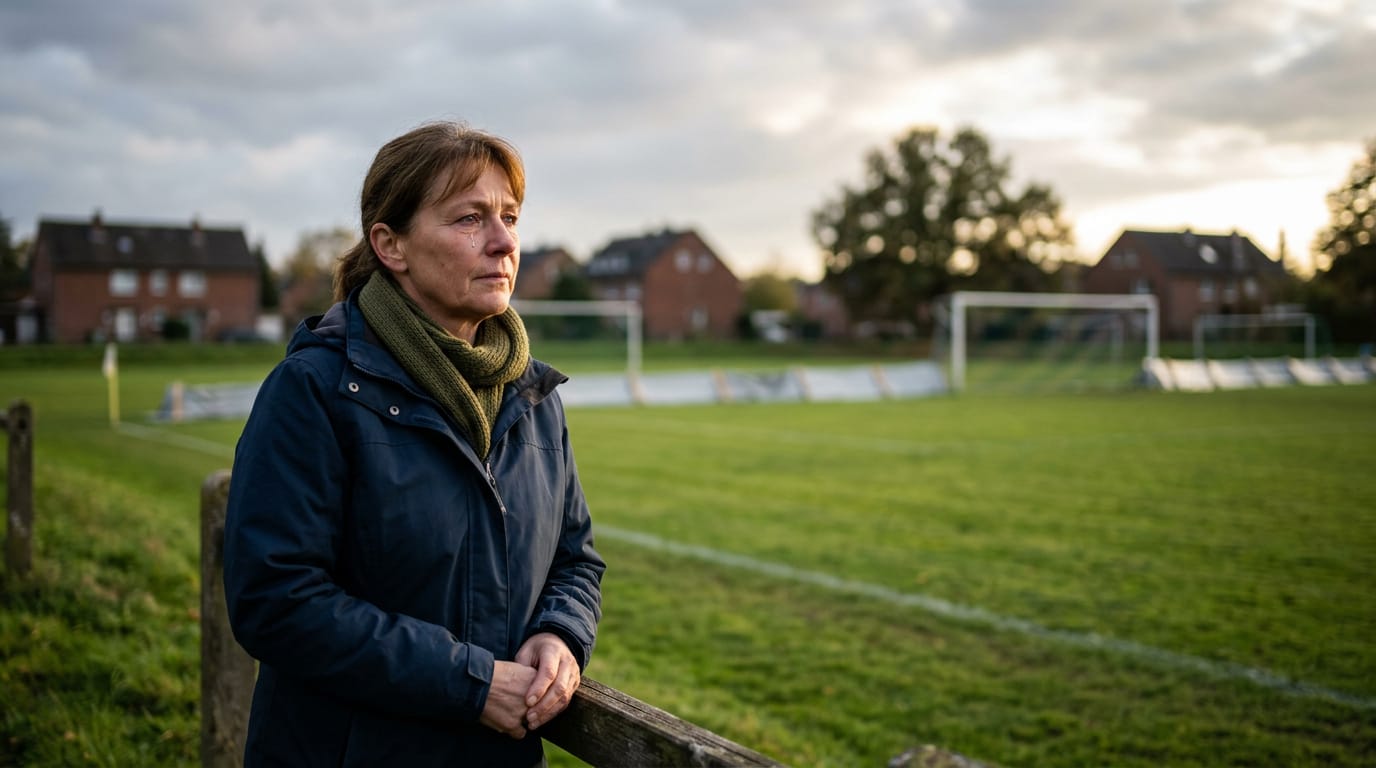
HAMBURG – In an innovative move to combat the escalating threat of climate change, a soccer field in Hamburg is being repurposed to double as critical flood protection infrastructure. The Hein Klink Stadium, typically a vibrant hub for local sports, is undergoing a transformation that will see its playing surface become a vital component of the city's strategy to manage extreme rainfall events. This pioneering project underscores a growing recognition across Germany that urban spaces, including recreational facilities, must adapt to a future defined by more frequent and intense flooding.
The initiative, part of Hamburg's broader Rain InfraStructure Adaptation (Project RISA), marks a significant shift in urban planning, integrating natural and built environments to create resilient cities. As communities grapple with the realities of a changing climate, the dual-purpose stadium offers a compelling model for safeguarding urban areas while preserving cherished public amenities.
The Rising Tide Threatening German Football
Germany, like much of Europe, has experienced an alarming increase in extreme weather events, with severe flooding causing widespread disruption and damage. The catastrophic floods of July 2021, particularly in North Rhine-Westphalia, served as a stark reminder of the vulnerability of infrastructure, including sports facilities. The town of Roitzheim, for instance, saw its new football ground, complete with a synthetic pitch, completely washed away, a devastating blow for the local club SC Roitzheim. Similarly, the PreZero Arena in Sinsheim, home to TSG 1899 Hoffenheim, was inundated recently due to torrential rains, leading to the pitch being entirely submerged. These incidents highlight a pervasive problem, with football analyst David Goldblatt reporting in 2020 that nearly one in four English league teams could face partial or total annual stadium flooding by 2050, a projection likely mirrored in Germany.
The economic toll of such events is substantial; the 2021 floods in Germany alone caused over €29 billion in damages, deeply impacting sporting fields. Beyond financial costs, clubs face postponed matches, damaged facilities, and increased maintenance expenses, jeopardizing the very foundation of grassroots football. Experts warn that warmer air, capable of holding more water vapor, means an increased likelihood of heavy precipitation, leading to more frequent and intense flooding. This escalating risk necessitates adaptive measures that go beyond traditional flood defenses.
Hamburg's "Sponge City" Solution at Hein Klink Stadium
In response to these challenges, Hamburg is pioneering a progressive approach centered on the "sponge city" concept, where urban landscapes are designed to absorb and retain water. Project RISA exemplifies this by transforming urban spaces into "multifunctional areas" capable of temporarily managing runoff peaks during severe downpours. The Hein Klink Stadium in the Billstedt district is at the forefront of this strategy.
Underneath the stadium's playing surface, Hamburg Wasser is constructing an underground storage and infiltration system. This intricate network is designed to collect excess rainwater that would otherwise overwhelm conventional drainage systems and contribute to localized flooding. A newly laid channel will direct water from surrounding streets, passing it through a settling shaft to remove debris before it flows into trenches beneath the stadium. These trenches are engineered to absorb hundreds of thousands of liters of water, gradually releasing it back into the ground, thus mitigating flood risk while replenishing groundwater reserves. The system at Hein Klink Stadium will ultimately be capable of absorbing over 500,000 liters of water during a heavy rainfall event. This innovative design allows the stadium to continue serving its primary purpose for sports, while simultaneously acting as a crucial piece of the city's climate adaptation infrastructure, only being activated for flood retention during extreme, infrequent weather events.
A Broader Strategy for Climate Resilience
The adaptation of Hein Klink Stadium is part of a wider trend in Germany toward comprehensive flood risk management and ecological restoration. The federal government's "Blue Belt" program, for instance, aims to promote the renaturalization of watercourses and floodplains, giving rivers more space to expand naturally during high water events. This involves converting areas, sometimes including former agricultural land, back into natural flood retention zones to improve water holding capacity and ecological benefits.
Cities like Cologne are also implementing a mix of engineered and nature-based solutions, including mobile walls, levees, pumping stations, retention basins, and retained floodplains along the Rhine to protect against floods. While many solutions focus on traditional riverine flooding, there is an increasing emphasis on addressing pluvial (surface water) flooding caused by intense rainfall, which is a key driver for initiatives like Hamburg's Project RISA. The use of artificial turf, which can better withstand heavy rains and reduce waterlogging, is also being considered by some clubs as an adaptation measure, although it comes with its own set of environmental considerations. The challenge remains for smaller, grassroots clubs that often lack the financial resources to implement expensive drainage systems or reconstruct facilities to meet new climate realities.
Balancing Play and Protection
The transformation of the Hein Klink Stadium highlights a critical dilemma: how to balance the recreational and cultural importance of sports facilities with the imperative for urban resilience. By designating the stadium as a "multifunctional space," Hamburg is attempting to reconcile these competing demands. The sports ground will not be permanently waterlogged but will serve as a temporary buffer during extreme events, estimated to occur perhaps once every five years. This approach seeks to minimize disruption to regular sporting activities while maximizing the protective benefits for the surrounding community.
For players and fans, the sight of their home ground temporarily inundated for flood control may be unusual, but it represents a pragmatic acceptance of environmental realities. Clubs and municipal authorities are increasingly working together to develop such integrated solutions, recognizing that shared spaces must serve multiple functions in a world impacted by climate change.
A Model for the Future
Hamburg's Hein Klink Stadium stands as a tangible example of proactive climate adaptation. It represents a forward-thinking model where urban infrastructure is not just protected from environmental threats but is actively designed to manage them. As climate experts warn of even more severe and frequent weather phenomena, the concept of integrating flood retention into everyday public spaces, such as sports fields, will likely become an increasingly common feature of urban planning worldwide. This innovative approach offers a glimpse into a future where cities and their inhabitants learn to coexist with, rather than merely resist, the powerful forces of nature, ensuring both safety and continued community life.