German Voters Skeptical of Government's Longevity Amidst Political Turmoil
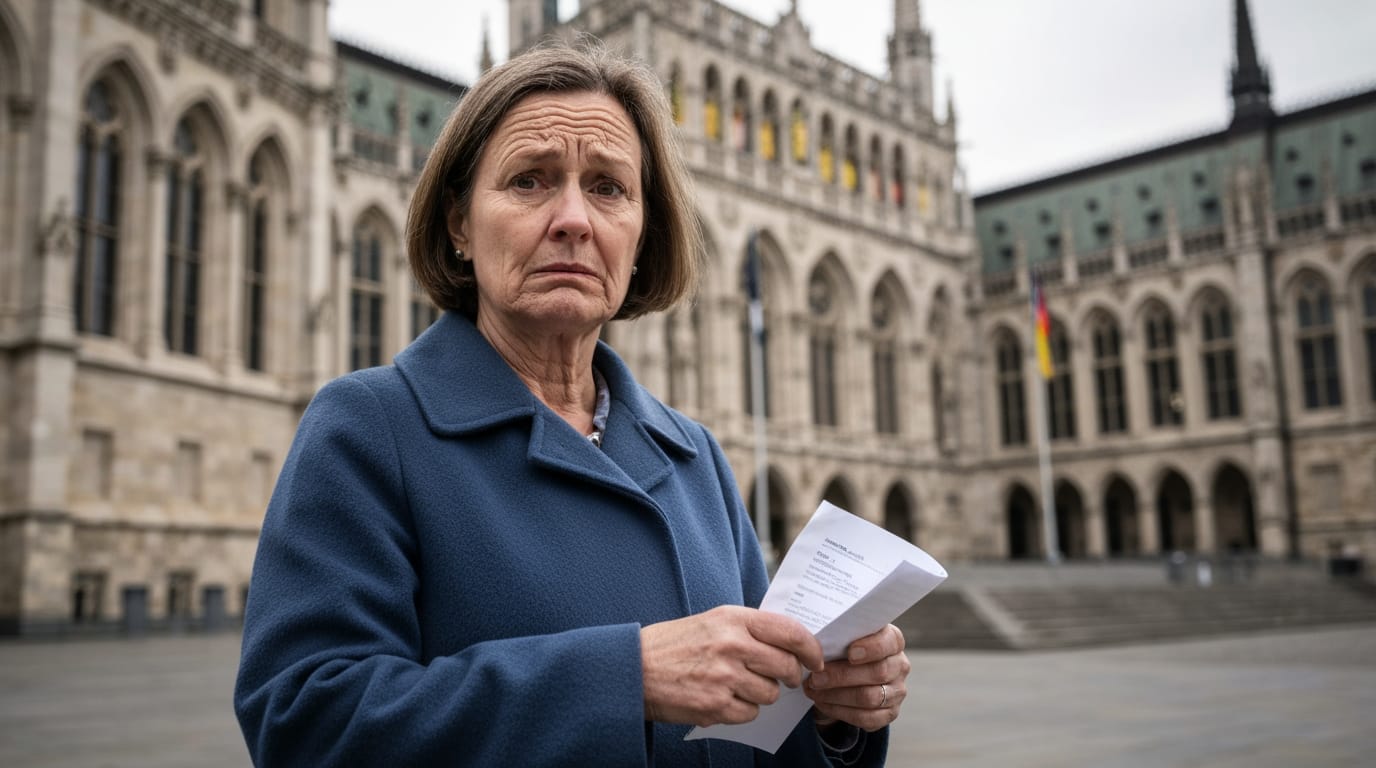
BERLIN – A significant portion of the German electorate harbors deep doubts about the current grand coalition government's ability to remain in power until the next scheduled federal elections in 2029. This widespread skepticism comes on the heels of unprecedented political instability, including the collapse of the previous "traffic light" coalition and subsequent snap elections earlier this year. With a new government under Chancellor Friedrich Merz grappling with internal divisions, economic stagnation, and the surging popularity of fringe parties, public confidence in sustained governance appears to be at a critical low.
The prevailing sentiment reflects a turbulent period in German politics, a nation traditionally seen as a beacon of stability within the European Union. Just over a year ago, the government led by Chancellor Olaf Scholz, comprised of the Social Democrats (SPD), Greens, and the Free Democratic Party (FDP), faced immense public dissatisfaction. As of September 2024, only 3% of Germans believed Scholz's three-party alliance was benefiting the country, with its net approval rating plummeting to -48. This widespread discontent culminated in November 2024 when the "traffic light coalition" fractured over intractable disputes regarding the 2025 federal budget, specifically the constitutionally enshrined "debt brake" and the overall economic policy direction. The dismissal of Finance Minister Christian Lindner (FDP) by Chancellor Scholz triggered the coalition's collapse, paving the way for snap elections.
The Aftermath: Snap Elections and a New Coalition
The unscheduled federal elections, held on February 23, 2025, marked a pivotal moment, being the fourth snap election in post-war German history and the first since 2005. The results underscored a significant shift in the political landscape. The center-right CDU/CSU alliance emerged as the largest bloc, securing 28.5% of the vote. However, the most striking outcome was the robust performance of the far-right Alternative for Germany (AfD), which surged to 20.8%, making it the second-largest party in the Bundestag. The SPD, the former leading party, saw its support decline to 16.4%, while the Greens received 11.6%. Notably, the FDP failed to clear the 5% electoral threshold, losing all its seats in parliament.
Following weeks of negotiations, a new "grand coalition" was formed between the CDU/CSU and the SPD, with Friedrich Merz (CDU/CSU) assuming the chancellorship. This alliance, while providing a parliamentary majority, began its tenure amidst a climate of fragility and heightened expectations for stability.
Lingering Doubts and Internal Strife
Despite the formation of a new government, voter confidence remains low. Polls conducted in late 2025 indicate that over two-thirds of respondents critically or very critically assess the current federal government's performance. Chancellor Merz's personal approval ratings have also seen a sharp decline, with only 35% of Germans wanting him to play a major political role in the country's future, an 11% drop since July 2025. Many political observers and citizens alike openly express doubts that this government will last its full four-year term.
The new grand coalition has been plagued by internal tensions and policy disagreements just months into its mandate. Reports highlight challenges in implementing key policies on pensions and military service, raising concerns about political instability. Conservatives within the coalition have voiced dissatisfaction with compromises made, which some argue contradict their campaign promises. This internal friction is further exacerbated by the differing ideological stances of the CDU/CSU and SPD, particularly on economic and social issues. While the CDU/CSU typically advocates for fiscal conservatism and market-oriented reforms, the SPD tends to prioritize social welfare and worker protections.
Economic Headwinds and Public Frustration
A significant driver of public discontent is Germany's struggling economy. The nation, traditionally an economic powerhouse, has experienced stagnation and recession in recent years. In August 2025, German unemployment hit three million for the first time in a decade, further intensifying public anxiety. Surveys indicate that 61% of Germans expect economic conditions to deteriorate in the coming years.
The government's perceived failure to effectively address these economic challenges fuels widespread frustration and a sense of ineffectiveness. Critics argue that Chancellor Merz's focus on migration, while important, has diverted attention from more pressing economic concerns, a move described by some as a "fatal mistake." The inability to deliver on economic pledges risks deepening public distrust and providing fertile ground for opposition parties.
The Rise of the Extremes and a Fragmented Landscape
The political instability and public dissatisfaction have directly contributed to the unprecedented rise of extremist parties, particularly the AfD. Capitalizing on widespread frustration with mainstream politics, the AfD has expanded its appeal, especially in eastern Germany. The party's anti-immigration platform and critique of traditional parties resonate with a segment of the electorate feeling unheard. The prospect of the AfD becoming even stronger in future elections, potentially leading to a "horror scenario" of a significant victory by 2029, is a palpable concern among centrist parties. The emergence of the Sahra Wagenknecht Alliance (BSW), a new left-wing populist party, further fragments the political landscape, attracting voters disillusioned with established parties.
For the first time, centrist parties in the Bundestag do not hold a two-thirds majority, a crucial requirement for amending the constitution or electing judges, signaling a deep structural change in Germany's political system. This fragmentation complicates governance and makes significant reforms more challenging to achieve.
Conclusion
As Germany approaches 2026, the second year of the current legislative period, the grand coalition government faces an uphill battle to regain public trust and demonstrate its capacity for stable governance. The widespread doubt among voters regarding its ability to last until 2029 is a direct consequence of recent political upheavals, persistent economic challenges, and the escalating influence of populist and extremist forces. For the government to overcome this skepticism, it must effectively address core economic concerns, foster internal cohesion, and present a united front that can restore confidence in Germany's political institutions and its future direction. The coming months will be critical in determining whether the current government can defy expectations or if Germany is poised for further political turbulence before the decade concludes.


