Germany Commemorates 80th Anniversary of Buchenwald Liberation Amidst Controversy
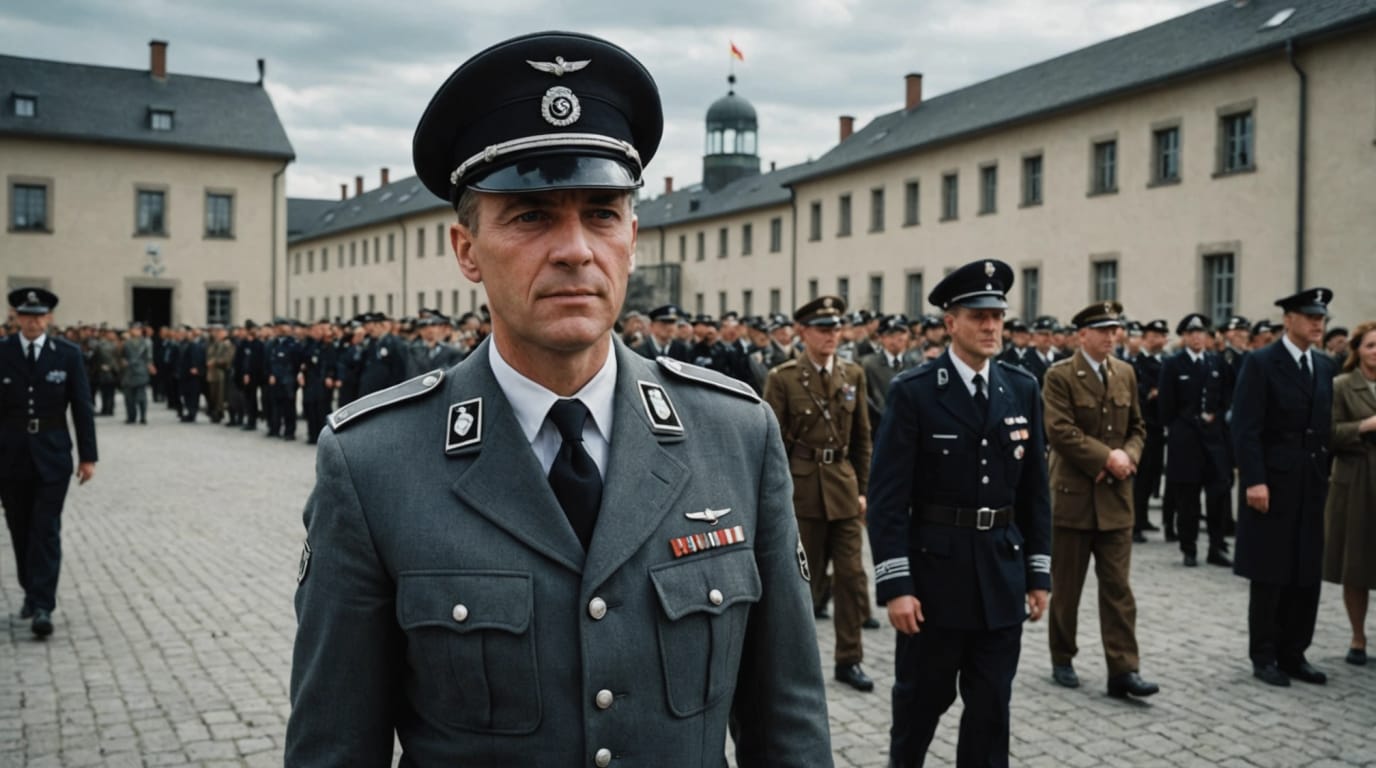
Weimar, Germany – Germany today marks the 80th anniversary of the liberation of the Buchenwald concentration camp, a site of immense suffering and death during the Nazi regime. Commemorations are taking place in Weimar, near the former camp, to remember the more than 56,000 people who perished within its walls. However, the solemn occasion is overshadowed by a controversy surrounding a planned speech by a German-Israeli philosopher, highlighting the ongoing complexities of Holocaust remembrance and contemporary political tensions.
A memorial service was held at the Weimarhalle, with approximately 10 survivors of Buchenwald expected to attend, along with relatives and descendants of those imprisoned there. Former German President Christian Wulff delivered a speech reflecting on the horrors of the camp and the importance of continued vigilance against extremism and intolerance. The Buchenwald and Mittelbau-Dora Memorials Foundation, which organized the event, aimed to provide a space for remembrance and reflection.
Buchenwald's Dark History
Established in 1937, Buchenwald was one of the largest concentration camps on German soil. Over its eight years of operation, more than 250,000 people from across Europe were imprisoned there. Victims included Jews, political prisoners, Roma and Sinti, homosexuals, and prisoners of war. The camp was notorious for its brutal conditions, forced labor, starvation, medical experimentation, and executions.
The prisoners were subjected to inhumane treatment by the SS guards, and many died from exhaustion, disease, and deliberate killings. The camp also had several subcamps, including Ohrdruf, where conditions were equally appalling. As Allied forces advanced into Germany in 1945, Buchenwald became a destination for death marches from other camps further east, further swelling its population and exacerbating the already dire conditions.
Liberation and its Aftermath
On April 11, 1945, Buchenwald was liberated by U.S. troops. The soldiers were met with horrific scenes of emaciated prisoners, piles of corpses, and evidence of the atrocities committed by the Nazis. The liberation of Buchenwald was a pivotal moment, exposing the full extent of the Nazi regime's brutality to the world.
Following the liberation, the U.S. military forced local German civilians to tour the camp and witness the atrocities firsthand, aiming to educate them about the crimes committed in their name. The Buchenwald site was initially used as a displaced persons camp before eventually becoming a memorial site, dedicated to preserving the memory of the victims and educating future generations about the dangers of hatred and intolerance.
Controversy Over Commemoration Speech
In the lead-up to the 80th anniversary, a controversy erupted over the invitation of Omri Boehm, a German-Israeli philosopher and the grandson of a Holocaust survivor, to speak at the commemoration ceremony. Israeli officials objected to Boehm's invitation, citing his past criticisms of the Israeli government and its policies toward Palestinians. They accused Boehm of trivializing the Holocaust and attempting to dilute its historical significance.
The head of the Buchenwald Memorials Foundation, Jens-Christian Wagner, initially defended the invitation, stating that Boehm was chosen "because we can expect him to provide a high level of ethical reflection on the relationship between history and remembrance, in particular on the value of universal human rights and their significance with regard to the Nazi crimes." However, facing increasing pressure, Wagner ultimately withdrew the invitation to avoid overshadowing the event and burdening the survivors with unnecessary conflict.
Impact on Remembrance
The controversy surrounding Boehm's disinvitation has sparked debate about the complexities of Holocaust remembrance and the role of contemporary politics in shaping historical narratives. Some argue that any attempt to link the Holocaust to current political issues risks diminishing its unique horror and undermining its historical significance. Others contend that reflecting on the Holocaust's lessons in the context of contemporary challenges is essential for preventing future atrocities and promoting human rights.
The dispute has also raised questions about the limits of free speech and the responsibility of memorial institutions to balance diverse perspectives while honoring the memory of the victims. Some critics have accused Israeli officials of attempting to silence dissenting voices and exert undue influence over German historical memory. Others have defended their actions, arguing that they have a duty to protect the integrity of Holocaust remembrance and combat any attempts to distort or relativize its significance.
A Continuing Legacy
Despite the controversy, the 80th anniversary of the Buchenwald liberation serves as a crucial reminder of the horrors of the Nazi regime and the importance of continued vigilance against all forms of hatred, intolerance, and extremism. The Buchenwald memorial site remains a vital place of learning and remembrance, attracting visitors from around the world who come to pay their respects to the victims and reflect on the lessons of the past.
As Germany and the world grapple with rising antisemitism, racism, and other forms of discrimination, the memory of Buchenwald serves as a stark warning about the dangers of unchecked hatred and the importance of defending human dignity and universal human rights. The act of remembering the victims of Buchenwald is not just a historical exercise but a moral imperative, urging us to learn from the past and work towards a more just and peaceful future.


