Germany Confronts Intensified Russian Espionage with Dual High-Stakes Trials
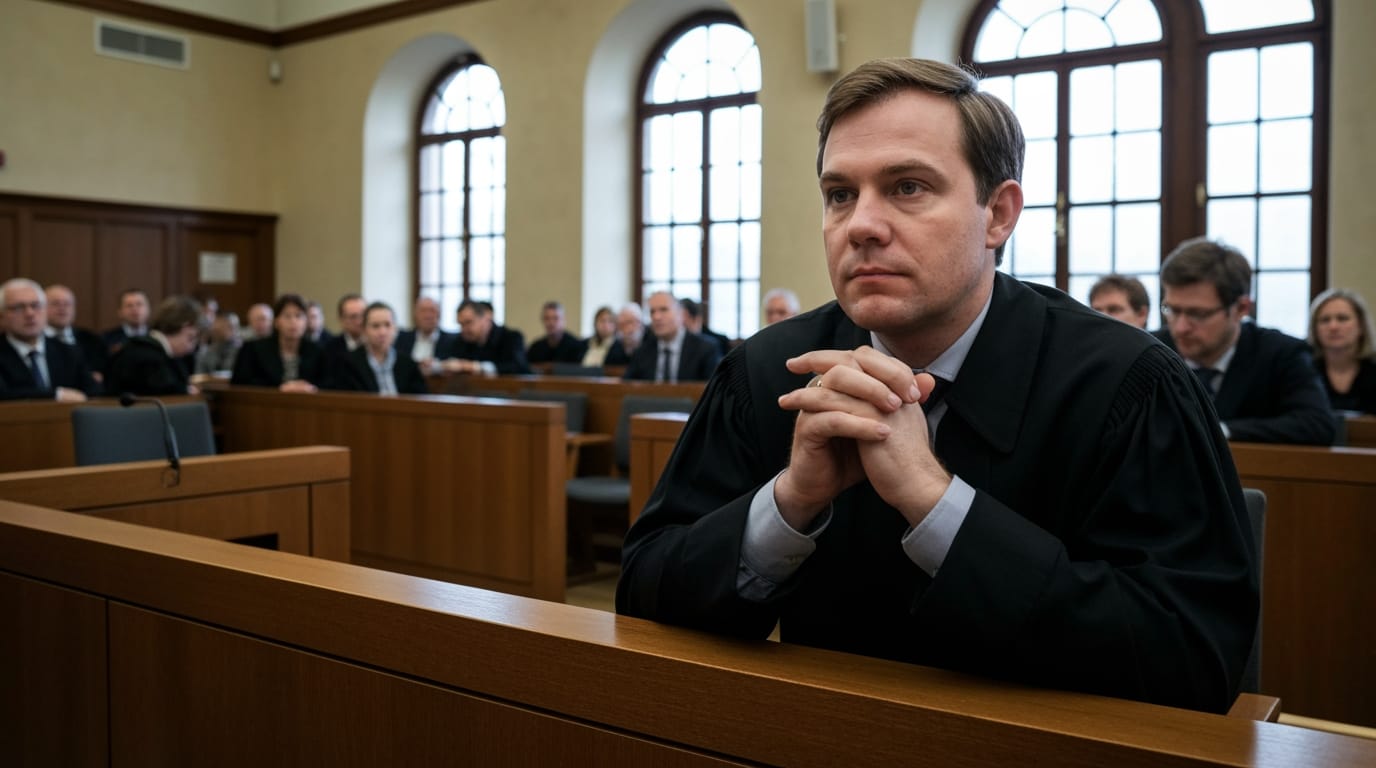
Germany is grappling with a significant surge in suspected Russian espionage and sabotage activities, a development underscored by two separate, high-profile trials currently unfolding within its judicial system. These cases reveal an alleged concerted effort by Moscow to undermine European security and disrupt support for Ukraine, leading to heightened alerts from German intelligence agencies. The proceedings in Munich, which recently concluded with convictions, and the ongoing trial in Frankfurt, involving an alleged assassination plot, paint a stark picture of an escalating shadow war on German soil.
Escalation of a Shadow War
Since Russia's full-scale invasion of Ukraine in February 2022, German counter-intelligence agencies have observed a marked intensification of Russian intelligence operations, describing the current threat level as comparable to, or even exceeding, Cold War-era activities. German security officials, including the heads of the Federal Intelligence Service (BfV), the German intelligence and counterintelligence service (BND), and the Military Counterintelligence Service (MAD), have repeatedly warned of Moscow's aggressive tactics. Martina Rosenberg, president of the MAD, indicated a near doubling of suspicious incidents over the past year, noting Russia's more massive and aggressive approach. The primary targets of these operations are reported to include critical infrastructure, military assets, political institutions, and key businesses, with methods ranging from cyberattacks and disinformation campaigns to covert influence operations and direct sabotage. Germany, as a pivotal NATO logistics hub and a leading supplier of aid to Ukraine, has become a prime target for Moscow's destabilization efforts.
The Munich Sabotage Plot: Convictions in a Bid to Undermine Ukraine Support
In Munich, a trial involving three German-Russian dual nationals, Dieter S., Alexander J., and Alex D., recently culminated in convictions, shedding light on an alleged extensive sabotage plot orchestrated by Russian intelligence. The main defendant, Dieter S., was found guilty and sentenced to six years in prison for planning acts of sabotage and for his past involvement as a paramilitary officer in eastern Ukraine. His two co-defendants received suspended sentences.
Prosecutors charged the trio with spying for the Kremlin and plotting to undermine Germany's military assistance to Ukraine through acts of sabotage. Investigations revealed that Dieter S. allegedly initiated contact with a Russian intelligence agent in October 2023, discussing potential sabotage operations within Germany. He is accused of having photographed military installations, railway tracks, a loading station, and a tool manufacturing company, gathering intelligence for prospective explosive or arson attacks. Among the identified targets were U.S. military bases in Bavaria, notably the Grafenwöhr training area where Ukrainian soldiers receive instruction, as well as facilities involved in arms manufacturing.
Evidence presented during the trial indicated Dieter S.'s alleged readiness to execute these attacks. Furthermore, he faced charges related to his alleged membership in a foreign terrorist organization, having reportedly fought for a pro-Russian separatist group in the self-proclaimed Donetsk People's Republic in eastern Ukraine between 2014 and 2016. Alexander J. and Alex D. were accused of assisting Dieter S. in these activities from March 2024. While they reportedly admitted to some of the alleged offenses, they denied knowing they were participating in espionage for a foreign government, a claim refuted by the Federal Prosecutor's Office. Dieter S. himself denied all charges. The German Foreign Ministry had previously summoned the Russian ambassador following the arrests in April 2024, signaling the diplomatic gravity of the accusations.
Frankfurt Under Scrutiny: An Alleged Assassination Plot
Concurrently, a separate trial commenced today in Frankfurt, focusing on an alleged Russian assassination plot against a former Ukrainian soldier. Three men—Vardges I., an Armenian national identified as the alleged ringleader, Robert A., a Ukrainian, and Arman S., a Russian—are accused of tailing the former soldier on behalf of Russian intelligence services.
Prosecutors allege that the spying operation was intended to pave the way for further intelligence missions in Germany, potentially including the killing of the target. The motivation for this plot, according to prosecutors, may stem from the fact that the Ukrainian soldier was accused by Russia of participating in war crimes against Russian soldiers. The alleged scheme involved luring the former soldier to a Frankfurt café last year. However, the target became suspicious and contacted German police, leading to a sting operation. When the soldier failed to appear at the surveilled café, the three suspects departed but were subsequently intercepted and arrested by police commandos. During their apprehension, law enforcement discovered cash, several passports—both genuine and forged—and GPS tracking devices in their possession, which are now key pieces of evidence in the ongoing proceedings. All three defendants in the Frankfurt case deny wrongdoing, with some reports indicating they claimed their discussions about intelligence operations were merely "joking."
Germany's Resolute Response and Broader Implications
These trials underscore Germany's position on the front lines of an evolving geopolitical landscape, where conventional warfare in Ukraine is mirrored by a covert struggle across Europe. German Interior Minister Nancy Faeser previously condemned the suspected espionage, emphasizing Germany's commitment to supporting Ukraine despite intimidation. The German government has repeatedly articulated its determination to counter these threats, viewing Moscow's actions as attempts to destabilize Europe and divide Western alliances.
Beyond these specific cases, German authorities have warned about agents allegedly recruited via social media to conduct reconnaissance, photographing key industrial and military sites. Other incidents, such as the arrest of three Ukrainians suspected of planning parcel bomb attacks for Russia and a Bundeswehr employee convicted of passing military secrets to Russia, further highlight the pervasive nature of these threats. The increased vigilance reflects a broader recognition among European governments that Russia's intensified activities aim to destabilize societies and undermine Western unity.
Conclusion
The dual trials in Munich and Frankfurt serve as potent reminders of the complex and multifaceted nature of the challenges facing Germany and its European allies. From alleged sabotage of critical infrastructure to potential assassination plots, the scope of Russian intelligence activities appears broad and aggressive. As Germany continues to provide crucial support to Ukraine, its commitment to counter-espionage and national security remains unwavering. The outcomes of these trials, and the ongoing efforts of German law enforcement and intelligence agencies, will be vital in shaping the response to a security environment increasingly defined by hybrid threats and covert hostilities. The heightened state of alert and the robust judicial responses signal Germany's determination to defend its sovereignty and protect its role in a united European front against external aggression.


