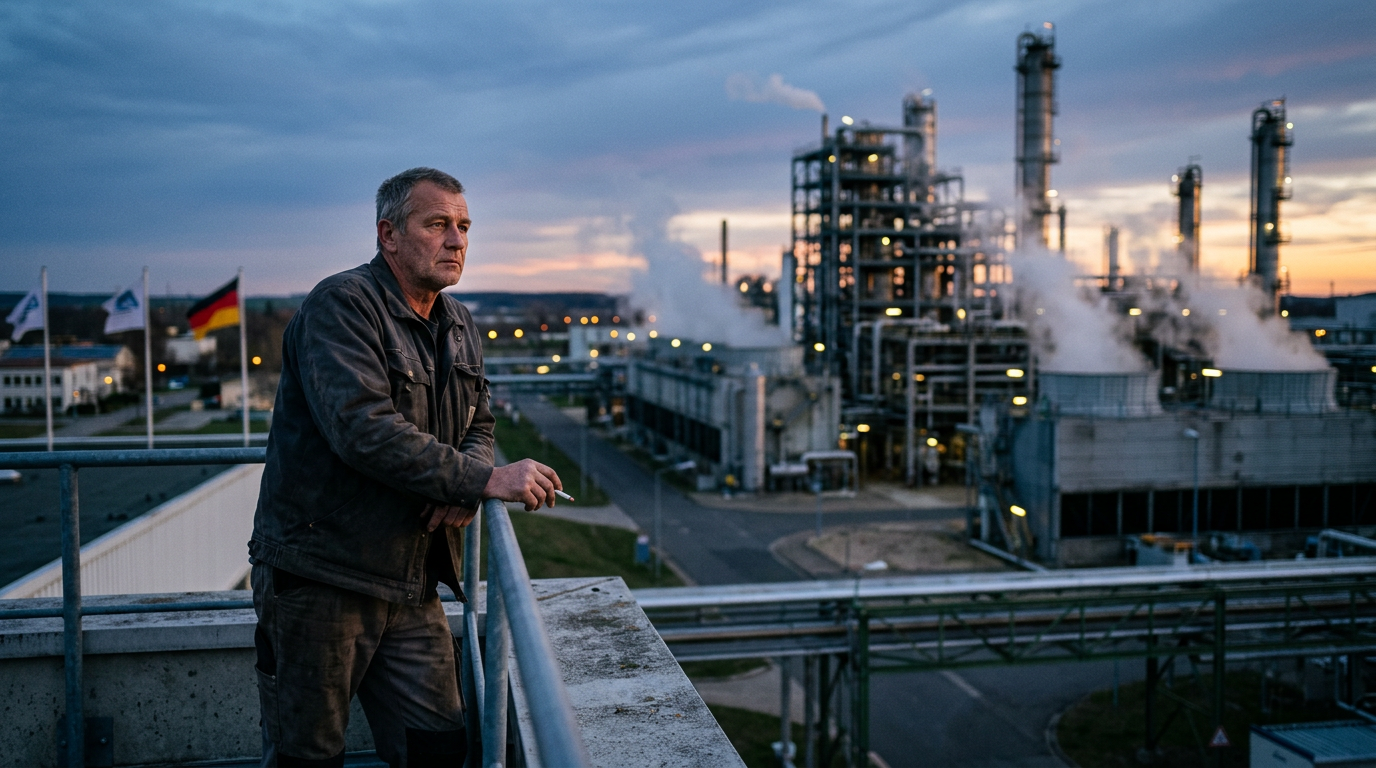
Germany Expels Russian Diplomat Amid Heightened Espionage Concerns Following Berlin Arrest
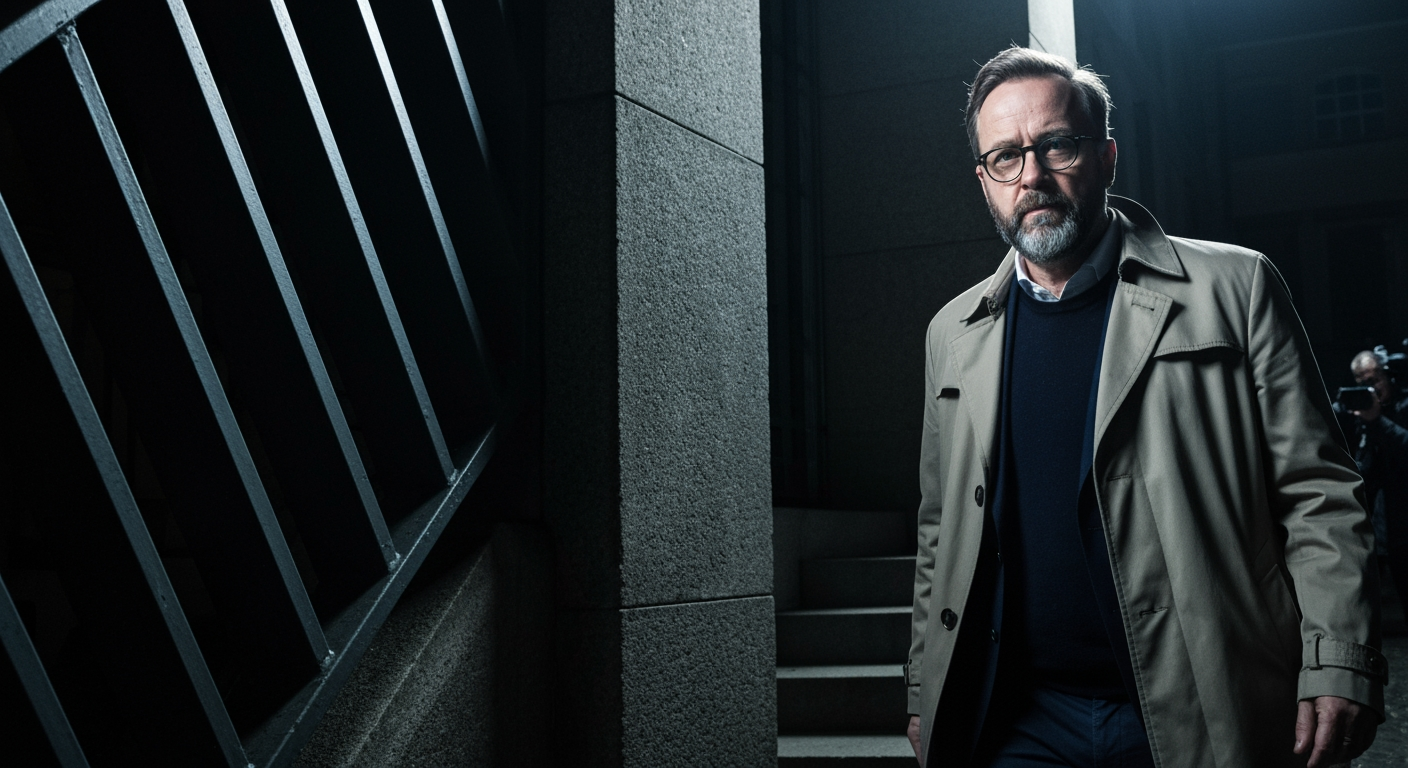
Berlin, Germany – German authorities have expelled a Russian diplomat from the country and arrested a German-Ukrainian businesswoman on suspicion of espionage, signaling a further deterioration in already strained relations between Berlin and Moscow. The arrest, which occurred Wednesday in Berlin, and the subsequent diplomatic action underscore Germany's escalating concern over what it describes as a pervasive and intensifying campaign of Russian intelligence operations aimed at undermining its security and critical support for Ukraine.
Diplomatic Fallout from a High-Stakes Arrest
The recent development centers on the arrest of a woman identified as Ilona W., a German-Ukrainian dual citizen. Federal prosecutors allege that Ilona W. has been in contact with a Russian intelligence service operative at Moscow's embassy in Berlin since at least November 2023. Her alleged activities involved gathering sensitive information related to the ongoing conflict in Ukraine, specifically focusing on military aid provisions, drone testing facilities, and the broader arms industry. Furthermore, she is accused of facilitating her Russian handler's attendance at political events in Berlin under a false identity, enabling him to cultivate contacts for intelligence purposes.
In response to these allegations, the German Foreign Ministry summoned Russia's ambassador on Thursday and declared the suspected handler, a diplomat identified in part as Andrei M., persona non grata, ordering his departure from Germany within 72 hours. Andrei M. is reportedly an officer with Russia's GRU military intelligence service, operating under diplomatic cover as a deputy military attaché. The German government emphasized its firm stance, stating it "will not tolerate espionage in Germany — especially not under the guise of diplomatic status." Moscow has predictably denounced the allegations as a "ridiculous, hastily concocted provocation" and vowed a reciprocal response. The investigation also extends to two former German Defense Ministry employees, including a recently retired officer, who are suspected of having disclosed information to Ilona W.
Germany as a Primary Target in an Expanding Hybrid War
The arrest and expulsion are not isolated incidents but rather the latest in a series of high-profile cases highlighting Russia's increasingly aggressive intelligence posture in Germany. German intelligence officials, including Thomas Haldenwang, head of the Federal Office for the Protection of the Constitution (BfV), have repeatedly warned that Russian espionage activities have reached levels comparable to, or even exceeding, those seen during the Cold War. Germany, being Europe's largest economy and a critical logistics hub for NATO, has become a prime target for Russian intelligence operations.
Russian intelligence services employ a wide array of tactics, including sophisticated cyberattacks, acts of sabotage, widespread disinformation campaigns, covert influence operations, and traditional human intelligence gathering. Their objectives encompass disrupting critical infrastructure—ranging from digital networks to military facilities—and influencing political discourse, business, and scientific sectors. After the mass expulsion of dozens of Russian diplomats suspected of espionage from Germany in March 2023, Moscow has reportedly adapted its strategy, increasingly deploying "illegals" (agents operating under deep cover with fake identities) and actively recruiting among German citizens, including those of Russian descent. The BfV has specifically noted efforts to recruit individuals with access to sensitive information, sometimes through methods like "honey traps" or financial incentives.
A Pattern of Persistent Espionage
The current case follows a discernible pattern of Russian intelligence efforts within Germany. In April 2024, German authorities arrested two Russian-German suspects in Bayreuth accused of plotting sabotage attacks on military infrastructure, defense facilities, and even U.S. military bases in Germany. These alleged plots were intended to obstruct German aid to Ukraine. Another significant incident in 2023 involved a Bundeswehr employee who reportedly passed secret military information to Russia, claiming he sought to prevent the potential use of nuclear weapons.
One of the most concerning cases involved Carsten L., a former employee of Germany's foreign intelligence service (BND), who was arrested in December 2022 for allegedly providing highly classified documents from the BND headquarters to Russia's Federal Security Service (FSB) in exchange for a substantial sum of money. More recently, a trial commenced in December 2025 involving three men accused of spying for a Russian intelligence service, with prosecutors suggesting the plot may have included an assassination attempt on a former fighter in Ukraine. These incidents collectively paint a stark picture of a continuous and multifaceted espionage threat.
Germany's Resolute Counter-Intelligence Efforts
In the face of these persistent threats, German counter-intelligence agencies have significantly ramped up their efforts. Interior Minister Nancy Faeser announced a "massive strengthening of counterintelligence" following the arrests in April 2024. The German government's proactive response, including the swift arrest of alleged spies and the expulsion of diplomatic personnel, reflects a clear commitment to safeguarding national security and upholding democratic principles.
The intelligence community continuously monitors various methods of Russian interference, from drone surveillance over critical NATO supply lines and military training grounds to disinformation campaigns designed to sow discord within German society. German officials emphasize that the Kremlin views the West, and particularly Germany, as an adversary due to its strong political and military support for Ukraine. This perception fuels an aggressive intelligence posture, necessitating ongoing vigilance and robust counter-intelligence measures to protect Germany's strategic interests and its unwavering commitment to its allies and Ukraine.
The latest espionage case and the resulting diplomatic tensions serve as a potent reminder of the ongoing geopolitical friction and the hidden battles being fought on European soil. Germany remains steadfast in its resolve to expose and counter foreign intelligence activities that threaten its sovereignty and stability.
Related Articles


Mounting Frustration Grips Russia as Economic Hardship and War's Toll Deepen
Moscow, Russia – A palpable shift in public sentiment is emerging across Russia, with growing frustration among citizens fueled by a confluence of economic pressures, increasing internet restrictions, and the undeniable...

Germany's Strategic Calculus: Ukraine Aid is an Investment in European Security, Not Charity
Berlin – The ongoing provision of substantial aid to Ukraine by Germany and its allies is increasingly being framed not as an act of altruism, but as a crucial investment in European security and stability. This...